Big Prediction: Treasury Secretary Scott Bessent Says Better Days Are Ahead For The Economy
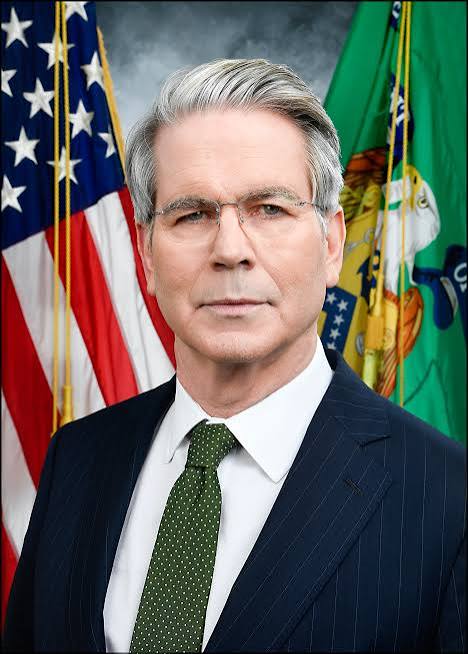
The outlook for the U.S. economy remains one of the biggest topics in politics and finance. With inflation, interest rates, trade policy, and global conflicts influencing markets, Americans continue to ask one simple question: Will the economy improve?
According to Treasury Secretary Scott Bessent, the answer is yes.
Speaking during multiple public appearances in June 2026, Bessent expressed confidence that the United States is positioned for stronger economic growth. He argued that the Trump administration’s policies—including tax reform, domestic manufacturing initiatives, trade reciprocity, supply chain resilience, and technological innovation—will create a stronger foundation for long-term prosperity.
His optimistic outlook comes despite ongoing debates surrounding tariffs, inflation, interest rates, and global uncertainty.
This article examines what Bessent said, why he believes better days are ahead, what economic indicators support his prediction, and what experts say Americans should watch in the coming months.
Scott Bessent Predicts a Stronger Economy
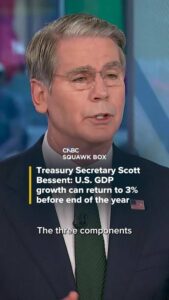
During remarks at the Economic Club of New York, Treasury Secretary Scott Bessent outlined what he described as a new vision for American economic policy.
Rather than focusing solely on globalization, Bessent emphasized rebuilding domestic manufacturing, strengthening supply chains, protecting strategic industries, and encouraging private-sector investment. He argued these changes will produce more resilient long-term economic growth.
According to Bessent, America has an opportunity to enter a period of:
- Higher productivity
- Stable economic expansion
- Stronger domestic investment
- Better-paying jobs
- Increased industrial competitiveness
His comments suggest that the administration believes recent policy changes will begin producing measurable economic benefits over time.
Why Bessent Believes Better Days Are Ahead
Bessent’s optimism rests on several key arguments.
1. Domestic Manufacturing
One of the administration’s priorities is expanding manufacturing inside the United States.
Officials argue that producing more essential goods domestically reduces dependence on foreign suppliers while creating higher-paying jobs.
Bessent has repeatedly stated that rebuilding industrial capacity strengthens both economic growth and national security.
2. Stronger Supply Chains
The COVID-19 pandemic exposed weaknesses in global supply chains.
According to Bessent, future economic resilience depends on ensuring critical products—including medicines, technology components, and strategic materials—are not concentrated in countries that could disrupt supply during crises.
He argues diversified and domestic supply chains will make future economic shocks less severe.
3. Artificial Intelligence
Another reason for optimism involves advances in artificial intelligence.
Bessent suggested AI could significantly increase worker productivity while helping businesses expand without creating excessive inflationary pressure.
If productivity rises faster than labor costs, companies may produce more goods and services while keeping prices relatively stable.
4. Lower Energy Costs
Officials have also pointed to the possibility that easing geopolitical tensions could reduce energy prices.
Lower oil prices generally translate into:
- Reduced transportation costs
- Lower manufacturing expenses
- Cheaper consumer goods
- Lower inflation
Bessent indicated that developments affecting global energy markets could contribute to stronger economic performance.
A New Economic Philosophy
Perhaps the biggest takeaway from Bessent’s recent speeches is his belief that America is shifting away from decades of traditional globalization.
He argued that previous policies prioritized inexpensive imports while allowing critical industries to move overseas.
Instead, the administration now emphasizes:
- Economic security
- Industrial production
- Trade reciprocity
- Domestic investment
- National resilience
Bessent described this as a long-term economic strategy rather than a short-term political initiative.
What About Inflation?
Inflation remains one of the biggest concerns for consumers.
Although inflation has moderated from previous highs, prices remain elevated in many sectors.
Bessent has expressed confidence that inflation pressures can continue easing while economic growth improves, particularly if productivity increases and energy prices stabilize.
However, many economists caution that inflation remains difficult to predict because it depends on:
- Energy prices
- Labor markets
- Consumer demand
- Federal Reserve decisions
- Global events
Interest Rates Remain a Major Factor
Interest rates continue influencing:
- Mortgage costs
- Auto loans
- Business investment
- Consumer spending
Bessent recently praised changes in Federal Reserve communication, arguing policymakers should remain flexible rather than relying heavily on long-term interest-rate projections.
He suggested flexible decision-making allows policymakers to respond more effectively to changing economic conditions.
How Tariffs Fit Into the Plan
Trade policy remains central to the administration’s economic agenda.
Supporters argue tariffs encourage:
- Domestic manufacturing
- Fairer international trade
- Reduced dependence on foreign producers
Critics argue tariffs may increase prices for consumers and businesses.
Bessent maintains that strategic trade policies strengthen America’s long-term economic position even if adjustments create short-term challenges.
What Businesses Are Watching
Businesses are closely monitoring several factors:
Consumer Spending
Healthy consumer spending supports:
- Retail sales
- Manufacturing
- Employment
- Small businesses
If household confidence improves, spending could increase.
Corporate Investment
Businesses invest when they expect future demand.
Increased investment often leads to:
- New factories
- Equipment purchases
- Hiring
- Innovation
Administration officials believe current policies will encourage additional private investment.
Labor Market
Employment remains one of the strongest indicators of economic health.
Businesses continue watching:
- Hiring trends
- Wage growth
- Labor participation
- Productivity
A stable labor market generally supports broader economic expansion.
Challenges That Could Slow Growth
Despite Bessent’s optimism, risks remain.
Global Conflicts
International instability can affect:
- Oil prices
- Shipping
- Financial markets
- Investor confidence
Inflation Risks
Unexpected increases in inflation could delay interest-rate reductions or even require tighter monetary policy.
Supply Chain Disruptions
Natural disasters, geopolitical tensions, or transportation issues could again disrupt global commerce.
Federal Reserve Policy
Interest-rate decisions remain one of the largest variables affecting economic growth.
Higher borrowing costs typically slow economic activity.
What Economists Say
Many economists agree that productivity improvements and technological innovation can support stronger growth.
However, opinions differ on:
- The long-term impact of tariffs
- Inflation expectations
- Interest-rate policy
- Government spending
- Global trade
While some analysts share Bessent’s optimism, others believe the economy still faces significant uncertainty. Recent market commentary reflects ongoing debate over how inflation, trade policy, and Federal Reserve actions will shape growth in the coming year.
What This Means for American Families
For households, stronger economic growth could eventually lead to:
- Better employment opportunities
- Higher wages
- More business investment
- Increased retirement account values
- Greater consumer confidence
At the same time, many families continue monitoring everyday expenses such as groceries, housing, healthcare, and fuel. Improvements in overall economic indicators may take time to translate into lower household costs.
The Bottom Line
Treasury Secretary Scott Bessent has offered one of the administration’s clearest expressions of confidence in the U.S. economy, arguing that better days lie ahead.
His outlook is based on expanding domestic manufacturing, strengthening supply chains, encouraging investment, embracing technological innovation, and pursuing a more strategic trade policy.
Whether that optimism proves accurate will depend on several factors, including inflation, interest rates, consumer spending, business investment, and global developments. As economic data continues to emerge throughout the year, investors, businesses, and families alike will be watching closely to see whether the predicted improvements materialize.
Frequently Asked Questions (FAQs)
What did Scott Bessent say about the economy?
Scott Bessent said he believes better days are ahead for the U.S. economy and argued that current policies will support stronger long-term growth.
Why is Scott Bessent optimistic?
He points to domestic manufacturing, stronger supply chains, technological innovation, and long-term investment as reasons for optimism.
What role does artificial intelligence play?
Bessent believes AI can increase productivity while helping the economy grow without creating excessive inflation.
Could inflation still remain a problem?
Yes. Although inflation has eased from earlier peaks, future price trends remain uncertain and depend on multiple economic factors.
What should Americans watch next?
Key indicators include inflation reports, employment data, GDP growth, Federal Reserve decisions, business investment, and consumer spending.
How useful was this post?
Click on a star to rate it!
Average rating 0 / 5. Vote count: 0
No votes so far! Be the first to rate this post.
About the Author

usa5911.com
Administrator
Hi, I’m Gurdeep Singh, a professional content writer from India with over 3 years of experience in the field. I specialize in covering U.S. politics, delivering timely and engaging content tailored specifically for an American audience. Along with my dedicated team, we track and report on all the latest political trends, news, and in-depth analysis shaping the United States today. Our goal is to provide clear, factual, and compelling content that keeps readers informed and engaged with the ever-changing political landscape.