Reza Pahlavi Move: Iran Opposition Push, Regime Pressure, Global Attention
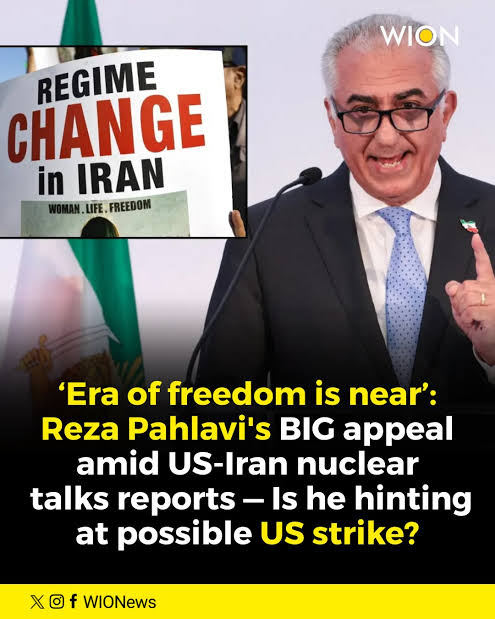
The Reza Pahlavi move has captured global attention, signaling a major turning point in Iran’s political landscape. As protests intensify and international tensions rise, the actions of Reza Pahlavi have become central to debates about regime change, democracy, and geopolitical stability.
Recent statements and diplomatic outreach efforts have increased pressure on Iran’s leadership. In a widely reported appearance in Berlin, Pahlavi urged Western nations to support Iranians seeking political change, criticizing global powers for failing to respond decisively to violent crackdowns.
This growing movement, combined with domestic unrest and international tensions, has transformed Iran into one of the most closely watched geopolitical flashpoints in the world.
Background: Who Is Reza Pahlavi?
To understand the significance of the Reza Pahlavi move, it is essential to understand his background and role in Iranian politics.
The Legacy of the Pahlavi Name
Reza Pahlavi is the eldest son of Mohammad Reza Shah Pahlavi, Iran’s last monarch before the Iranian Revolution.
After the revolution, the monarchy was abolished and replaced by an Islamic Republic. Pahlavi has lived in exile since then, mainly in Western countries, where he has built a reputation as a vocal critic of Iran’s current leadership.
Over the decades, he has consistently advocated:
- Democratic elections
- Secular governance
- Human rights protections
- National unity among opposition groups
These positions have made him one of the most recognizable figures in Iran’s opposition movement.
Rise as a Modern Opposition Figure
In recent years, Pahlavi has transformed from a symbolic figure into an active political organizer. He has proposed transitional plans for Iran, including democratic reforms and constitutional restructuring.
Some opposition groups have even supported the idea of a temporary government led by Pahlavi if the current regime collapses.
The Latest Reza Pahlavi Move
Calls for International Support
One of the most significant developments occurred when Pahlavi publicly appealed to Western governments to increase pressure on Iran’s ruling establishment.
During his Berlin appearance, he warned that global inaction allowed violent repression to continue. He also predicted that political change in Iran was inevitable and urged democratic nations to stand with Iranian citizens.
This move marked a shift from internal messaging to global diplomacy.
Strategic Messaging to Iranian Forces
Pahlavi has also called on Iran’s military and security forces to support citizens rather than enforce government crackdowns.
Such messaging aims to weaken internal loyalty structures and encourage defections—an approach historically seen in major regime transitions worldwide.
Iran’s Growing Opposition Movement
Nationwide Protests and Civil Resistance
Iran has witnessed waves of demonstrations in recent years, fueled by economic hardship, political repression, and social restrictions.
Many protesters have expressed support for opposition figures like Pahlavi, viewing him as a symbol of national unity.
Protests have spread across:
- Major cities
- Industrial zones
- University campuses
- Rural communities
These demonstrations reflect widespread dissatisfaction with current governance.
Global Solidarity Movements
Support for Iranian protesters has also grown abroad.
Large rallies organized by diaspora communities have taken place in cities across Europe and North America. Some events have drawn hundreds of thousands of participants, highlighting global concern about Iran’s political future.
Regime Pressure Intensifies
Internal Struggles Within Leadership
Analysts report that powerful institutions such as the Islamic Revolutionary Guard Corps have strengthened control over key government structures.
This consolidation has sidelined moderate voices and intensified tensions between factions inside the regime.
Such developments suggest:
- Growing instability
- Increased authoritarian measures
- Limited political flexibility
Internet Restrictions and Media Controls
Authorities have imposed widespread communication restrictions during periods of unrest.
Internet shutdowns have been used to:
- Limit protest coordination
- Restrict information sharing
- Control narratives
These measures demonstrate the government’s determination to maintain control under pressure.
Global Attention and Geopolitical Stakes
Western Governments Watch Closely
The Reza Pahlavi move has drawn interest from major world powers, including the United States and Germany.
Diplomatic discussions have explored:
- Sanctions
- Human rights policies
- Support for opposition voices
However, reactions have been mixed. Some governments remain cautious due to fears of regional instability.
Rising Military Tensions
At the same time, broader geopolitical tensions involving Iran have escalated.
Maritime confrontations and military posturing have increased pressure on international shipping routes and regional stability.
These developments highlight the global implications of Iran’s internal political crisis.
The Role of International Diplomacy
Meetings and Strategic Engagements
Reports suggest that diplomatic channels between international officials and opposition figures have been explored.
Such engagement reflects growing recognition that Iran’s political future may depend on coordinated international efforts.
European Response
European governments have shown varying levels of support.
While some policymakers have expressed concern about human rights violations, others remain hesitant to publicly endorse opposition movements.
This cautious approach reflects:
- Energy security concerns
- Regional stability risks
- Diplomatic complexities
Challenges Facing the Opposition
Lack of Unified Leadership
Despite his prominence, Pahlavi faces competition from other opposition figures.
Political fragmentation remains a major obstacle to forming a unified alternative government.
Some analysts argue that unity—not popularity—will determine success.
Questions About Governance Readiness
Another challenge involves preparing for governance after regime change.
Experts emphasize the need for:
- Administrative frameworks
- Economic recovery plans
- Security stabilization strategies
Without these, transitions could become chaotic.
Vision for Iran’s Future
Plans for Democratic Transition
Pahlavi has outlined proposals aimed at building a democratic Iran.
Key components include:
- Free national elections
- Separation of religion and state
- Independent judiciary
- Equal rights protections
These reforms aim to create a stable political system that aligns with international standards.
Economic Reconstruction Goals
Economic recovery is another central priority.
Sanctions and domestic challenges have severely impacted Iran’s economy.
Future reforms may focus on:
- Foreign investment
- Infrastructure development
- Energy sector modernization
Such initiatives could help rebuild public confidence.
Global Reaction to the Reza Pahlavi Move
Support from Advocacy Groups
Human rights organizations have closely monitored events in Iran.
They have called for:
- Investigations into alleged abuses
- Release of political prisoners
- International accountability
These demands reflect growing global concern.
Criticism and Skepticism
Not all responses have been positive.
Some critics question whether Pahlavi represents the diverse political interests within Iran.
Others worry about:
- External interference
- Potential instability
- Long-term political uncertainty
These debates remain ongoing.
Media Coverage and Public Perception
Increased Global Reporting
International media coverage has expanded significantly as tensions rise.
Reports have focused on:
- Protest developments
- Opposition messaging
- Government responses
The visibility of these events has helped shape public opinion worldwide.
Symbolism and Public Messaging
Visual imagery, speeches, and social media campaigns have played a key role in shaping narratives.
Modern opposition movements increasingly rely on digital communication to mobilize supporters and influence global audiences.
Economic Implications of Political Change
Oil Markets and Global Trade
Iran plays a major role in global energy markets.
Political instability has triggered:
- Oil price volatility
- Supply chain concerns
- Investment uncertainty
These economic effects extend far beyond Iran’s borders.
Regional Economic Impact
Neighboring countries closely monitor developments.
Changes in Iran’s leadership could reshape:
- Trade agreements
- Energy exports
- Regional alliances
What Happens Next?
Possible Scenarios
Several potential outcomes remain under discussion:
Scenario 1: Gradual Reform
Political pressure forces moderate reforms without regime collapse.
Scenario 2: Rapid Transition
Opposition movements gain momentum, leading to significant leadership change.
Scenario 3: Continued Conflict
Internal tensions escalate, prolonging instability.
Each scenario carries significant global implications.
Why the Reza Pahlavi Move Matters Globally
The importance of the Reza Pahlavi move extends beyond Iran’s borders.
Key reasons include:
- Influence on global energy markets
- Impact on regional security
- Implications for democratic movements worldwide
As geopolitical tensions intensify, the world watches closely.
Future Outlook: A Nation at a Crossroads
Iran’s political trajectory remains uncertain.
However, one fact is clear: opposition momentum and international scrutiny are reshaping the conversation about the country’s future.
Whether change comes quickly or gradually, the Reza Pahlavi move represents a pivotal moment in modern Iranian history.
FAQs: Reza Pahlavi Move and Iran Opposition
1. Who is Reza Pahlavi?
Reza Pahlavi is the son of Iran’s last Shah and a prominent opposition leader advocating democratic reforms and regime change.
2. What is the recent Reza Pahlavi move?
He has called on Western nations to support Iranian protesters and increase pressure on the current regime.
3. Why is Iran facing political unrest?
Unrest stems from economic challenges, political repression, and public dissatisfaction with governance.
4. Does Reza Pahlavi support monarchy restoration?
He has stated that the form of government should be decided by Iranian citizens through democratic voting.
5. How are global powers reacting?
Responses vary. Some governments support increased pressure, while others remain cautious due to geopolitical risks.
6. Could Iran see regime change soon?
While possible, analysts emphasize that political transitions depend on unity among opposition groups and sustained public pressure.
7. Why is this situation important globally?
Iran’s political stability affects global energy markets, international diplomacy, and regional security.
8. What role do protests play in this movement?
Protests demonstrate public dissatisfaction and increase pressure on authorities to implement reforms.
9. Has Reza Pahlavi gained international support?
He has engaged with global leaders and advocacy groups, though support levels vary across countries.
10. What is the long-term outlook for Iran?
The future depends on political developments, opposition unity, and international responses.
How useful was this post?
Click on a star to rate it!
Average rating 0 / 5. Vote count: 0
No votes so far! Be the first to rate this post.
About the Author

usa5911.com
Administrator
Hi, I’m Gurdeep Singh, a professional content writer from India with over 3 years of experience in the field. I specialize in covering U.S. politics, delivering timely and engaging content tailored specifically for an American audience. Along with my dedicated team, we track and report on all the latest political trends, news, and in-depth analysis shaping the United States today. Our goal is to provide clear, factual, and compelling content that keeps readers informed and engaged with the ever-changing political landscape.