Raghav Chadha Move: Parliament Clash, Policy Push, India Reacts
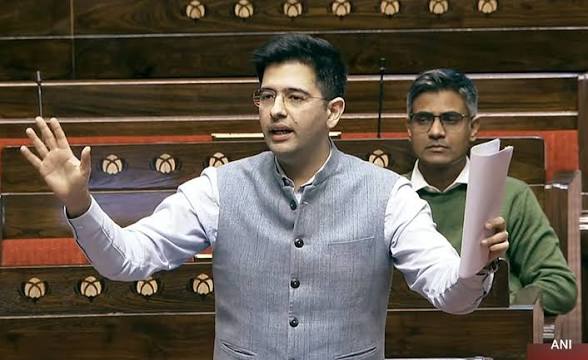
The recent political shift involving Raghav Chadha has triggered intense debates across India’s political landscape. His move—marked by party tensions, parliamentary clashes, and policy advocacy—has quickly become one of the most talked-about developments in national politics.
What began as internal friction within the Aam Aadmi Party soon escalated into a full-blown political showdown. The situation intensified when Chadha formally joined the Bharatiya Janata Party along with other lawmakers, shifting the balance of power in Parliament and sparking strong reactions nationwide.
This article explores the full story behind the Raghav Chadha move, including the Parliament clash, policy agenda, political reactions, and what it means for India’s future.
The Background Behind the Raghav Chadha Move
To understand the significance of the recent events, it is important to examine Chadha’s political journey. Born in 1988, Chadha emerged as one of the youngest and most visible leaders in Indian politics. He served as a Member of Parliament in the Rajya Sabha representing Punjab after being elected in 2022.
Initially, he rose to prominence within the Aam Aadmi Party, gaining recognition for his policy-driven speeches and media presence. However, tensions began to surface after he was removed as deputy leader of his party in the Rajya Sabha in April 2026, a move that shocked many observers.
This removal became the turning point that led to open disagreements with party leadership, particularly with Arvind Kejriwal. The rift soon spilled into public debates, with accusations and counter-accusations dominating headlines.
Parliament Clash: The Moment That Sparked National Attention
The Parliament clash involving Chadha became a defining moment in this political episode. His removal from a key leadership role led to heated exchanges both inside and outside parliamentary sessions.
Political insiders reported that debates intensified over representation issues, regional concerns, and policy priorities affecting Punjab and national governance. Chadha defended his parliamentary record, highlighting multiple interventions on issues affecting Punjab, including infrastructure and economic concerns.
Meanwhile, rival leaders accused him of raising minor issues rather than addressing major national concerns. This disagreement deepened divisions within his former party and added fuel to the public controversy.
These clashes transformed what could have been an internal dispute into a national political spectacle.
Policy Push: The Issues Driving the Debate
Beyond the political drama, Chadha’s policy positions have played a major role in shaping public perception. His policy push focused on regional development, governance reforms, and economic accountability.
Key issues raised during debates included:
1. Regional Development Concerns
Chadha emphasized the importance of equitable development across states, particularly Punjab. His speeches frequently addressed funding gaps and infrastructure needs, which he argued were critical for long-term growth.
2. Economic Accountability
Another major focus involved financial transparency and governance reforms. He argued that policy implementation must be backed by measurable outcomes, ensuring accountability at all levels.
3. Parliamentary Representation
Chadha consistently highlighted the role of Parliament in representing local concerns at the national level. He argued that MPs must actively raise regional issues to maintain democratic balance.
These policy pushes positioned him as a reform-focused leader, appealing to voters interested in administrative accountability.
The Dramatic Shift: Joining the BJP
The most significant moment in the Raghav Chadha move came when he officially joined the Bharatiya Janata Party along with fellow Rajya Sabha members.
This decision marked a historic turning point, reshaping alliances and political calculations. The move strengthened the BJP’s presence in Parliament while weakening the AAP’s standing.
Chadha described his decision as a response to being sidelined, stating that he felt “silenced, not defeated.” The statement highlighted the emotional and political intensity of the situation.
Political analysts believe this shift could influence legislative strategies and electoral campaigns in upcoming elections.
India Reacts: Political Parties and Public Response
The reaction across India was swift and intense.
AAP’s Reaction
Leaders within the Aam Aadmi Party accused Chadha of betrayal and alleged that the move was strategically designed to weaken their parliamentary strength.
Some party officials described the decision as “backstabbing,” claiming it was orchestrated to destabilize party unity.
BJP’s Response
The BJP welcomed Chadha’s entry, portraying it as proof of their expanding political reach and leadership strength.
Party spokespersons emphasized that his experience and policy expertise would contribute positively to national governance.
Public Reaction
Public opinion remains divided. Supporters view the move as a bold step toward broader national engagement, while critics see it as a politically motivated shift driven by personal ambitions.
Social media platforms witnessed intense debates, reflecting the polarized views among citizens.
Impact on Parliament Dynamics
The Raghav Chadha move has altered parliamentary dynamics in several ways.
Increased Political Competition
The shift in party alignment has intensified competition within parliamentary debates. Rival parties are now recalibrating strategies to maintain influence.
Strengthening Legislative Numbers
By joining BJP along with other MPs, Chadha contributed to strengthening the party’s numbers in the Rajya Sabha, potentially influencing future legislative outcomes.
Policy Negotiations
Coalition politics relies heavily on negotiation. Chadha’s transition introduces new variables into policy discussions, affecting consensus-building processes.
The Role of Media and Public Narrative
Media coverage has played a central role in shaping public understanding of the Raghav Chadha move.
Television debates, digital platforms, and news portals have extensively covered:
- Internal party conflicts
- Parliamentary speeches
- Policy disagreements
- Public statements
The narrative has evolved from a leadership dispute into a broader national conversation about political accountability and transparency.
Experts suggest that the way media frames political events significantly influences voter perceptions and long-term political outcomes.
Political Fallout Within AAP
The fallout within the Aam Aadmi Party continues to unfold.
Chadha’s departure has reportedly weakened internal cohesion and created uncertainty about leadership stability. Analysts believe the exit could affect the party’s credibility and grassroots support, particularly in regions where he played a strategic role.
Internal debates about leadership style and decision-making processes have intensified, signaling deeper structural challenges within the party.
Policy Implications for India
Beyond party politics, the Raghav Chadha move has implications for national policymaking.
Governance Reforms
The policy debates triggered by this episode have highlighted the need for transparent governance systems.
Legislative Agenda
New alignments may accelerate discussions on pending bills and policy proposals, especially those related to economic reforms and regional development.
Future Policy Direction
Observers believe the next parliamentary sessions will focus heavily on reform-driven policies, reflecting the shifting political environment.
Electoral Implications Ahead of Future Elections
Political analysts widely agree that this development could shape upcoming election strategies.
India’s next major electoral cycles will depend heavily on:
- Party alliances
- Leadership credibility
- Policy performance
Changes in parliamentary strength often influence campaign narratives, voter confidence, and electoral outcomes.
The Raghav Chadha move may therefore serve as a key reference point during future campaigns.
The Personal Dimension: Leadership and Public Image
Leadership transitions are rarely just political—they are also personal.
Chadha’s public statements have emphasized resilience and determination, framing his decision as a stand against marginalization.
This narrative has resonated with supporters who view him as a reform-oriented leader willing to challenge internal hierarchies.
Opponents, however, argue that the move reflects opportunism rather than ideology.
This dual perception illustrates the complexity of political branding in modern India.
What Happens Next?
Political observers expect several possible developments:
- Intensified parliamentary debates
- New policy initiatives
- Strategic alliance formation
- Continued public engagement
The coming months are likely to determine whether this move strengthens Chadha’s political standing or triggers further controversy.
Long-Term Outlook: A Defining Moment in Indian Politics
The Raghav Chadha move represents more than a leadership shift—it reflects broader changes in India’s political culture.
Modern politics increasingly values visibility, communication skills, and policy-driven narratives.
Leaders who successfully navigate internal challenges while maintaining public trust often emerge stronger in the long run.
Whether this episode becomes a turning point or a temporary disruption remains to be seen.
FAQs
1. Who is Raghav Chadha?
Raghav Chadha is an Indian politician and Rajya Sabha Member of Parliament who has played a key role in national policy debates and party leadership discussions.
2. Why did Raghav Chadha leave AAP?
Reports indicate that internal disagreements, removal from leadership positions, and strategic differences contributed to his departure from the Aam Aadmi Party.
3. Which party did Raghav Chadha join?
He joined the Bharatiya Janata Party along with other lawmakers, strengthening its parliamentary numbers.
4. What sparked the Parliament clash involving Raghav Chadha?
The clash began after leadership changes and public disagreements over policy priorities and representation issues.
5. How has India reacted to the Raghav Chadha move?
Reactions have been mixed, with strong criticism from former party leaders and support from his new political allies.
6. What impact will this move have on Indian politics?
The move may influence parliamentary strength, future policy debates, and upcoming election strategies across India.
Conclusion
The Raghav Chadha move has reshaped India’s political landscape, creating ripples across Parliament, party structures, and public discourse. From leadership conflicts to policy debates, the unfolding developments reflect the dynamic nature of Indian democracy.
As alliances shift and strategies evolve, this episode will likely remain a defining moment in modern Indian politics. Whether viewed as a strategic masterstroke or a controversial departure, the impact of this move will continue to shape political conversations across the country for years to come.
How useful was this post?
Click on a star to rate it!
Average rating 0 / 5. Vote count: 0
No votes so far! Be the first to rate this post.
About the Author

usa5911.com
Administrator
Hi, I’m Gurdeep Singh, a professional content writer from India with over 3 years of experience in the field. I specialize in covering U.S. politics, delivering timely and engaging content tailored specifically for an American audience. Along with my dedicated team, we track and report on all the latest political trends, news, and in-depth analysis shaping the United States today. Our goal is to provide clear, factual, and compelling content that keeps readers informed and engaged with the ever-changing political landscape.