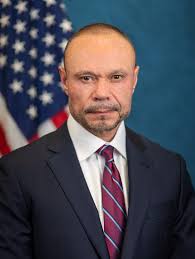
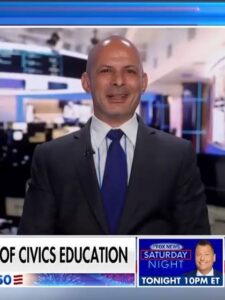
Our FUTURE Is At STAKE: Professor Sounds Alarm Over US Civics Education

Concerns about the state of US civics education are growing across the political spectrum. Educators, historians, policymakers, and civic organizations have increasingly argued that many Americans lack a basic understanding of how their government functions, what constitutional rights they possess, and the responsibilities that come with citizenship.
Recently, a professor’s warning about the future of civic education reignited public discussion. The professor argued that weakening civics instruction could have long-term consequences for democracy, informed voting, community engagement, and public trust in institutions. Although opinions differ on the causes and solutions, many experts agree that civic literacy remains essential for a healthy democratic society.
As debates continue over education policy, curriculum standards, and classroom priorities, one question stands out: Are future generations receiving the knowledge they need to participate effectively in American democracy?
This article explores why civic education matters, why experts are sounding the alarm, the challenges facing schools today, and potential solutions that could strengthen civic understanding across the United States.
Why US Civics Education Matters
Civics education teaches students how government works, why constitutional principles matter, and how citizens participate in democracy. It extends beyond memorizing historical dates or political facts. Instead, it encourages critical thinking, informed decision-making, respectful dialogue, and civic participation.
Students typically learn about:
- The U.S. Constitution
- The three branches of government
- Federalism
- Individual rights and responsibilities
- Elections and voting
- The judicial system
- Public policy
- Local, state, and federal government roles
Understanding these topics enables citizens to make informed decisions throughout their lives.
Without civic knowledge, individuals may struggle to distinguish facts from misinformation or understand how public policies affect everyday life.
Professor Warns About America’s Future
The professor’s warning reflects a concern shared by numerous educators and researchers. According to this perspective, declining civic knowledge weakens democratic institutions because citizens become less informed about government processes and constitutional principles.
The warning focuses on several key issues:
Declining Civic Literacy
Research has shown that many Americans cannot correctly answer basic questions about government institutions.
Some surveys have found that people struggle to identify:
- The three branches of government
- Constitutional rights
- The number of Supreme Court justices
- Congressional responsibilities
- Basic election procedures
Although survey results vary, they consistently highlight significant knowledge gaps among adults and students.
Lower Civic Participation
Experts argue that civic education encourages participation beyond simply voting.
Well-informed citizens are generally more likely to:
- Vote regularly
- Attend community meetings
- Volunteer
- Contact elected officials
- Stay informed about public affairs
- Participate respectfully in public debate
When civic education declines, these forms of engagement may also decrease.
Growing Political Polarization
Many educators believe that stronger civics instruction can help students understand differing viewpoints while encouraging respectful discussion.
Instead of promoting a particular political ideology, quality civics education teaches students how democratic systems operate and how disagreements can be resolved peacefully through constitutional processes.
Why Many Schools Have Reduced Civics Instruction
Several factors have contributed to reduced emphasis on civics over recent decades.
Focus on Standardized Testing
One commonly cited reason involves standardized testing.
Many schools prioritize subjects that directly affect state accountability measures, including:
- Mathematics
- Reading
- Science
Because civics often receives less emphasis in testing programs, instructional time may shift toward tested subjects.
As a result, students sometimes receive fewer opportunities for in-depth civic learning.
Limited Classroom Time
Teachers face increasing demands to cover numerous academic standards within limited school hours.
Adding new requirements in areas such as technology, career readiness, financial literacy, and social-emotional learning often leaves less time for civics.
This challenge affects schools nationwide.
Curriculum Differences Across States
Education policies vary considerably between states.
Some states require:
- Full-year civics courses
- Citizenship exams
- Service-learning projects
Others devote relatively little classroom time to civic education.
Because education standards differ, students across the country receive varying levels of civic instruction.
The Importance of Understanding the Constitution
The United States Constitution remains the foundation of American government.
Learning constitutional principles helps students understand:
Separation of Powers
Government authority is divided among three branches:
- Legislative
- Executive
- Judicial
This structure prevents excessive concentration of power.
Checks and Balances
Each branch possesses specific powers that limit the authority of the others.
These safeguards were designed to preserve accountability.
Individual Rights
Students also study constitutional protections involving:
- Freedom of speech
- Freedom of religion
- Due process
- Equal protection
- Freedom of the press
- Peaceful assembly
Understanding these rights helps citizens appreciate both their freedoms and responsibilities.
Civic Knowledge Helps Combat Misinformation
Modern technology has dramatically changed how people consume news.
Social media platforms allow information to spread rapidly, but misinformation can also circulate quickly.
Strong civics education teaches students how to:
- Evaluate sources
- Verify facts
- Understand government processes
- Recognize misinformation
- Think critically before sharing information
These skills have become increasingly valuable in today’s digital environment.
Civic Education Extends Beyond the Classroom
Learning about government does not stop after graduation.
Communities also play an important role.
Examples include:
- Public libraries
- Museums
- Community organizations
- Historical societies
- Youth leadership programs
- Public debates
- Volunteer organizations
These institutions encourage lifelong civic engagement and help citizens stay informed throughout adulthood.
The Role of Teachers in Civic Learning
Teachers serve as guides rather than political advocates.
Their responsibility is to help students:
- Analyze multiple perspectives
- Understand constitutional principles
- Evaluate evidence
- Practice respectful discussion
- Develop informed opinions
Effective civics instruction encourages curiosity instead of telling students what to think.
Professional educators often emphasize balanced classroom discussions where students examine historical documents, legal cases, and public policy debates using credible evidence.
Why Civic Education Supports Democracy
Democratic systems depend on informed citizens who understand both their rights and their civic responsibilities. When people know how laws are made, how elections work, and how different levels of government interact, they are better prepared to participate constructively in public life.
Supporters of stronger civics education argue that these lessons can help build trust in democratic institutions while encouraging respectful dialogue, community involvement, and informed decision-making.
Whether through classroom instruction, community service, or public discussions, civic learning equips individuals with the tools needed to engage responsibly in society.
Conversations about US civics education have become increasingly prominent in recent years. While there is broad agreement that students should understand the Constitution, government institutions, and the responsibilities of citizenship, there are differing views on how these topics should be taught.
Some educators advocate for expanding civics instruction through project-based learning, mock elections, and community service. Others emphasize the importance of strengthening history education alongside civics to provide students with a deeper understanding of the nation’s development.
Despite these differences, many education experts agree that civic literacy is a critical skill for every student, regardless of political affiliation.
Challenges Facing Civics Teachers
Teaching civics effectively comes with several challenges.
Keeping Lessons Engaging
Government structures and legal principles can seem abstract to younger students. Teachers often use simulations, debates, and real-world case studies to make civic concepts more engaging and relevant.
Addressing Sensitive Topics
Discussions about current events, elections, and public policy can involve strongly held opinions. Educators aim to create respectful classroom environments where students can examine evidence, ask questions, and understand multiple perspectives without feeling pressured to adopt a particular viewpoint.
Limited Resources
Some schools have access to extensive civic education programs, while others face budget constraints, limited instructional materials, or insufficient professional development opportunities for teachers.
Proposed Solutions to Strengthen Civics Education
Experts have suggested several ways to improve civic learning across the United States.
Expand Dedicated Civics Courses
Many educators recommend requiring at least one comprehensive civics course during middle or high school. A dedicated course allows students to explore constitutional principles, government institutions, and civic participation in greater depth.
Increase Experiential Learning
Students often retain information more effectively when they actively participate in civic activities. Examples include:
- Mock legislative sessions
- Student government
- Community service projects
- Visits to local government offices
- Courtroom observations
- Public speaking competitions
These experiences help students connect classroom lessons to real-world civic engagement.
Strengthen Media Literacy
In today’s digital landscape, media literacy has become an essential component of civics education. Teaching students how to evaluate sources, verify information, and recognize misleading content can help them become more informed citizens.
Encourage Community Partnerships
Schools can collaborate with libraries, museums, civic organizations, and local government agencies to provide students with additional learning opportunities outside the classroom.
Technology’s Role in Civic Learning
Technology has transformed how students access information about government and public affairs.
Online resources now offer:
- Digital copies of historical documents
- Virtual tours of government institutions
- Interactive Constitution lessons
- Educational videos
- Election data
- Legislative tracking tools
However, technology also presents challenges. Students must learn to distinguish credible sources from misinformation, opinion, and manipulated content. Strong digital literacy skills complement traditional civics education by helping students navigate today’s information environment responsibly.
The Role of Families in Civic Education
Schools are not solely responsible for teaching civic responsibility. Families also play a vital role.
Parents and guardians can encourage civic learning by:
- Discussing current events at home
- Explaining the importance of voting
- Visiting historical sites and museums
- Encouraging respectful conversations about public issues
- Demonstrating community involvement through volunteering
These everyday activities reinforce lessons learned in the classroom and help students see civic participation as a lifelong responsibility.
Why Civic Engagement Benefits Communities
Communities with active civic participation often experience stronger collaboration between residents and local institutions.
Civic engagement can include:
- Voting in elections
- Attending public meetings
- Volunteering for local organizations
- Participating in neighborhood improvement projects
- Serving on community boards
- Advocating for local issues
When citizens understand how government works, they are generally better equipped to contribute constructively to public decision-making.
Looking Ahead: The Future of US Civics Education
The renewed focus on civics education has prompted many states, school districts, and nonprofit organizations to invest in updated curricula and teacher training. New initiatives emphasize constitutional knowledge, critical thinking, media literacy, and respectful civic dialogue.
Supporters believe these efforts can help prepare future generations to participate responsibly in democratic institutions. While opinions differ on the best methods, there is widespread recognition that civic knowledge remains a cornerstone of an informed society.
The professor’s warning serves as a reminder that education extends beyond academic achievement. Understanding government, individual rights, and civic responsibilities equips students to engage thoughtfully with their communities and the nation.
Conclusion
The debate surrounding US civics education reflects broader questions about the future of democratic participation. As educators, policymakers, parents, and community leaders discuss how best to prepare young people for civic life, one point remains clear: understanding the principles of government and citizenship is essential.
Strong civics education helps students develop critical thinking skills, evaluate information responsibly, appreciate constitutional values, and participate meaningfully in their communities. Although approaches may vary, investing in civic literacy can contribute to a more informed and engaged population.
As discussions continue, the challenge will be ensuring that future generations receive the knowledge and practical experience needed to navigate an increasingly complex civic landscape.
Frequently Asked Questions (FAQs)
1. What is US civics education?
US civics education teaches students about the Constitution, the structure of government, individual rights, civic responsibilities, elections, and democratic participation.
2. Why are experts concerned about civics education?
Many experts believe that declining civic knowledge may reduce informed participation in democracy, making it more difficult for citizens to understand government processes and evaluate public issues.
3. What topics are included in civics classes?
Common topics include the Constitution, the three branches of government, federalism, elections, voting, civil rights, public policy, and civic responsibilities.
4. How does civics education help students?
It helps students develop critical thinking, media literacy, constitutional understanding, respectful communication, and informed decision-making.
5. Can civic education reduce misinformation?
Civics education can improve students’ ability to evaluate sources, verify facts, and understand how government functions, which may help them identify misleading or inaccurate information.
6. Why is civic participation important?
Active civic participation allows citizens to vote, volunteer, engage with local government, and contribute to their communities in meaningful ways.
7. What role do families play in civics education?
Families can reinforce civic learning by discussing current events, encouraging community service, and modeling responsible citizenship.
8. What are some ways schools can improve civics education?
Schools can expand civics courses, incorporate experiential lear
How useful was this post?
Click on a star to rate it!
Average rating 0 / 5. Vote count: 0
No votes so far! Be the first to rate this post.
About the Author

usa5911.com
Administrator
Hi, I’m Gurdeep Singh, a professional content writer from India with over 3 years of experience in the field. I specialize in covering U.S. politics, delivering timely and engaging content tailored specifically for an American audience. Along with my dedicated team, we track and report on all the latest political trends, news, and in-depth analysis shaping the United States today. Our goal is to provide clear, factual, and compelling content that keeps readers informed and engaged with the ever-changing political landscape.