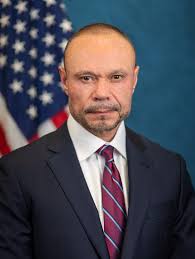
Rep. Anna Paulina Luna: Our Elections Need ‘NATIONAL SECURITY’ Protection
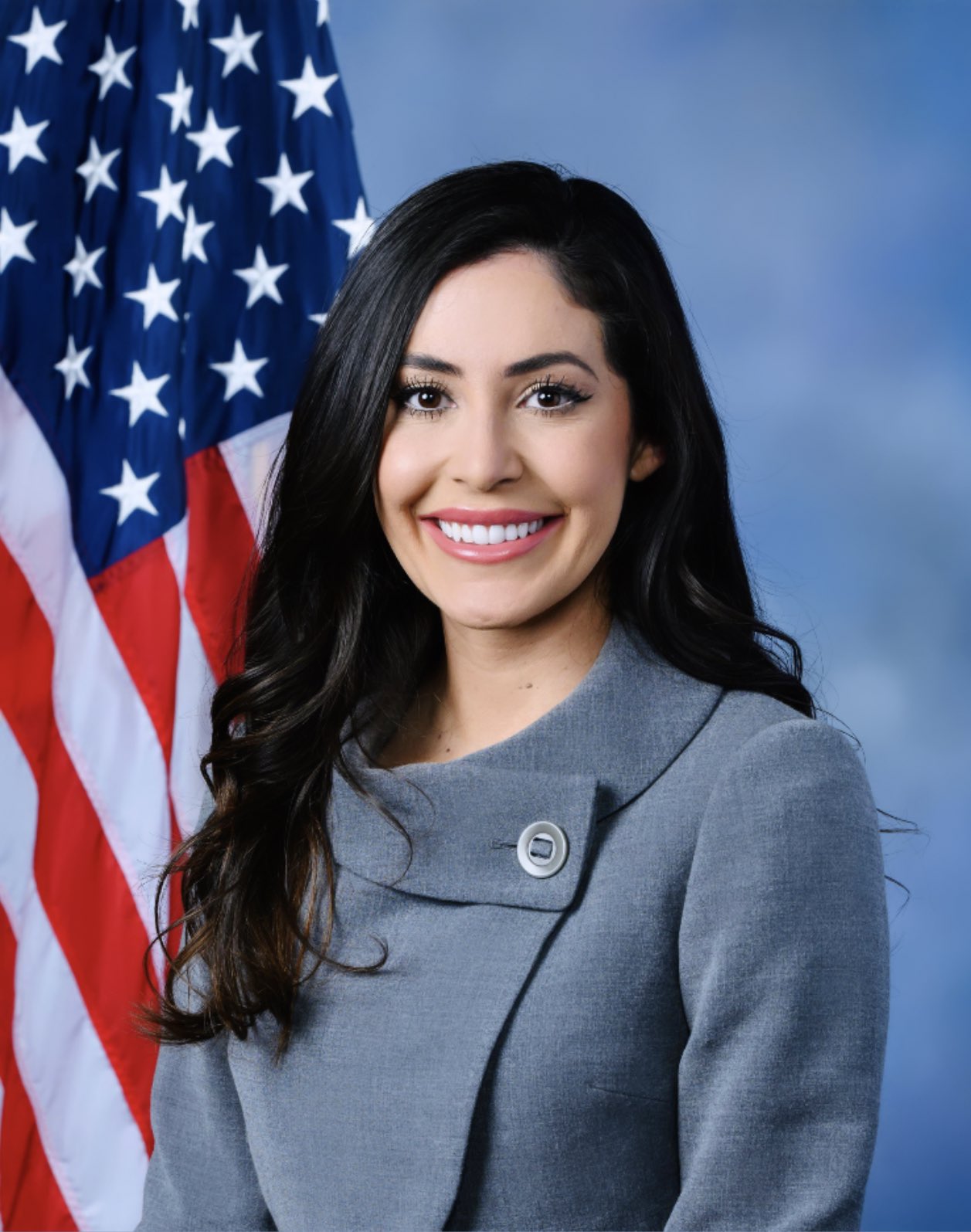
The debate over election integrity in the United States continues to shape political discussions across the country. During recent public remarks, Representative Anna Paulina Luna argued that American elections should be treated as a matter of national security. Her comments have reignited conversations about voter confidence, election administration, cybersecurity, and federal versus state responsibilities.
Luna emphasized that protecting elections is not simply a political issue but one that directly affects the country’s stability and democratic institutions. Supporters agree that safeguarding elections is essential for maintaining public trust, while critics argue that many proposed reforms must be backed by evidence and implemented without restricting lawful access to voting.
This article examines Luna’s statements, why election security remains a national concern, the current threats facing election systems, and how policymakers continue debating the future of election protection in America.
Why Election Security Has Become a National Priority

Election security has become one of the most significant public policy issues in recent years. Since the 2016 presidential election, federal agencies, state governments, cybersecurity experts, and lawmakers have increased efforts to strengthen election infrastructure.
Concerns include:
- Foreign cyber interference
- Disinformation campaigns
- Hacking attempts
- Protection of voter databases
- Ballot security
- Public confidence in election outcomes
Government agencies have repeatedly warned that hostile foreign actors continue attempting to influence public opinion through misinformation campaigns, even when they fail to alter actual vote counts.
Because of these evolving threats, many lawmakers now describe election protection as part of America’s overall national security strategy.
Anna Paulina Luna’s Position
Rep. Anna Paulina Luna has consistently argued that election integrity deserves stronger protection.
According to her recent remarks, elections represent the foundation of American democracy. She suggested that safeguarding them should receive the same level of seriousness as protecting critical national infrastructure.
Her message centered around one primary theme:
America’s elections should be viewed through a national security lens rather than simply as a partisan political issue.
Luna argued that every eligible voter deserves confidence that elections are secure, transparent, and trustworthy.
Supporters believe stronger safeguards can improve public trust regardless of political affiliation.
Why National Security and Elections Are Connected
National security traditionally focuses on protecting a country from external and internal threats.
Today, cybersecurity experts increasingly include elections among the nation’s critical infrastructure.
Election systems rely upon:
- Computer networks
- Voter registration databases
- Electronic reporting systems
- Communication networks
- Physical polling locations
Each component requires protection from cyberattacks, misinformation, sabotage, and criminal activity.
Federal agencies have repeatedly identified election infrastructure as an attractive target for foreign adversaries seeking to undermine public confidence.
Even unsuccessful attacks can create confusion and distrust.
Foreign Interference Remains a Concern
One of the biggest reasons lawmakers discuss election security is continued concern about foreign interference.
American intelligence agencies have publicly warned that several foreign governments have attempted to influence public opinion through online campaigns.
These efforts often include:
- Fake social media accounts
- Artificial intelligence-generated content
- False news stories
- Coordinated propaganda
- Manipulated videos
- Political misinformation
Rather than changing vote totals directly, many operations seek to weaken confidence in democratic institutions.
This makes election security about more than protecting ballots—it also involves protecting public trust.
Cybersecurity Challenges Continue Growing
Modern elections depend heavily on digital infrastructure.
Cybersecurity experts continuously monitor threats involving:
Voter Registration Systems
State databases must remain accurate and secure.
Unauthorized access could create confusion, delays, or administrative challenges during elections.
Election Reporting Systems
While reporting systems typically do not count votes themselves, they provide unofficial election-night results.
Cyberattacks targeting reporting websites could spread confusion even without affecting actual ballots.
Local Government Networks
County election offices increasingly face ransomware attacks.
These incidents can disrupt operations and require significant resources to recover.
Because many local governments operate with limited budgets, cybersecurity investments remain a continuing challenge.
Election Integrity Versus Election Access
The debate surrounding election reform often centers on balancing two important goals.
Protecting Election Integrity
Supporters of stricter security measures argue that:
- Every legal vote should count.
- Illegal voting must be prevented.
- Verification systems increase confidence.
- Election rules should be enforced consistently.
They believe stronger safeguards help maintain legitimacy regardless of who wins.
Protecting Voting Access
Other lawmakers emphasize ensuring eligible voters face as few barriers as possible.
They argue reforms should:
- Preserve voting rights.
- Prevent unnecessary restrictions.
- Improve accessibility.
- Encourage civic participation.
Many election policy debates focus on finding the right balance between these objectives.
What Experts Say About Election Security
Cybersecurity professionals generally agree on several priorities.
They recommend continued investments in:
- Updated voting equipment
- Improved cybersecurity training
- Better threat intelligence sharing
- Physical security at polling locations
- Routine security audits
- Backup paper records where appropriate
Experts often note that election security is an ongoing process rather than a one-time solution.
As technology evolves, new risks emerge that require constant monitoring.
State Governments Play the Largest Role
Although national discussions often focus on Congress, elections in the United States are primarily administered by individual states.
Each state determines many aspects of its election process, including:
- Voter registration procedures
- Early voting rules
- Mail voting policies
- Polling place operations
- Ballot verification methods
Because of this decentralized system, election security efforts vary across the country.
Some states have invested heavily in cybersecurity and paper ballot backups, while others continue upgrading older infrastructure.
Congressional Debate Continues
Members of Congress remain divided over how much authority the federal government should have regarding election administration.
Some lawmakers support national standards for cybersecurity and election infrastructure.
Others argue states should retain primary responsibility while receiving federal resources and technical assistance.
Rep. Luna’s comments add to this broader debate by framing election security as a national security issue rather than solely an administrative responsibility.
Public Confidence Matters
Regardless of political affiliation, many experts agree that public confidence is essential to a functioning democracy.
When voters trust the election process, they are more likely to:
- Participate in elections.
- Accept certified results.
- Engage peacefully in civic life.
- Support democratic institutions.
Maintaining that confidence requires transparency, accurate information, secure systems, and continued cooperation among election officials at every level.
Over the past two decades, election administration has evolved significantly. While paper ballots are still widely used, many aspects of the process now rely on digital technology.
Election officials use computer systems to:
- Maintain voter registration records
- Verify voter eligibility
- Report unofficial election-night results
- Coordinate polling locations
- Manage absentee and mail-in ballots
These technological advancements have improved efficiency, but they have also introduced new cybersecurity challenges. As a result, protecting election infrastructure has become a growing priority for federal, state, and local governments.
Cybersecurity professionals regularly test election systems, conduct risk assessments, and recommend software updates to reduce vulnerabilities. Continuous improvement is considered essential because cyber threats evolve rapidly.
Election Infrastructure as Critical Infrastructure
In recent years, U.S. election infrastructure has been designated as part of the nation’s critical infrastructure. This designation reflects the importance of ensuring that election systems remain secure and resilient against cyber threats, physical disruptions, and foreign interference.
Critical infrastructure protection includes:
- Strengthening cybersecurity defenses
- Sharing intelligence among government agencies
- Conducting security assessments
- Training election officials
- Improving emergency response planning
- Protecting physical voting locations
Supporters of this approach argue that elections are fundamental to democratic governance and deserve protection comparable to other essential national systems.
Transparency and Public Trust
Election security is not solely about preventing cyberattacks or unauthorized access. Transparency also plays a key role in building public confidence.
Election officials often promote transparency through:
- Public testing of voting equipment
- Bipartisan observation of vote counting
- Independent audits
- Certification processes
- Clear communication with voters
These practices help demonstrate that election procedures are conducted according to established laws and regulations.
Supporters of stronger security measures argue that transparency and accountability work together to reinforce trust in election outcomes.
The Role of Congress in Election Security
Congress continues to debate legislation related to election administration, cybersecurity funding, and national security.
Some proposals focus on:
- Increasing cybersecurity grants for states
- Enhancing information sharing between agencies
- Modernizing election equipment
- Supporting election officials with technical expertise
- Improving resilience against cyber threats
At the same time, lawmakers differ on how much federal involvement is appropriate. Some advocate for national standards, while others believe states should retain primary authority over election administration.
Rep. Luna’s comments contribute to this broader policy discussion by emphasizing the national security implications of election protection.
Balancing Security and Accessibility
One of the most important aspects of election policy is balancing security with accessibility.
Most policymakers agree on two goals:
- Eligible voters should be able to cast their ballots without unnecessary obstacles.
- Election systems should include safeguards that protect against fraud, cyberattacks, and administrative errors.
Finding the right balance continues to be a central topic in legislative debates, court decisions, and public policy discussions.
Challenges Facing Local Election Officials
Many election offices operate with limited budgets and staff. Local officials are responsible for managing polling places, maintaining voter rolls, training poll workers, and responding to cybersecurity threats.
Common challenges include:
- Aging technology
- Staffing shortages
- Cybersecurity training needs
- Equipment replacement costs
- Public misinformation
- Increased operational demands during election cycles
Federal grants and partnerships have helped many jurisdictions improve security, but officials continue to stress the importance of sustained investment.
Why Public Confidence Matters
Regardless of political viewpoints, confidence in election administration is widely regarded as essential to a healthy democracy.
When citizens trust the electoral process, they are more likely to:
- Participate in elections
- Respect certified outcomes
- Engage constructively in civic life
- Support democratic institutions
Public confidence depends on secure systems, transparent procedures, accurate information, and effective communication from election officials.
Looking Ahead
As technology continues to evolve, election security will likely remain a significant national policy issue.
Future priorities may include:
- Expanding cybersecurity protections
- Improving voter education
- Strengthening defenses against misinformation
- Enhancing cooperation between federal and state agencies
- Investing in resilient election infrastructure
Rep. Anna Paulina Luna’s call to view elections through a national security lens reflects an ongoing conversation about how best to protect democratic processes while preserving public confidence and voter access.
The debate is expected to continue as lawmakers, election officials, cybersecurity experts, and voters consider how to address emerging threats in future election cycles.
Conclusion
Election security remains one of the most closely watched issues in American public policy. Representative Anna Paulina Luna’s remarks underscore the view that protecting elections is not simply an administrative responsibility but an important component of national security.
Supporters argue that stronger safeguards can enhance voter confidence, deter foreign interference, and reinforce trust in democratic institutions. Others emphasize that any reforms should also preserve broad access to voting and be guided by evidence and transparency.
While opinions differ on the best path forward, there is broad agreement that secure, reliable, and transparent elections are essential to the functioning of the United States. Continued investment in cybersecurity, election infrastructure, and public education will remain important as election systems adapt to new challenges.
Frequently Asked Questions (FAQs)
1. Why did Rep. Anna Paulina Luna describe elections as a national security issue?
She argued that secure elections are fundamental to protecting democratic institutions and maintaining public confidence, making election security an important national concern.
2. What does election security include?
Election security includes cybersecurity protections, safeguarding voter registration systems, securing voting equipment, protecting polling places, combating misinformation, and ensuring transparent election administration.
3. Who is responsible for administering U.S. elections?
Elections are primarily administered by state and local governments, while the federal government provides guidance, cybersecurity support, and assistance where appropriate.
4. Why is cybersecurity important during elections?
Cybersecurity helps protect election systems from hacking attempts, ransomware attacks, data breaches, and other digital threats that could disrupt election administration or undermine public confidence.
5. Can foreign governments influence elections?
U.S. intelligence agencies have warned that foreign actors may attempt to influence public opinion through disinformation and online influence campaigns. Protecting against these efforts is an ongoing focus of election security.
6. Why is transparency important in elections?
Transparency—including audits, public testing, bipartisan observation, and clear communication—helps strengthen trust in the electoral process and reassure voters that elections are conducted fairly
Election Security Is More Than Technology
Although cyberattacks receive much of the public attention, election security extends well beyond computers and networks. Experts emphasize that protecting democracy requires a layered approach that combines physical security, transparent procedures, trained personnel, and public education.
Election officials across the country prepare months in advance by testing voting equipment, verifying voter registration systems, training poll workers, and coordinating with law enforcement. Many jurisdictions also conduct post-election audits to verify that reported results match paper ballots or other official records.
These efforts are designed to reduce risks and reassure voters that elections are conducted fairly and accurately.
The Role of Federal Agencies
Several federal agencies assist states and local governments with election security. While states administer elections, the federal government provides intelligence, cybersecurity guidance, and resources to help defend election infrastructure against evolving threats.
Federal support often includes:
- Cybersecurity assessments
- Threat intelligence sharing
- Incident response planning
- Training for election officials
- Best-practice recommendations
- Coordination during major election cycles
This partnership reflects the understanding that election security is both a local responsibility and a matter of national importance.
Transparency Builds Public Trust
Rep. Anna Paulina Luna’s comments also highlight a broader concern: public confidence in election outcomes.
Transparency plays a key role in maintaining that confidence. Election officials regularly invite bipartisan observers, conduct public testing of voting equipment, and publish procedures for ballot counting and certification.
Open communication helps reduce misinformation and allows voters to better understand how elections are conducted.
When election processes are transparent, citizens are more likely to trust certified results regardless of political affiliation.
The Challenge of Misinformation
One of the biggest threats to modern elections is the rapid spread of false or misleading information online.
Social media platforms have made it easier for inaccurate claims to reach millions of people within hours. These claims may involve voting procedures, polling locations, candidate eligibility, or election results.
Experts encourage voters to verify election information through official state election websites, local election offices, and trusted news organizations rather than relying solely on social media posts.
Improving digital literacy is increasingly viewed as an important component of election security.
Election Reform Remains a Divisive Issue
Election reform proposals often generate intense debate because they involve balancing multiple priorities.
Common proposals include:
Strengthening Voter Identification
Supporters argue that voter ID requirements help verify identity and increase confidence in election outcomes.
Critics caution that such requirements should be implemented in ways that do not create unnecessary barriers for eligible voters.
Expanding Cybersecurity Funding
Many policymakers support additional funding to modernize election infrastructure, replace aging equipment, and improve cybersecurity protections.
Standardizing Security Practices
Some lawmakers advocate national minimum cybersecurity standards while preserving state authority over election administration.
Others believe states should continue determining their own procedures based on local needs.
Why Luna’s Comments Are Receiving Attention
Rep. Luna’s remarks resonate with many voters because election integrity remains a highly visible political issue.
By describing elections as a national security concern, she frames the discussion in terms that extend beyond party politics.
Her position reflects the view that:
- Democracy depends on secure elections.
- Public confidence is essential.
- Foreign interference should be aggressively countered.
- Election infrastructure deserves continued investment.
Supporters believe this approach encourages long-term planning rather than temporary political responses.
What Critics Say
Critics of framing election policy primarily through a national security lens argue that election systems are already subject to extensive oversight and that claims about vulnerabilities should be supported by credible evidence.
Many election experts note that while foreign influence campaigns and cyber threats are real, there is no single solution that eliminates all risks. Instead, they recommend ongoing improvements, bipartisan cooperation, and evidence-based policymaking.
They also emphasize the importance of preserving both election security and voter access, rather than treating them as opposing goals.
Looking Ahead
Election security is expected to remain a major topic in future legislative sessions.
Emerging technologies such as artificial intelligence, deepfake videos, and increasingly sophisticated cyberattacks present new challenges for election officials.
Future priorities may include:
- Enhanced cybersecurity defenses
- Better protection against AI-generated misinformation
- Faster detection of foreign influence campaigns
- Continued modernization of election infrastructure
- Increased public education on election processes
- Stronger collaboration between federal, state, and local authorities
Lawmakers from both major political parties generally agree that protecting election systems is essential, even when they differ on the best methods to achieve that goal.
Why the National Conversation Matters
Free and fair elections are central to representative government. Regardless of political beliefs, maintaining confidence in the electoral process helps strengthen democratic institutions.
Rep. Anna Paulina Luna’s call for treating elections as a national security priority adds another perspective to an ongoing national discussion. Her remarks reflect concerns about cybersecurity, foreign interference, and public trust, while also highlighting broader debates over election administration and federal involvement.
As technology continues to evolve, policymakers, election officials, and cybersecurity experts will likely continue adapting strategies to protect election systems from emerging threats. Ensuring secure, transparent, and accessible elections remains an important objective shared across many parts of American society.
Conclusion
Rep. Anna Paulina Luna’s statement that America’s elections need “national security” protection underscores the growing focus on safeguarding democratic institutions in an increasingly digital world. From defending against cyberattacks and foreign influence campaigns to improving transparency and public confidence, election security has become a central issue in national policymaking.
While opinions differ on the best approach, there is broad recognition that secure elections are fundamental to democracy. Continued investment in technology, bipartisan cooperation, evidence-based reforms, and public education will play important roles in strengthening the integrity of future elections.
Frequently Asked Questions (FAQs)
1. Why did Rep. Anna Paulina Luna describe elections as a national security issue?
She argued that secure elections are essential to protecting democratic institutions and maintaining public confidence, making them a matter of national importance.
2. What are the main threats to election security?
Key threats include cyberattacks, foreign influence operations, misinformation campaigns, ransomware targeting local governments, and attempts to undermine public trust.
3. Who is responsible for administering U.S. elections?
States and local jurisdictions administer elections, while the federal government provides cybersecurity guidance, intelligence sharing, and other forms of support.
4. How do election officials protect voting systems?
Officials use measures such as cybersecurity monitoring, equipment testing, post-election audits, physical security, staff training, and secure voter registration systems.
5. What role does misinformation play in election security?
False or misleading information can reduce public confidence and confuse voters, making accurate communication and media literacy important parts of election protection.
6. Why is public confidence important in elections?
Trust in election processes encourages voter participation, supports peaceful acceptance of certified results, and strengthens democratic institutions over the long term.
How useful was this post?
Click on a star to rate it!
Average rating 0 / 5. Vote count: 0
No votes so far! Be the first to rate this post.
About the Author

usa5911.com
Administrator
Hi, I’m Gurdeep Singh, a professional content writer from India with over 3 years of experience in the field. I specialize in covering U.S. politics, delivering timely and engaging content tailored specifically for an American audience. Along with my dedicated team, we track and report on all the latest political trends, news, and in-depth analysis shaping the United States today. Our goal is to provide clear, factual, and compelling content that keeps readers informed and engaged with the ever-changing political landscape.