Military Shock:Pentagon Confirms Massive US Casualties,WW3 Tension,Fear
Pentagon Confirms Rising US Casualties
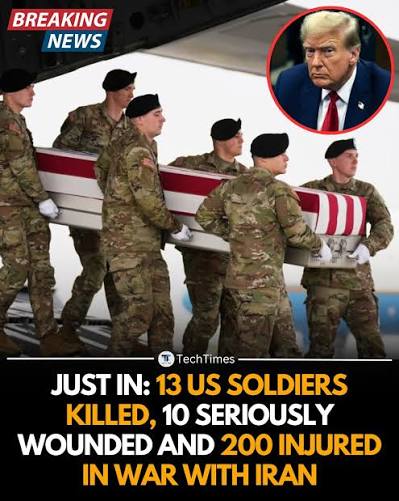
The Pentagon has confirmed that the number of American military casualties has continued to rise as fighting linked to the Iran conflict expands across the Middle East. According to the latest official figures, 14 U.S. service members have died, while more than 400 troops have been injured, many suffering traumatic brain injuries.
These losses have intensified concerns over the growing scale of the conflict. Military officials continue to monitor threats across multiple operational theaters, while commanders have emphasized that force protection remains a top priority.
The casualty figures reflect several separate incidents, including drone attacks, aircraft accidents, and other operational events during the ongoing campaign.
What the Pentagon Said
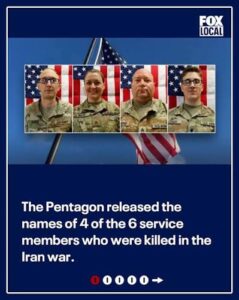
Defense officials acknowledged that the conflict has become increasingly dangerous for deployed American forces.
According to U.S. Central Command, the majority of wounded personnel have already returned to duty after receiving treatment, although some required evacuation for specialized medical care.
Military leaders have not indicated that combat operations are slowing. Instead, officials continue to describe the security environment as highly volatile.
Timeline of Casualties
Earlier official CENTCOM updates showed casualties increasing throughout the campaign.
- Initial reports confirmed several service members killed.
- Additional updates later raised the death toll as more personnel succumbed to injuries.
- The latest official reporting places the confirmed military death toll at 14.
This gradual increase highlights how casualty numbers often change as operations continue and investigations conclude.
Why Casualties Continue to Increase
Military analysts point to several reasons:
- Drone attacks against U.S. positions
- Missile strikes
- Aircraft accidents
- Blast-related traumatic brain injuries
- Expanding regional military operations
Modern warfare rarely produces casualties from a single battlefield alone. Logistics hubs, air bases, naval operations, and intelligence facilities all face potential threats.
Growing WW3 Tension
Social media has increasingly described the conflict as the beginning of “World War III.”
However, governments have not officially declared a world war.
Instead, experts describe the situation as a dangerous regional conflict involving multiple countries and proxy forces that carries the risk of broader escalation if diplomacy fails.
Strategic Importance of the Middle East
The Middle East remains one of the world’s most strategically important regions because it contains:
- Major oil shipping routes
- Critical naval chokepoints
- U.S. military bases
- Regional allies
- Significant energy infrastructure
Any disruption affects global markets and international security.
Impact on US Military Operations
Rising casualties could influence military planning in several ways.
Commanders may:
- Strengthen air defenses.
- Expand intelligence surveillance.
- Increase force protection measures.
- Rotate additional troops.
- Deploy more advanced missile defense systems.
These adjustments are common during prolonged military campaigns.
Public Reaction in America
News of increasing casualties has generated widespread discussion.
Many Americans have expressed support for deployed troops while also raising questions about:
- The duration of military operations
- Future troop deployments
- Long-term objectives
- Risks of escalation
Casualty announcements often renew debate over U.S. foreign policy.
Families Await Information
Before identities are released publicly, military officials notify next of kin.
This process is intended to ensure families receive official notification before names appear in media reports. CENTCOM has repeatedly stated that identities are withheld until family notifications are complete.
Regional Security Situation
Military activity continues across several areas.
Operations include:
- Air patrols
- Naval deployments
- Missile defense missions
- Intelligence gathering
- Force protection operations
Regional commanders remain on heightened alert.
Economic Impact
Conflict uncertainty affects global markets.
Potential consequences include:
- Higher oil prices
- Shipping insurance costs
- Defense spending
- Supply chain disruptions
- Investor uncertainty
Financial markets closely monitor military developments.
International Response
Several governments continue urging restraint while emphasizing diplomatic solutions.
International organizations have repeatedly called for reducing tensions to avoid further regional instability.
Despite ongoing military operations, diplomatic channels remain active.
Military Technology in Focus
The conflict has highlighted the importance of:
- Missile defense systems
- Drone warfare
- Electronic warfare
- Intelligence surveillance
- Precision-guided weapons
Modern conflicts increasingly rely on advanced technology rather than traditional large-scale ground offensives.
Medical Challenges
Many injured service members reportedly suffered traumatic brain injuries caused by blast waves rather than direct physical wounds. These injuries may require long-term monitoring and rehabilitation even when external injuries appear limited.
Military medical teams continue supporting affected personnel.
What Happens Next?
Several scenarios remain possible:
- Continued military operations
- Diplomatic negotiations
- Limited de-escalation
- Additional regional strikes
- New security agreements
The exact direction depends on political decisions and developments on the ground.
Could the Conflict Expand?
Security experts caution that additional escalation remains possible if attacks spread to new countries or involve more major powers.
At present, however, there has been no official declaration of a global war by the United States or its allies.
Conclusion
The Pentagon’s confirmation of rising U.S. military casualties underscores the human cost of the ongoing conflict. While the situation has fueled speculation about a wider international confrontation, official information supports describing it as a serious regional conflict rather than a declared World War III.
Military leaders continue to balance operational objectives with protecting deployed personnel, while governments pursue both security measures and diplomatic efforts.
Frequently Asked Questions (FAQs)
Has the Pentagon confirmed massive US casualties?
Yes. The Pentagon and U.S. Central Command have confirmed that U.S. military casualties have increased during the conflict, with the latest reports stating 14 deaths and more than 400 wounded.
Has World War III officially started?
No. There has been no official declaration that World War III has begun. Current reporting describes an ongoing regional conflict with risks of broader escalation.
How many US troops have been wounded?
More than 400 U.S. service members have reportedly been wounded, many with traumatic brain injuries.
Why are casualty numbers increasing?
Casualties have resulted from multiple incidents, including drone attacks, missile strikes, aircraft accidents, and combat-related injuries.
Will the conflict continue?
Military operations remain active, but future developments will depend on battlefield conditions and diplomatic efforts.
Intelligence Operations Intensify
As the conflict continues, intelligence has become one of the most critical components of U.S. military operations. Surveillance aircraft, reconnaissance drones, satellites, and cyber intelligence assets are working around the clock to monitor potential threats across the region.
Military analysts note that real-time intelligence allows commanders to detect missile launches, identify drone activity, and monitor hostile troop movements before attacks occur. This information is essential for protecting American personnel stationed overseas.
The Pentagon has also emphasized the growing role of artificial intelligence in analyzing battlefield data. AI-assisted systems can process large amounts of intelligence quickly, helping commanders make faster operational decisions.
Air Defense Systems Under Pressure
One of the biggest challenges facing U.S. forces is defending military bases from missile and drone attacks. Modern threats often involve swarms of inexpensive drones launched simultaneously, making interception increasingly difficult.
To strengthen defenses, the U.S. military continues deploying advanced air defense systems capable of tracking and destroying incoming threats. These include Patriot missile batteries, counter-drone technologies, and radar networks designed to detect low-flying aircraft.
Defense experts believe future conflicts will rely heavily on integrated air defense systems that combine radar, electronic warfare, and missile interceptors.
Naval Forces Maintain Regional Presence
The U.S. Navy remains a key element of American military strategy in the Middle East. Aircraft carriers, guided missile destroyers, and support vessels continue operating in strategic waterways to ensure freedom of navigation and deter further escalation.
Naval operations also support humanitarian missions, intelligence gathering, and the protection of commercial shipping routes. Maintaining a visible maritime presence allows the United States to respond rapidly to emerging threats while reassuring regional allies.
The Importance of Military Logistics
Behind every combat mission lies an extensive logistics network. Fuel, ammunition, food, medical supplies, spare parts, and communication equipment must reach deployed forces on time.
Military logistics units work continuously to transport supplies across thousands of miles. Even minor disruptions can affect operational readiness.
As the conflict continues, protecting supply chains has become just as important as frontline operations.
Cybersecurity Becomes a Battlefield
Modern warfare extends far beyond traditional combat. Cyberattacks targeting communication systems, military networks, financial infrastructure, and government agencies have become increasingly common.
The U.S. Department of Defense continues strengthening cyber defenses to prevent unauthorized access to classified information and critical military systems.
Cybersecurity experts warn that future conflicts may involve simultaneous cyber and conventional attacks, making digital resilience a national security priority.
Humanitarian Concerns Continue to Grow
Beyond military operations, humanitarian organizations remain concerned about civilians living in conflict-affected areas. Continued fighting can disrupt access to healthcare, food, electricity, and clean water.
International relief agencies have called for safe humanitarian access wherever possible. Protecting civilians remains an important consideration under international humanitarian law.
Support for Military Families
Military families often bear significant emotional and financial burdens during extended deployments. Government agencies and veterans’ organizations provide counseling, financial assistance, and family support services to help loved ones cope during periods of uncertainty.
Community organizations across the United States also continue expressing support for deployed troops through donation drives, care packages, and outreach programs.
Veteran Organizations Monitor Developments
Veterans’ organizations have urged continued attention to the long-term health of injured service members, particularly those suffering traumatic brain injuries or post-traumatic stress.
These groups emphasize the importance of ongoing medical care, rehabilitation, mental health services, and employment assistance for returning personnel.
Lessons for Future Military Planning
Military strategists believe the current conflict offers several important lessons:
- Drone warfare is becoming increasingly dominant.
- Missile defense remains essential.
- Intelligence sharing between allies improves operational effectiveness.
- Cybersecurity is now a frontline military capability.
- Force protection measures must continuously evolve.
These lessons are expected to influence future defense planning and military procurement.
Diplomatic Efforts Continue Alongside Military Operations
Even as military operations continue, diplomatic engagement remains active. Governments around the world continue holding discussions aimed at reducing tensions and preventing further escalation.
Diplomacy often operates behind closed doors, with negotiations involving multiple countries seeking to avoid a broader regional conflict.
While progress can be slow, diplomatic communication remains an important tool for crisis management.
Global Energy Markets Watch Closely
Energy markets continue reacting to developments in the Middle East because the region plays a central role in global oil production and shipping.
Any disruption to major shipping lanes or production facilities could affect fuel prices worldwide, influencing transportation costs, inflation, and economic growth.
Analysts therefore continue monitoring military developments alongside economic indicators.
Final Thoughts
The Pentagon’s confirmation of increasing U.S. military casualties highlights the serious human cost of the ongoing conflict. While tensions remain high and security challenges continue, it is important to distinguish verified official information from speculation circulating online.
Although concerns about wider international escalation persist, there has been no official confirmation that World War III has begun. Defense officials continue focusing on protecting U.S. personnel, supporting allies, and maintaining regional stability while diplomatic efforts seek to prevent further expansion of the conflict.
As new information becomes available, casualty figures and operational assessments may change. Readers should rely on official government statements and credible news organizations for the latest verified updates.
How useful was this post?
Click on a star to rate it!
Average rating 0 / 5. Vote count: 0
No votes so far! Be the first to rate this post.
About the Author

usa5911.com
Administrator
Hi, I’m Gurdeep Singh, a professional content writer from India with over 3 years of experience in the field. I specialize in covering U.S. politics, delivering timely and engaging content tailored specifically for an American audience. Along with my dedicated team, we track and report on all the latest political trends, news, and in-depth analysis shaping the United States today. Our goal is to provide clear, factual, and compelling content that keeps readers informed and engaged with the ever-changing political landscape.