Naval Blockade:US Military Redirects Dozens Of Ships,Chaos
The global maritime industry is once again at the center of international attention as reports indicate that the United States military has redirected dozens of commercial vessels amid an expanding naval blockade operation. The development has sparked concerns about global trade routes, energy security, military escalation, and the potential for wider geopolitical instability.
As shipping companies, governments, and financial markets monitor events closely, analysts warn that disruptions in key maritime corridors can trigger far-reaching consequences. From oil prices and supply chains to military alliances and diplomatic negotiations, the situation demonstrates how strategic waterways remain critical to the modern global economy.
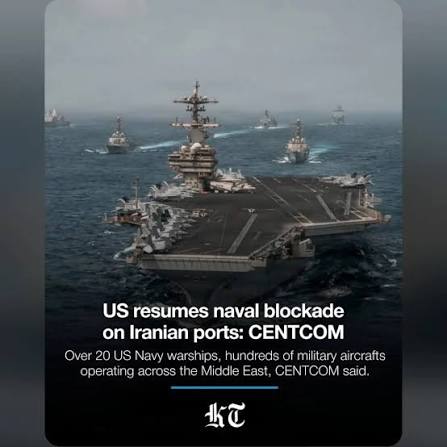
Recent military statements indicate that U.S. forces have redirected a significant number of vessels operating near Iranian maritime zones as part of blockade enforcement measures. Earlier official updates from U.S. Central Command reported that more than 100 commercial ships had already been redirected during blockade operations, supported by large naval and air deployments.
Understanding the Naval Blockade
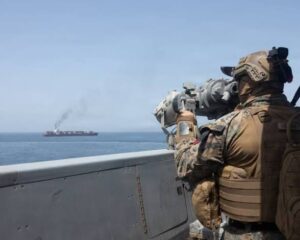
A naval blockade is a military operation designed to restrict maritime traffic entering or leaving specific ports or coastal regions. Historically, blockades have been used during wars and international crises to exert economic pressure, limit military supplies, and force political concessions.
Unlike traditional naval battles, blockades focus on controlling access to strategic waterways. The effectiveness of such operations depends on naval power, intelligence capabilities, surveillance systems, and international support.
In the current crisis, the blockade has drawn attention because it affects one of the world’s most important maritime regions, through which a substantial portion of global energy exports typically moves.
Why the US Military Is Redirecting Ships
According to official military announcements, U.S. forces began enforcing maritime restrictions against vessels entering or leaving Iranian ports. The stated objective was to prevent commercial maritime activity connected to targeted ports while maintaining freedom of navigation for ships traveling elsewhere in the region.
Military officials reported that vessels approaching restricted areas were contacted, warned, and instructed to alter their course. In many cases, ships complied and were redirected without incident. Some reports also describe enforcement actions against vessels that allegedly ignored repeated warnings.
The scale of the operation is notable. CENTCOM stated that thousands of military personnel, numerous warships, and hundreds of aircraft have supported enforcement efforts.
Strategic Importance of Regional Shipping Routes
The maritime region at the center of the crisis includes routes connected to the Strait of Hormuz, one of the most strategically important waterways in the world.
The Strait of Hormuz serves as a critical passage linking Gulf energy producers to international markets. Any disruption in this area can influence:
- Global oil exports
- Liquefied natural gas shipments
- Container trade
- Insurance costs
- Shipping schedules
- Energy prices
Even minor interruptions can trigger market volatility because traders often react to perceived risks before actual shortages occur.
Impact on Global Trade
The redirection of commercial vessels creates immediate logistical challenges.
Shipping companies rely on carefully planned routes designed to minimize travel time and fuel consumption. When ships are forced to alter course, several consequences may follow:
Increased Shipping Costs
Longer routes mean higher fuel expenses, additional crew costs, and delayed deliveries.
Supply Chain Delays
Manufacturers often depend on “just-in-time” inventory systems. Shipping disruptions can delay raw materials and finished products.
Higher Insurance Premiums
Maritime insurers frequently raise premiums when vessels operate near conflict zones or military operations.
Port Congestion
Redirected ships may seek alternative ports, creating congestion and reducing efficiency.
Researchers studying maritime disruptions have found that prolonged chokepoint closures can significantly reduce shipping efficiency and create cascading delays throughout global supply networks.
Energy Market Concerns
Energy markets are particularly sensitive to developments involving major maritime routes.
Oil traders closely monitor any event that could reduce supply or delay deliveries. Recent tensions surrounding regional waterways have already influenced market sentiment, contributing to fluctuations in crude oil prices.
Potential consequences include:
- Rising crude oil prices
- Increased transportation fuel costs
- Higher electricity generation expenses
- Inflationary pressures on consumer goods
Countries heavily dependent on imported energy may face greater economic challenges if disruptions continue for an extended period.
Military Assets Supporting the Operation
The scale of U.S. military involvement highlights the seriousness of the situation.
Official statements indicate support from:
- Aircraft carrier strike groups
- Guided missile destroyers
- Amphibious ready groups
- Marine expeditionary units
- Fighter aircraft
- Surveillance drones
More than 200 aircraft and warships were reported to be participating in enforcement activities during earlier phases of the blockade.
Such deployments demonstrate the ability of modern naval forces to monitor and influence maritime traffic across vast geographic areas.
International Reactions
Global reactions have been mixed.
Some governments view maritime security operations as necessary for maintaining regional stability. Others express concern about escalating military tensions and the possibility of unintended confrontations.
Major trading nations are particularly focused on preserving freedom of navigation and ensuring uninterrupted access to international shipping routes.
Diplomatic efforts involving regional mediators continue as governments seek solutions that reduce tensions while protecting economic interests. Recent reports suggest that discussions involving regional actors have explored pathways toward reopening and stabilizing maritime traffic flows.
Risks of Escalation
One of the biggest concerns is the possibility of military escalation.
Several scenarios worry analysts:
Accidental Encounters
Crowded waterways increase the risk of misunderstandings between military and commercial vessels.
Economic Retaliation
Affected nations may respond through economic or diplomatic measures.
Expanded Military Operations
Additional deployments by regional powers could increase tensions.
Cyber Threats
Modern maritime infrastructure relies heavily on digital systems, creating opportunities for cyber disruption.
Even isolated incidents involving commercial vessels can rapidly become international crises if multiple governments become involved.
Effects on Shipping Companies
Shipping operators face difficult decisions during periods of geopolitical uncertainty.
Companies must consider:
- Route adjustments
- Security assessments
- Insurance requirements
- Fuel budgeting
- Crew safety
- Contract obligations
Some operators may temporarily suspend operations in higher-risk areas, while others seek alternative routes that increase transit times but reduce security concerns.
The resulting inefficiencies often lead to increased costs that eventually affect businesses and consumers worldwide.
Economic Implications Beyond Shipping
The impact of maritime disruptions extends far beyond the shipping industry.
Affected sectors may include:
Manufacturing
Factories depend on timely delivery of components and raw materials.
Retail
Consumer goods often travel through global shipping networks before reaching stores.
Agriculture
Food exports and imports rely heavily on maritime transportation.
Technology
Electronic components and industrial equipment frequently move through international sea routes.
Because maritime trade supports much of the global economy, prolonged disruptions can affect economic growth across multiple regions.
Diplomatic Efforts Continue
Despite military activity, diplomatic channels remain active.
Recent reports indicate ongoing discussions involving regional governments seeking mechanisms to restore confidence and ensure safe maritime passage. Negotiations have focused on shipping security, navigation rights, and broader regional stability concerns.
Diplomacy remains essential because long-term stability is difficult to achieve through military measures alone.
Historical Perspective
History offers numerous examples of naval blockades influencing major geopolitical events.
From the Napoleonic Wars to the World Wars and Cold War confrontations, maritime restrictions have often served as tools of strategic pressure.
Modern blockades differ because today’s global economy is deeply interconnected. A disruption in one region can affect industries and consumers thousands of miles away.
This interconnectedness makes maritime stability more important than ever.
What Happens Next?
Several outcomes remain possible:
- Diplomatic agreements reduce tensions.
- Maritime traffic gradually normalizes.
- Enforcement operations expand.
- Regional actors increase military deployments.
- Global markets adapt to prolonged uncertainty.
The direction of events will depend on military decisions, diplomatic negotiations, economic pressures, and regional security developments over the coming weeks and months.
Conclusion
The decision by the US military to redirect dozens of ships highlights the growing significance of maritime security in modern geopolitics. As naval forces enforce restrictions and commercial vessels alter routes, the effects are being felt across global trade networks, energy markets, and diplomatic circles.
While military officials emphasize operational objectives and maritime enforcement, businesses and governments remain focused on the broader consequences. Shipping disruptions, rising costs, market uncertainty, and geopolitical tensions all contribute to an increasingly complex situation.
Whether the crisis leads to renewed negotiations or deeper confrontation will largely determine the future of regional stability and international commerce. For now, the world continues to watch one of the most strategically important maritime regions with heightened concern.
Frequently Asked Questions (FAQs)
What does it mean when the US military redirects ships?
It means military forces instruct vessels to change course and avoid specific areas or ports due to security, enforcement, or operational requirements.
Why is the naval blockade important?
A naval blockade can significantly affect trade, energy supplies, and regional security by restricting maritime traffic.
Which waterway is at the center of current concerns?
Much attention is focused on routes connected to the Strait of Hormuz because of its importance to global energy shipments.
How can redirected ships affect global markets?
Route changes can increase shipping costs, delay deliveries, raise insurance premiums, and contribute to price volatility.
Could oil prices rise because of maritime disruptions?
Yes. Energy markets often react quickly to perceived threats affecting major shipping lanes and oil export routes.
Are diplomatic negotiations underway?
Yes. Multiple reports indicate that regional mediators and governments are engaged in discussions aimed at reducing tensions and improving maritime security.
What industries are most affected?
Shipping, energy, manufacturing, retail, agriculture, and logistics sectors are among the most vulnerable to prolonged maritime disruptions.
Is the situation likely to escalate?
While escalation remains possible, ongoing diplomatic efforts seek to reduce risks and maintain stability in the region.
How useful was this post?
Click on a star to rate it!
Average rating 0 / 5. Vote count: 0
No votes so far! Be the first to rate this post.
About the Author

usa5911.com
Administrator
Hi, I’m Gurdeep Singh, a professional content writer from India with over 3 years of experience in the field. I specialize in covering U.S. politics, delivering timely and engaging content tailored specifically for an American audience. Along with my dedicated team, we track and report on all the latest political trends, news, and in-depth analysis shaping the United States today. Our goal is to provide clear, factual, and compelling content that keeps readers informed and engaged with the ever-changing political landscape.