The Matthew Petracca Comey seashells case has rapidly evolved into one of the most closely watched legal controversies in America. What began as a dispute over a social media image has expanded into a major courtroom battle involving free speech, prosecutorial discretion, constitutional law, and political accountability.
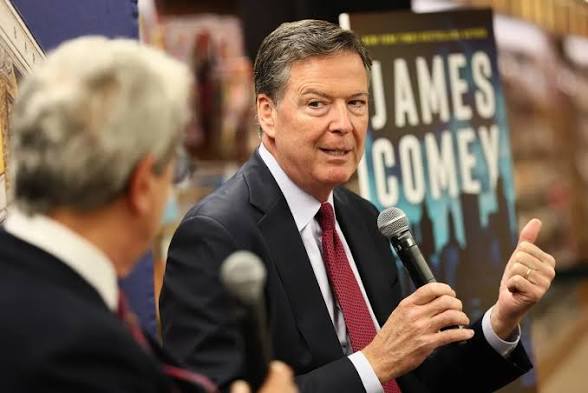
At the center of the controversy is former FBI Director James Comey and an Instagram post that featured seashells arranged to display the numbers “86 47.” Federal prosecutors allege the image constituted a threat against President Donald Trump, the 47th president of the United States. Comey has strongly denied any criminal intent, arguing that the case represents an unprecedented and politically motivated prosecution.
The case became even more controversial when Assistant U.S. Attorney Matthew Petracca, the lead federal prosecutor handling the matter, stepped aside from the prosecution without a public explanation. The development immediately triggered speculation among legal observers, political commentators, and constitutional scholars about the future of the case and its broader implications.
Understanding the Origins of the Seashells Case
The controversy stems from a social media photograph posted by James Comey. The image showed seashells arranged in a pattern spelling “86 47.”
Federal prosecutors argued that the numbers carried a threatening meaning. According to the government’s interpretation, “47” referred to President Donald Trump, while “86” allegedly implied removal or harm. Based on that interpretation, prosecutors secured a federal indictment against Comey on charges involving threats against the president and transmission of threatening communications.
The Justice Department has maintained that the case is supported by evidence extending beyond the social media image itself. Acting Attorney General Todd Blanche publicly stated that investigators examined additional materials and circumstances before seeking an indictment.
However, critics argue that the prosecution faces substantial First Amendment hurdles. Legal analysts have questioned whether the government can successfully demonstrate that the social media post constituted a genuine threat rather than protected political expression.
Who Is Matthew Petracca?
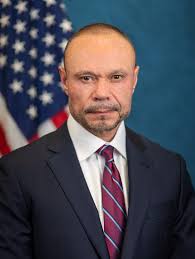
Matthew Petracca became a prominent figure in the controversy because he signed and led the federal prosecution.
Reports indicate that Petracca was a relatively recent addition to the U.S. Attorney’s Office in the Eastern District of North Carolina. His involvement attracted attention due to the politically sensitive nature of the case and because the prosecution targeted one of the country’s most recognizable former law enforcement officials.
As public scrutiny intensified, Petracca’s role became a focal point of debate. Supporters of the prosecution argued that federal authorities were obligated to investigate potential threats against a sitting president. Critics countered that the case appeared unusually aggressive and potentially selective in its enforcement.
When court documents later revealed that Petracca had withdrawn from the case, observers immediately questioned whether the move reflected internal disagreement, routine personnel changes, or concerns regarding the prosecution’s legal strength. The Justice Department did not publicly provide a detailed explanation for the transition.
Why Petracca’s Withdrawal Matters
Prosecutors leave cases for many reasons. Personnel reassignments, workload adjustments, career transitions, and internal staffing decisions occur regularly within federal agencies.
Yet the timing of Petracca’s departure drew significant attention because it occurred amid mounting criticism of the prosecution and ahead of anticipated constitutional challenges from Comey’s legal team.
Court filings show that another federal prosecutor assumed responsibility for the case after Petracca stepped aside. While the substitution does not automatically indicate weakness in the government’s position, it has added another layer of uncertainty to an already controversial legal battle.
The move also intensified media coverage because several commentators viewed it as a potentially significant procedural development. Legal experts noted that high-profile prosecutions often attract greater scrutiny when lead attorneys depart unexpectedly.
The Constitutional Questions at the Heart of the Case
The most important issue facing the court may be whether the Instagram post qualifies as a “true threat” under U.S. law.
The First Amendment protects a broad range of political speech, including controversial and offensive expression. Courts have historically distinguished between protected speech and genuine threats intended to place individuals in fear of violence.
Comey’s attorneys are expected to argue that the seashell image falls squarely within the realm of protected expression. According to public statements, his legal team intends to challenge the prosecution on constitutional grounds and seek dismissal before trial.
Prosecutors, meanwhile, maintain that the case involves more than a simple social media post and that evidence exists to support criminal charges.
The court’s eventual ruling could influence how future cases involving social media posts, symbolic expression, and alleged political threats are handled nationwide.
Trial Delays Add New Questions
Another major development came when a federal judge agreed to postpone Comey’s trial.
Originally scheduled for the summer, proceedings were pushed back to October after defense attorneys requested additional time to prepare constitutional challenges and review discovery materials. The judge cited the seriousness of the allegations and the complexity of the legal issues involved.
The delay gives both sides additional time to prepare arguments that could shape the future of the case.
For prosecutors, the postponement provides an opportunity to strengthen their legal position and respond to anticipated motions.
For the defense, it creates space to develop a comprehensive constitutional strategy aimed at preventing the case from ever reaching a jury.
Political Reactions Across America
The Matthew Petracca Comey seashells case has generated strong reactions across the political spectrum.
Supporters of the prosecution argue that threats against elected officials should be investigated thoroughly regardless of who makes them. They contend that federal authorities cannot ignore communications that could reasonably be interpreted as threatening.
Opponents view the indictment differently. Many critics argue that the government is stretching criminal statutes beyond their intended scope and targeting political opponents. Some legal commentators have questioned whether similar cases involving other public figures would have resulted in criminal charges.
The case has therefore become more than a dispute about a social media post. It has evolved into a broader debate about free speech, prosecutorial discretion, and political neutrality within federal law enforcement.
Public Debate on Social Media
Online discussion surrounding the case has been intense.
Across social media platforms, users continue debating whether the phrase “86 47” constitutes a threat, a political slogan, or protected expression. Reddit discussions have highlighted the divide between those who believe the prosecution is justified and those who view the case as legally weak.
Some commenters argue that the prosecution risks setting a dangerous precedent for political speech. Others maintain that law enforcement must err on the side of caution when communications involve references to the president.
The online debate reflects larger national disagreements about speech standards, intent, and the role of government in regulating potentially threatening communications.
What Happens Next?
Several major milestones remain ahead.
First, Comey’s attorneys are expected to file constitutional motions seeking dismissal of the indictment. Those filings could become the most important phase of the case because they may determine whether a trial is necessary at all.
Second, prosecutors will need to demonstrate that the evidence satisfies legal standards for criminal threats and that the charges are consistent with First Amendment precedent.
Third, the court will evaluate competing interpretations of the seashell image and the broader context surrounding the post.
If the judge rejects defense motions, the case could proceed toward a highly publicized trial later this year. If the motions succeed, the prosecution could face dismissal before jurors ever hear evidence.
Why This Case Could Set a Legal Precedent
Regardless of the outcome, the Matthew Petracca Comey seashells case may have lasting consequences.
Modern political communication increasingly occurs online through images, memes, symbols, and short-form posts. Courts continue grappling with how existing legal standards apply to digital expression.
A significant ruling in this case could clarify how prosecutors evaluate symbolic speech and alleged threats in the social media era. It may also influence future investigations involving public officials, political activists, journalists, and private citizens.
Because the case touches on both presidential security and constitutional rights, legal experts across the country are watching closely. The eventual outcome could shape future interpretations of the First Amendment and federal threat statutes for years to come.
Conclusion
The Matthew Petracca Comey seashells case continues to generate headlines as legal, constitutional, and political questions collide in federal court. Petracca’s withdrawal from the prosecution has deepened public interest and intensified scrutiny of a case that was already controversial.
With trial preparations continuing, constitutional challenges looming, and national attention focused on every development, the courtroom battle remains far from over. Whether the case ultimately proceeds to trial or is dismissed before reaching a jury, its impact on discussions about free speech, political expression, and federal prosecutorial authority is likely to extend well beyond the current news cycle.
For now, the legal mystery remains unresolved, and America continues to watch closely as one of the most unusual federal cases in recent memory moves forward.
About the Author