Justice Wecht Update: Supreme Court Ruling, Judicial Clash, Public Attention
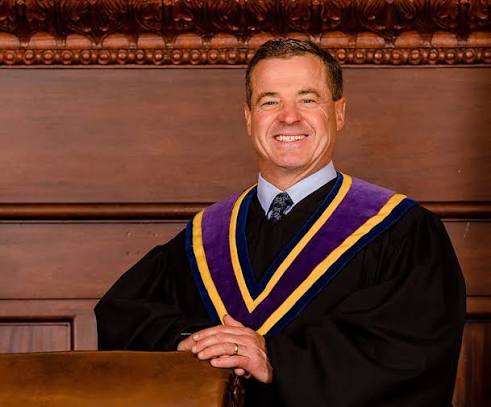
The latest Justice Wecht update has captured national attention as debates over judicial independence, political neutrality, and Supreme Court authority continue to intensify across the United States. Recent comments and actions involving David Wecht have fueled conversations about the role of judges in modern American politics, especially during a period of growing scrutiny toward courts and legal institutions.
In recent weeks, legal analysts, political observers, and voters have closely followed developments surrounding the Pennsylvania Supreme Court and broader national judicial disputes. Discussions about transparency, judicial ethics, election rulings, and partisan tensions have placed Justice Wecht at the center of public conversation.
At the same time, Americans are increasingly focused on how courts influence major issues such as elections, reproductive rights, constitutional interpretation, and executive power. That environment has elevated the visibility of judges like Justice Wecht and intensified attention on the judiciary itself.
Who Is Justice David Wecht?

David Wecht serves on the Pennsylvania Supreme Court and has long been recognized as one of the most visible judicial figures in Pennsylvania politics and law. Before joining the state’s highest court, Wecht built a reputation through years of legal practice and judicial service.
Justice Wecht was elected to the Pennsylvania Supreme Court in 2015 and became known for his outspoken legal opinions and strong views on constitutional interpretation. Over time, he emerged as a major voice in cases involving elections, judicial ethics, civil liberties, and public transparency.
Observers across the political spectrum often describe Wecht as intellectually assertive and willing to challenge traditional judicial norms. His legal opinions frequently attract public attention because they combine constitutional analysis with broader commentary on democratic institutions and accountability.
That visibility has now expanded far beyond Pennsylvania.
Political Tensions Surrounding Justice Wecht
One reason the Justice Wecht update is drawing national attention is his recent political shift involving the Democratic Party. Reports indicate that Justice Wecht announced he was leaving the Democratic Party and would instead register as politically independent.
According to published statements, Wecht expressed concern over rising antisemitism and political extremism. He argued that judicial independence should remain separate from party loyalty and suggested that the political environment had changed significantly over the years.
The announcement quickly sparked intense reaction online and across political media.
Some commentators praised the move as an example of judicial independence, while critics argued that judges should avoid highly public political statements altogether. The controversy immediately reignited long-running national debates about whether judges can truly remain politically neutral in an increasingly polarized country.
The issue also became part of a broader judicial clash happening across the United States, where courts are frequently accused by both conservatives and liberals of ideological decision-making.
Supreme Court Rulings and Growing Public Scrutiny
The Justice Wecht story is unfolding during a period of historically high public scrutiny toward the American judicial system.
Recent years have seen several controversial rulings from the Supreme Court of the United States on abortion, voting rights, executive authority, affirmative action, and regulatory powers. Those decisions have dramatically reshaped the political landscape and increased public attention toward judges themselves.
Chief Justice John Roberts recently acknowledged growing concerns about how Americans view the judiciary. Roberts warned that many citizens increasingly see judges as political actors rather than neutral interpreters of the law.
That perception has become central to ongoing debates about court legitimacy.
Legal experts say this environment creates enormous pressure on judges at every level of government. State supreme court justices, including Wecht, now operate under unprecedented political and media attention.
For many Americans, judicial rulings no longer appear distant or technical. Instead, court decisions are now seen as directly shaping everyday political and social life.
Judicial Clash Over Transparency and Elections
Another major factor driving attention around Justice Wecht involves election transparency and voting rights.
The Pennsylvania Supreme Court recently addressed disputes involving cast vote records and election transparency rules. The ruling ordered counties to release certain election-related voting data while balancing voter privacy protections.
Supporters argued the decision strengthened transparency and public trust in elections. Critics worried that releasing additional voting data could create privacy concerns.
Cases like these illustrate why judicial clashes are becoming increasingly public and politically charged. Election law disputes now receive national attention because they directly affect public confidence in democracy.
Justice Wecht has frequently been associated with discussions about constitutional interpretation and election-related legal questions, making him a major figure in these debates.
Public Attention on Judicial Independence
One of the biggest themes surrounding the Justice Wecht update is judicial independence.
Across the United States, Americans are asking whether judges can remain truly impartial while political polarization intensifies. Public trust in courts has fluctuated significantly over recent years, especially after controversial rulings involving presidential powers and election disputes.
Justice Wecht’s decision to distance himself from formal party affiliation has been interpreted in different ways. Supporters say it demonstrates independence from partisan politics. Critics argue that public political statements from judges risk undermining confidence in neutrality.
This debate extends far beyond Pennsylvania.
Judges nationwide increasingly face public criticism, social media campaigns, and political attacks after issuing controversial rulings. Some legal experts warn that growing hostility toward courts could damage democratic institutions over time.
Chief Justice Roberts recently warned against personal attacks on judges, arguing that criticism should focus on rulings rather than individual judges themselves.
That statement reflected broader concern inside the judiciary about rising public distrust.
The Role of State Supreme Courts in America
The Justice Wecht update also highlights the growing importance of state supreme courts in American politics.
While the federal Supreme Court receives the most media attention, state courts often decide critical issues involving elections, reproductive rights, education funding, public health measures, and criminal justice.
In Pennsylvania, the state Supreme Court has played a central role in several nationally watched legal battles during recent election cycles. That has transformed state justices into high-profile public figures.
Legal analysts note that state court rulings increasingly shape national political debates because many controversial issues are now being fought at the state level.
As a result, judges like Justice Wecht now receive scrutiny once reserved primarily for federal Supreme Court justices.
Abortion Rights and Constitutional Debates
Another major judicial clash developing in Pennsylvania involves abortion rights and constitutional protections.
Recent court rulings in Pennsylvania recognized reproductive autonomy as a constitutional right under the state constitution, setting up potential future battles before the Pennsylvania Supreme Court.
These decisions are especially significant after the U.S. Supreme Court overturned federal abortion protections in previous landmark rulings.
Cases involving reproductive rights remain among the most politically sensitive legal disputes in America. Judges deciding these matters often become targets of intense public criticism and political pressure.
Justice Wecht’s future role in potential abortion-related cases will likely attract continued national attention, particularly if the Pennsylvania Supreme Court becomes involved in major constitutional disputes.
Media Coverage and Viral Public Reactions
Social media has amplified every major judicial controversy in recent years, and the Justice Wecht update is no exception.
Online discussions about courts now spread rapidly across platforms including X, Facebook, Reddit, and YouTube. Legal rulings that once received limited public attention can now become viral political flashpoints within hours.
Commentators from both sides of the political spectrum have debated Wecht’s statements and broader concerns about antisemitism, political identity, and judicial independence.
Supporters describe him as principled and willing to speak openly about serious issues. Critics argue that judges should avoid entering politically charged public debates.
This online attention reflects a larger shift in how Americans engage with legal institutions. Courts are increasingly viewed not only as legal bodies but also as major political actors influencing national direction.
Why Americans Are Watching the Judiciary Closely
Public attention toward judges continues to rise because court decisions increasingly affect nearly every aspect of American life.
From voting rights and immigration to abortion and executive authority, courts now decide issues that directly influence national politics and cultural debates.
That reality has transformed judges into nationally recognized public figures.
The judiciary is also facing growing pressure because many Americans believe courts are becoming more ideological. Conservatives and liberals alike have accused judges of political bias depending on the outcome of specific rulings.
Justice Wecht’s recent headlines fit into this broader national conversation about whether judicial institutions can maintain public trust during periods of extreme polarization.
What Comes Next for Justice Wecht?
The future for David Wecht remains closely watched.
Legal experts expect continued attention surrounding his judicial opinions, public statements, and role in future Pennsylvania Supreme Court cases. Ongoing debates involving elections, constitutional rights, and judicial independence are likely to keep him in the public spotlight.
Observers also expect continued national discussion about court legitimacy and political neutrality.
The coming months could bring additional major rulings involving voting systems, constitutional interpretation, and civil rights — all areas where state supreme courts are becoming increasingly influential.
As America’s political divisions deepen, judges like Justice Wecht may continue to find themselves at the center of legal and cultural debates.
FAQs
Who is Justice David Wecht?
David Wecht is a justice on the Pennsylvania Supreme Court known for his influential legal opinions and public commentary on constitutional and judicial issues.
Why is Justice Wecht trending?
Justice Wecht is receiving attention after reports that he left the Democratic Party and declared political independence while criticizing rising antisemitism and political extremism.
What judicial issues are connected to Justice Wecht?
Justice Wecht has been associated with discussions involving election transparency, constitutional interpretation, judicial independence, and public trust in courts.
Why are Supreme Court rulings under public scrutiny?
Recent controversial rulings involving abortion rights, voting laws, executive authority, and constitutional issues have increased political focus on courts and judges nationwide.
What did Chief Justice John Roberts recently say?
John Roberts expressed concern that Americans increasingly view judges as political actors rather than neutral interpreters of the law.
Why are state supreme courts becoming more important?
State supreme courts now decide many major issues involving elections, reproductive rights, education, and constitutional law, making them highly influential in modern American politics.
Could Justice Wecht face more national attention?
Yes. Future Pennsylvania Supreme Court rulings involving elections, constitutional rights, or politically sensitive issues could continue placing Justice Wecht in the national spotlight.
How useful was this post?
Click on a star to rate it!
Average rating 0 / 5. Vote count: 0
No votes so far! Be the first to rate this post.
About the Author

usa5911.com
Administrator
Hi, I’m Gurdeep Singh, a professional content writer from India with over 3 years of experience in the field. I specialize in covering U.S. politics, delivering timely and engaging content tailored specifically for an American audience. Along with my dedicated team, we track and report on all the latest political trends, news, and in-depth analysis shaping the United States today. Our goal is to provide clear, factual, and compelling content that keeps readers informed and engaged with the ever-changing political landscape.