John Roberts Spotlight: Supreme Court Power, Major Decision, US Reacts
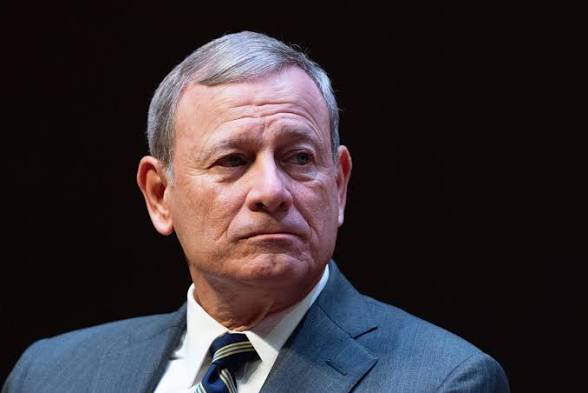
The spotlight is once again on John Roberts as the US Supreme Court faces growing political pressure, historic legal battles, and intense public scrutiny. In 2026, the court’s major rulings on voting rights, presidential authority, tariffs, and constitutional interpretation have reignited debate across America. Supporters argue the court is protecting constitutional principles, while critics believe it is reshaping the nation’s political future.
As Chief Justice since 2005, Roberts has become one of the most influential legal figures in modern American history. Under his leadership, the court has issued decisions that changed abortion rights, affirmative action policies, gun laws, and federal regulatory power. Recent comments from Roberts defending the court against accusations of political bias have further intensified national conversations about judicial independence and democracy.
This article explores John Roberts’ growing influence, the Supreme Court’s most controversial recent rulings, public reaction across the United States, and what these developments could mean for the future of American law and politics.
Who Is John Roberts?
John Roberts became Chief Justice of the United States in 2005 after being nominated by President George W. Bush. Known for his conservative legal philosophy and institutionalist approach, Roberts has often attempted to position the Supreme Court as an independent branch above partisan politics.
Over the past two decades, the “Roberts Court” has become one of the most transformative courts in modern US history. Major decisions issued under his leadership have altered federal authority, election law, civil rights protections, and the balance of power between the judiciary and elected officials.
Although Roberts is considered conservative, he has occasionally sided with liberal justices in high-profile cases, creating an image of a chief justice focused on protecting the court’s institutional legitimacy.
Why John Roberts Is Trending in 2026
The latest wave of attention surrounding Roberts comes after a series of explosive Supreme Court rulings and public remarks defending the court’s neutrality.
Speaking at a judicial conference in Pennsylvania, Roberts rejected claims that Supreme Court justices are “political actors.” He argued that the public often misunderstands the role of the court and wrongly assumes decisions are based on ideology instead of constitutional interpretation.
His comments came shortly after the court issued a controversial ruling weakening parts of the Voting Rights Act, sparking widespread criticism from civil rights groups and political leaders.
Public confidence in the Supreme Court has declined significantly in recent years, particularly after rulings involving abortion rights, affirmative action, and presidential immunity. Roberts now finds himself at the center of a national debate over whether the court remains an impartial legal institution or has become deeply political.
The Roberts Court and Supreme Court Power
The Supreme Court under Roberts has dramatically expanded its influence over American public life. Legal experts say the court now plays a more direct role in shaping policy than at any point in recent decades.
Several landmark rulings define the Roberts era:
1. Overturning Roe v. Wade
The court’s decision ending federal abortion protections marked one of the most consequential rulings in modern American history. The decision shifted abortion laws back to individual states and triggered massive political reactions nationwide.
2. Ending Affirmative Action
In a major education ruling, the Roberts Court struck down race-conscious college admissions policies, arguing they violated constitutional equal protection principles.
3. Expanding Gun Rights
The court strengthened Second Amendment protections in several cases, limiting state authority to regulate firearms.
4. Weakening Federal Agency Power
The Roberts Court also overturned the longstanding Chevron doctrine, reducing the authority of federal agencies to interpret ambiguous laws.
5. Presidential Immunity and Executive Power
One of the most controversial recent decisions expanded presidential immunity for official acts, generating concerns about executive accountability.
Together, these rulings have reshaped the American legal landscape and elevated the court’s political visibility.
The Voting Rights Decision That Sparked Outrage
One of the most discussed recent decisions involved Louisiana redistricting and the Voting Rights Act.
The Supreme Court ruled that Louisiana’s congressional map, which included a majority-Black district, constituted an unconstitutional racial gerrymander. Critics argued the decision weakened protections designed to ensure minority political representation.
Civil rights advocates warned the ruling could open the door for aggressive partisan redistricting across the country. Some analysts predicted the decision could significantly affect future congressional elections and potentially benefit Republicans in House races.
Supporters of the ruling argued the Constitution prohibits excessive reliance on race when drawing district boundaries and praised the court for enforcing equal protection principles.
The case intensified criticism of Roberts and the conservative majority, with opponents claiming the court was dismantling protections established during the civil rights era.
Roberts Pushes Back Against “Political Court” Claims
In response to growing criticism, Roberts publicly defended the court’s legitimacy.
He stated that judges must sometimes make unpopular decisions based solely on legal interpretation rather than public opinion. Roberts warned that increasing personal attacks on judges threaten judicial independence and public trust in democratic institutions.
Roberts has consistently argued that the judiciary should remain separate from partisan politics. However, critics say the outcomes of recent rulings align too closely with conservative political priorities to ignore.
The divide between supporters and opponents of the Roberts Court reflects broader political polarization in the United States.
The Trump Factor and the Supreme Court
Former President Donald Trump continues to play a major role in shaping perceptions of the Supreme Court.
Trump appointed three conservative justices during his presidency, cementing the court’s current 6–3 conservative majority. Many of the court’s most controversial decisions were made possible because of those appointments.
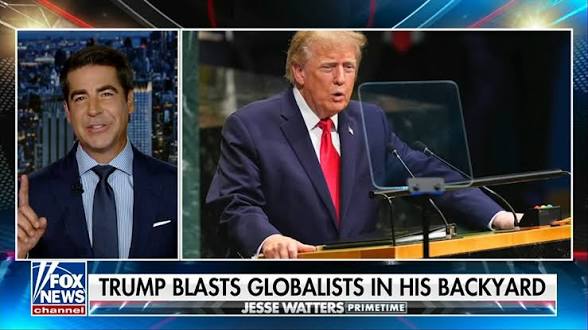
Interestingly, Roberts and the court have not always sided with Trump. In a major 2026 ruling, the Supreme Court rejected Trump-era global tariffs, stating the president lacked authority under emergency economic powers laws to impose sweeping tariffs unilaterally.
That decision surprised many observers and demonstrated that Roberts occasionally prioritizes institutional limits on executive authority over partisan alignment.
Still, Trump’s influence over the court remains undeniable, and the relationship between the former president and the judiciary continues to shape American political debate.
Public Reaction Across the United States
Reaction to the Roberts Court has been deeply divided.
Conservative View
Many conservatives praise Roberts and the court for restoring constitutional originalism and limiting what they view as government overreach. They argue the court is correcting decades of activist judicial decisions and returning power to states and elected lawmakers.
Supporters specifically applaud rulings involving gun rights, religious liberty, and federal agency limitations.
Liberal Criticism
Progressives argue the court is undermining civil rights, reproductive freedom, voting protections, and democratic safeguards.
Some Democratic lawmakers have proposed reforms including:
- Supreme Court term limits
- Ethics rules for justices
- Expanding the number of justices
- Increased transparency requirements
Advocacy groups have also raised concerns about declining public confidence in the court.
How the Roberts Court Is Changing American Democracy
Legal scholars increasingly describe the Roberts Court as one of the most consequential courts since the mid-20th century.
The court’s decisions now influence:
- Election laws
- Presidential authority
- Federal regulations
- Social policy
- Civil rights protections
- Congressional power
Critics argue the court is centralizing too much authority within the judiciary itself, while supporters believe it is properly enforcing constitutional limits on government institutions.
Several upcoming cases involving elections, gun rights, immigration, and executive power are expected to further shape the country ahead of the 2026 election cycle.
The Future of John Roberts and the Supreme Court
At 71 years old, Roberts remains a dominant figure in American law. Analysts believe his leadership will continue to influence constitutional interpretation for years to come.
The chief justice appears increasingly focused on protecting the Supreme Court’s legitimacy amid mounting criticism. His public comments suggest concern about declining trust in democratic institutions and the growing perception that judges act as partisan figures.
However, as the court continues issuing politically explosive decisions, maintaining public confidence may become even more difficult.
Whether history ultimately views Roberts as a defender of constitutional order or as the architect of a powerful conservative judicial revolution will likely depend on how future generations interpret the court’s long-term impact.
FAQs
Who is John Roberts?
John Roberts is the Chief Justice of the United States Supreme Court. He has served since 2005 after being nominated by President George W. Bush.
Why is John Roberts in the news?
Roberts recently defended the Supreme Court against accusations of political bias following controversial rulings on voting rights and other major constitutional issues.
What major decisions has the Roberts Court made?
The Roberts Court has issued landmark rulings involving abortion rights, affirmative action, gun rights, presidential immunity, voting rights, and federal regulatory authority.
What was the recent Voting Rights Act decision?
The Supreme Court ruled against Louisiana’s congressional district map tied to racial redistricting protections, weakening parts of the Voting Rights Act according to critics.
Is the Supreme Court considered political?
Roberts says the court is not political and that justices base decisions on law and the Constitution. Critics, however, argue many recent rulings reflect ideological agendas.
How has Donald Trump influenced the Supreme Court?
Trump appointed three conservative justices, creating the court’s current 6–3 conservative majority and significantly shaping its direction.
What reforms are being proposed for the Supreme Court?
Some lawmakers and advocacy groups support reforms such as term limits, ethics rules, and expanding the number of justices.
How useful was this post?
Click on a star to rate it!
Average rating 0 / 5. Vote count: 0
No votes so far! Be the first to rate this post.
About the Author

usa5911.com
Administrator
Hi, I’m Gurdeep Singh, a professional content writer from India with over 3 years of experience in the field. I specialize in covering U.S. politics, delivering timely and engaging content tailored specifically for an American audience. Along with my dedicated team, we track and report on all the latest political trends, news, and in-depth analysis shaping the United States today. Our goal is to provide clear, factual, and compelling content that keeps readers informed and engaged with the ever-changing political landscape.