DHS Alert: Homeland Security Crackdown Intensifies, Border & Immigration Pressure Grow
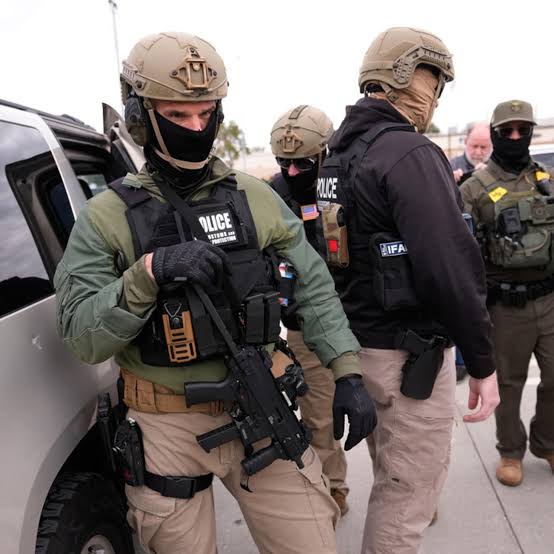
A new DHS alert is dominating headlines across the United States as the Department of Homeland Security (DHS) expands efforts aimed at border security, immigration enforcement, and cooperation with federal authorities. The developments come amid heightened political debate over immigration policies, border management, detention facilities, and enforcement priorities.
Recent statements from DHS leadership indicate that the federal government is considering stronger measures against jurisdictions that refuse to cooperate with immigration enforcement efforts. At the same time, ongoing disputes surrounding detention facilities, deportation policies, and border management continue to shape the national conversation.
As immigration remains one of the most closely watched issues in American politics, DHS actions are attracting attention from lawmakers, advocacy groups, businesses, travelers, and local governments alike.
What Is Behind the Latest DHS Alert?

The latest DHS alert reflects a broader push by Homeland Security officials to strengthen immigration enforcement and increase cooperation between federal agencies and local authorities.
According to recent reports, DHS officials have discussed potential measures involving airports located in jurisdictions commonly referred to as “sanctuary cities.” Homeland Security Secretary Markwayne Mullin has publicly stated that the administration is considering plans that could impact the processing of international travelers and cargo at certain airports if local authorities continue limiting cooperation with federal immigration enforcement efforts.
While no final decision has been announced, the proposal has sparked intense debate because of its potential impact on travel, commerce, and immigration enforcement.
Immigration Enforcement Remains a Top Priority
Immigration enforcement continues to be a central focus of DHS operations.
Federal officials argue that stronger enforcement measures are necessary to maintain border security, reduce unlawful immigration, and ensure compliance with federal laws. Homeland Security leaders have repeatedly emphasized that local cooperation is critical for effective immigration enforcement.
Supporters of the crackdown argue that:
- Federal immigration laws must be consistently enforced.
- Border security remains a national security issue.
- Local governments should cooperate with federal agencies.
- Strong enforcement can deter unlawful immigration.
Critics, however, argue that aggressive enforcement strategies may create challenges for immigrant communities and local governments while increasing tensions between federal and local authorities.
Border Security Pressure Continues to Rise
The DHS alert arrives during a period of sustained focus on border security.
For several years, border management has remained one of the most debated issues in U.S. politics. Successive administrations have implemented various policies designed to address migrant arrivals, asylum claims, and enforcement challenges.
Homeland Security officials maintain that operational pressures at the border require continued enforcement efforts and policy adjustments. Recent DHS communications have highlighted the importance of maintaining border control measures while managing asylum processing and immigration court backlogs.
Border security initiatives often involve:
- Increased surveillance.
- Enhanced screening procedures.
- Expanded enforcement operations.
- Coordination among federal agencies.
- Deportation and removal actions where applicable.
These efforts remain at the center of ongoing legislative and political discussions.
Sanctuary City Debate Intensifies
One of the most controversial aspects of the current DHS alert involves the debate over sanctuary cities.
Sanctuary jurisdictions generally limit cooperation between local law enforcement and federal immigration authorities. Supporters argue such policies improve trust between immigrant communities and local police.
Federal officials, however, contend that these policies can hinder immigration enforcement efforts. Homeland Security leaders have increasingly criticized sanctuary jurisdictions and suggested stronger federal responses may be necessary.
The dispute has evolved into a broader political battle involving:
- Federal authority versus local control.
- Immigration policy priorities.
- Public safety concerns.
- Economic considerations.
- Constitutional and legal questions.
As a result, sanctuary city policies remain a major flashpoint in national politics.
Airport Processing Proposal Sparks Nationwide Attention
Perhaps the most widely discussed element of the DHS alert involves proposals affecting international airport operations.
Reports indicate DHS leadership has considered reducing customs and immigration processing resources at airports located in sanctuary jurisdictions. Such actions could potentially affect international travelers and cargo operations.
Industry groups have raised concerns that any reduction in customs processing capacity could create significant disruptions for:
- Airlines.
- International travelers.
- Cargo operators.
- Tourism industries.
- Local economies.
Travel organizations have warned that major airports play a critical role in the national transportation network and that disruptions could have far-reaching economic consequences.
Supporters of the proposal argue that federal resources should be prioritized in jurisdictions that cooperate with immigration enforcement.
Detention Centers Under Increased Scrutiny
Recent DHS-related controversies have also drawn attention to immigration detention facilities.
The Delaney Hall detention center in New Jersey has become a focal point in the national immigration debate. Reports describe protests, detainee hunger strikes, and disputes regarding facility conditions.
Advocacy organizations and some lawmakers have raised concerns regarding:
- Medical care.
- Living conditions.
- Detainee treatment.
- Processing delays.
- Oversight and accountability.
DHS officials have rejected allegations of widespread mistreatment and maintain that detainees receive appropriate care and services.
The controversy highlights broader questions about detention policies and immigration enforcement practices.
Deportation Policies Continue to Generate Debate
Another important component of the DHS alert involves deportation and removal policies.
Federal officials have emphasized efforts to remove individuals who are considered priorities under immigration law. DHS has also supported legal actions related to deportation authority and detention operations.
Supporters believe stronger deportation measures:
- Reinforce immigration laws.
- Enhance public safety.
- Strengthen border security.
- Deter unlawful entry.
Critics argue that deportation policies should be balanced with due process protections and humanitarian considerations.
This debate is expected to remain central to immigration discussions throughout the coming months.
Political Reactions Across America
The latest DHS alert has generated strong reactions from political leaders across the country.
Republican officials generally support increased immigration enforcement and stronger border security measures. Many argue that federal laws must be enforced consistently and that local governments should cooperate with DHS initiatives.
Democratic leaders have expressed concerns about the potential impact of aggressive enforcement actions, particularly on immigrant communities and local jurisdictions. Some lawmakers have criticized proposals targeting sanctuary cities and airport operations.
As immigration remains a major campaign issue, DHS policies are likely to remain at the forefront of political debates nationwide.
Economic Implications of Homeland Security Actions
The economic impact of DHS enforcement initiatives is receiving increased attention.
Business groups have warned that disruptions to international travel or cargo processing could affect:
- Tourism revenue.
- Supply chains.
- International commerce.
- Local businesses.
- Airport operations.
Industry organizations have expressed concerns that major airport disruptions could create ripple effects throughout the economy.
Meanwhile, supporters argue that effective immigration enforcement ultimately strengthens national security and long-term economic stability.
The debate illustrates the challenge of balancing enforcement objectives with economic considerations.
Public Opinion Remains Divided
Public opinion on immigration enforcement remains deeply divided.
Polling over recent years has shown Americans generally support both stronger border security and legal immigration pathways. However, opinions differ significantly regarding:
- Deportation policies.
- Sanctuary cities.
- Detention facilities.
- Border wall initiatives.
- Federal enforcement authority.
The latest DHS alert reflects these ongoing divisions and underscores how immigration continues to shape national politics.
What Happens Next?
Several developments could determine the future direction of DHS enforcement efforts:
1. Policy Decisions
Federal officials may decide whether to move forward with proposals affecting airport operations and sanctuary jurisdictions.
2. Legal Challenges
Any major policy changes could face court challenges from affected states, cities, businesses, or advocacy groups.
3. Congressional Action
Lawmakers may seek legislative responses addressing immigration enforcement and border security priorities.
4. Public Response
Public reaction and political pressure could influence future DHS decisions.
5. Border Conditions
Changes in migration patterns and border activity may affect enforcement strategies moving forward.
Conclusion
The latest DHS alert highlights a significant moment in America’s ongoing immigration and border security debate. Homeland Security officials are signaling a tougher approach toward immigration enforcement, sanctuary city policies, and federal-local cooperation.
At the same time, critics warn that aggressive measures could create legal, economic, and humanitarian concerns. The controversy surrounding airport operations, detention facilities, deportation policies, and border management demonstrates how immigration remains one of the nation’s most consequential policy issues.
As DHS initiatives continue to evolve, policymakers, communities, businesses, and voters will be closely watching the next steps in this rapidly developing story.
Frequently Asked Questions (FAQs)
What does DHS stand for?
DHS stands for the Department of Homeland Security, the federal agency responsible for border security, immigration enforcement, cybersecurity, and national security coordination.
Why is the latest DHS alert receiving attention?
The alert is linked to increased immigration enforcement efforts, border security initiatives, and proposals affecting sanctuary cities and international airport operations.
What are sanctuary cities?
Sanctuary cities are jurisdictions that limit cooperation between local law enforcement and federal immigration authorities.
Has DHS announced airport restrictions?
Officials have discussed potential plans involving airport processing in sanctuary jurisdictions, but no final nationwide implementation has been announced.
Why are detention facilities in the news?
Recent protests, detainee complaints, and political disputes surrounding detention centers have increased public attention on immigration detention policies.
How could DHS actions affect travelers?
Industry groups have warned that changes to customs and immigration processing at major airports could impact international travel and cargo operations.
What role does DHS play in border security?
DHS oversees border protection, immigration enforcement, customs operations, and related national security functions.
Will immigration remain a major political issue?
Yes. Immigration and border security are expected to remain among the most significant policy issues in upcoming political and legislative debates.
How useful was this post?
Click on a star to rate it!
Average rating 0 / 5. Vote count: 0
No votes so far! Be the first to rate this post.
About the Author

usa5911.com
Administrator
Hi, I’m Gurdeep Singh, a professional content writer from India with over 3 years of experience in the field. I specialize in covering U.S. politics, delivering timely and engaging content tailored specifically for an American audience. Along with my dedicated team, we track and report on all the latest political trends, news, and in-depth analysis shaping the United States today. Our goal is to provide clear, factual, and compelling content that keeps readers informed and engaged with the ever-changing political landscape.