Denaturalization Debate: Citizenship Revoked, Legal Fight, National Tension
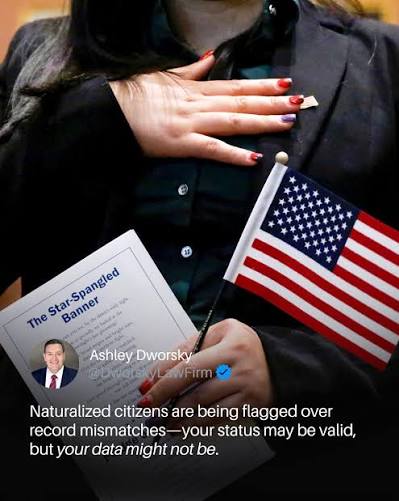
The denaturalization debate has become one of the most controversial legal and political issues in recent months. Across the United States and several other countries, governments are revisiting citizenship laws and expanding efforts to revoke citizenship from naturalized citizens accused of fraud, terrorism, serious crimes, or misrepresentation during the immigration process.
Supporters argue that citizenship should never protect people who obtained it dishonestly. Critics warn that expanding denaturalization powers could create fear, political targeting, and unequal treatment between natural-born and naturalized citizens.
The debate intensified after the U.S. Department of Justice announced a series of new denaturalization cases in 2026 involving allegations of terrorism support, immigration fraud, espionage, and violent crimes.
As courts, lawmakers, activists, and voters react, the issue is becoming a major national conversation about identity, immigration, justice, and constitutional rights.
What Is Denaturalization?
Denaturalization is the legal process through which a government revokes citizenship from a naturalized citizen. Unlike deportation, which removes non-citizens from a country, denaturalization first strips a person of citizenship status.
In most democratic systems, denaturalization usually applies only when citizenship was obtained through fraud, concealment, or false statements during the naturalization process.
For example, authorities may pursue denaturalization if a person:
- Hid criminal activity during immigration screening
- Used a false identity
- Lied about involvement in terrorism or war crimes
- Concealed prior convictions
- Entered into sham marriages for immigration benefits
Governments often argue that citizenship obtained illegally should not remain valid.
However, critics say the process becomes dangerous when definitions expand or political motivations enter the system.
Why the Debate Exploded in 2026
The current controversy grew after the U.S. Justice Department announced new efforts targeting multiple naturalized citizens accused of serious offenses. Officials stated that the actions were meant to “restore integrity” to the immigration system.
The cases reportedly involved allegations including:
- Espionage
- Child sexual abuse
- Terrorist support
- Immigration fraud
- War crimes concealment
- Identity fraud
Federal authorities also confirmed that hundreds of additional cases may be reviewed in the coming months.
The scale of the initiative sparked immediate political and public reaction.
Supporters praised the crackdown as necessary national security enforcement. Critics warned that aggressive denaturalization campaigns could create a “two-tier citizenship system” where naturalized citizens permanently face greater legal vulnerability than citizens born in the country.
The Legal Foundation Behind Denaturalization
Under U.S. immigration law, citizenship can be revoked if prosecutors prove that naturalization was obtained illegally or through willful misrepresentation.
The government carries a very high legal burden in these cases.
A major Supreme Court precedent established that proof must be “clear, unequivocal, and convincing” before citizenship can be revoked.
This high standard exists because courts historically treated citizenship as one of the strongest protections a person can possess.
Legal experts note that denaturalization is intentionally difficult because revoking citizenship can dramatically affect a person’s life, including:
- Deportation risk
- Family separation
- Loss of voting rights
- Employment consequences
- Travel restrictions
- Loss of constitutional protections
Because of these consequences, courts generally require extensive evidence before approving denaturalization.
High-Profile Cases Fueling Public Attention
Several recent cases dramatically increased public interest in the denaturalization debate.
One widely discussed case involves former U.S. diplomat Manuel Rocha, accused of secretly serving as a Cuban agent for decades while holding sensitive government positions. Federal prosecutors are attempting to revoke his citizenship based on alleged deception during the naturalization process.
Another controversial case involves a former Catholic priest accused of concealing serious criminal conduct before becoming a U.S. citizen.
Additional cases involve allegations tied to terrorism support, marriage fraud, and child exploitation crimes.
These cases intensified calls for stricter immigration enforcement while simultaneously raising concerns about how broadly denaturalization powers could eventually be used.
Supporters Say Citizenship Fraud Must Have Consequences
Many supporters of stronger denaturalization enforcement argue that citizenship is a privilege earned through honesty and legal compliance.
They believe individuals who concealed major crimes or security threats should not continue benefiting from citizenship protections.
Supporters often argue that:
- Fraudulent citizenship weakens trust in immigration systems
- National security threats must be addressed aggressively
- Victims deserve accountability
- Immigration laws lose credibility without enforcement
Some officials also claim that stricter enforcement discourages future immigration fraud.
From this perspective, denaturalization is not an attack on immigrants but rather an attempt to maintain fairness and integrity in the citizenship process.
Critics Fear Political Abuse and Civil Rights Risks
Opponents of expanded denaturalization powers argue that the issue goes beyond fraud enforcement.
Civil rights groups warn that broad campaigns could create fear among millions of naturalized citizens who may worry that citizenship is no longer permanent.
Critics raise several concerns:
1. Unequal Citizenship
Natural-born citizens cannot generally lose citizenship in the same way naturalized citizens can.
Critics argue this creates unequal classes of citizenship.
2. Political Weaponization
Some fear future governments could target ideological opponents, activists, journalists, or political critics using expanded denaturalization laws.
Historical examples from multiple countries show that citizenship revocation has sometimes been used against minorities and dissidents.
3. Fear Within Immigrant Communities
Immigration advocates say aggressive rhetoric surrounding denaturalization can create widespread fear even among lawful immigrants who followed all legal procedures.
4. Risk of Statelessness
Human rights experts warn that revoking citizenship can sometimes leave individuals stateless if another country refuses to recognize them as citizens.
The Political Divide Is Growing
The denaturalization debate now reflects a larger political divide over immigration policy and national identity.
Conservative leaders often frame denaturalization as part of broader border security and anti-fraud enforcement.
Progressive groups argue that the issue risks undermining constitutional protections and immigrant trust in democratic institutions.
The issue also intersects with debates involving:
- Border security
- Mass deportation proposals
- Birthright citizenship
- Immigration court reform
- National security policy
- Terrorism prevention
Because immigration remains one of the most emotionally charged political issues, denaturalization discussions quickly become national flashpoints.
Historical Context Matters
Denaturalization is not a new concept.
Historically, governments across the world have revoked citizenship for various reasons, including war, political ideology, fraud, or national security concerns.
In the United States, denaturalization increased during certain periods of political fear, including anti-communist campaigns in the twentieth century.
Courts later imposed stricter standards to prevent abuse.
Legal scholars often point to historical lessons showing how citizenship laws can become tools of political pressure if judicial protections weaken.
That historical memory explains why modern denaturalization efforts trigger strong reactions from civil liberties groups.
International Human Rights Questions
International law recognizes nationality as a fundamental human right.
Human rights organizations argue that governments should use citizenship revocation only in extremely limited situations.
Critics say broad denaturalization policies may violate principles involving:
- Equal protection
- Non-discrimination
- Due process
- Protection from statelessness
Supporters counter that no human right protects fraudulently obtained citizenship.
This clash between security enforcement and civil liberties sits at the center of the modern denaturalization debate.
Social Media and Public Reaction
Social media has dramatically amplified the controversy.
Some online users strongly support tougher action against criminals who lied during immigration processes. Others fear that expanding government power over citizenship creates dangerous precedents.
Public reactions often split along political and ideological lines.
Trending discussions frequently focus on questions such as:
- Should citizenship ever be revocable?
- Can naturalized citizens truly feel secure?
- Where should governments draw the line?
- Could innocent people become targets?
- Does denaturalization improve public safety?
As high-profile cases continue appearing in headlines, online debate remains intense.
How Courts Could Shape the Future
Ultimately, courts will likely determine how far denaturalization powers can expand.
Judges must decide:
- What level of evidence is sufficient
- Whether government actions violate constitutional rights
- How broadly fraud laws should be interpreted
- Whether political motivations affect enforcement
Future Supreme Court decisions could dramatically reshape citizenship protections for generations.
Legal experts expect lengthy court battles as new cases move through the system.
Could the Debate Expand Beyond the United States?
Although current attention focuses heavily on the United States, citizenship revocation debates are happening globally.
Several countries have adopted stricter nationality laws tied to terrorism, foreign conflicts, or dual citizenship issues.
Governments increasingly argue that modern security threats require stronger legal tools.
Critics warn that once citizenship becomes conditional, democratic protections weaken.
This global dimension means the denaturalization debate may continue growing internationally.
The Human Impact Behind the Headlines
Beyond politics and legal arguments, denaturalization cases deeply affect real people and families.
Citizenship often represents:
- Stability
- Identity
- Safety
- Economic opportunity
- Family unity
Losing citizenship can completely change a person’s future.
Families may face separation. Careers may collapse. Long-term residents may suddenly face deportation to countries they barely know.
Even supporters of stricter enforcement often acknowledge the severe human consequences involved.
That emotional reality explains why the issue remains so divisive.
What Happens Next?
The denaturalization debate is unlikely to disappear anytime soon.
With governments increasing enforcement efforts and courts reviewing new cases, public attention will likely continue growing throughout 2026 and beyond.
Future developments may include:
- Expanded federal investigations
- Major Supreme Court rulings
- Congressional immigration battles
- Human rights challenges
- Increased political campaigning around citizenship policy
Whether voters view denaturalization as necessary accountability or dangerous overreach may shape future immigration laws for years to come.
Conclusion
The denaturalization debate sits at the crossroads of immigration, national security, constitutional law, and human rights.
Supporters believe governments must revoke citizenship obtained through fraud or criminal deception. Critics fear that expanding revocation powers threatens democratic principles and creates unequal citizenship protections.
As legal fights intensify and political tensions rise, the debate raises fundamental questions about what citizenship truly means — and whether it should ever be reversible.
The coming years may determine how democracies balance security, justice, and civil liberties in an increasingly polarized political environment.
FAQs
What does denaturalization mean?
Denaturalization is the legal process where a government revokes citizenship from a naturalized citizen, usually because of fraud or misrepresentation during the naturalization process.
Can natural-born citizens be denaturalized?
Generally, natural-born citizens cannot lose citizenship through denaturalization in the same way naturalized citizens can.
Why is denaturalization controversial?
Critics fear it may create unequal citizenship rights, political targeting, and fear among immigrant communities, while supporters argue it protects the integrity of immigration systems.
What crimes can lead to denaturalization?
Cases often involve immigration fraud, terrorism support, espionage, war crimes concealment, identity fraud, or serious criminal activity hidden during naturalization.
Is denaturalization common?
Historically, denaturalization has been relatively rare, but recent government actions suggest enforcement efforts may be expanding.
Can a person become stateless after denaturalization?
In some cases, yes. Human rights groups warn that citizenship revocation can leave people without recognized nationality if another country refuses to accept them.
How useful was this post?
Click on a star to rate it!
Average rating 0 / 5. Vote count: 0
No votes so far! Be the first to rate this post.
About the Author

usa5911.com
Administrator
Hi, I’m Gurdeep Singh, a professional content writer from India with over 3 years of experience in the field. I specialize in covering U.S. politics, delivering timely and engaging content tailored specifically for an American audience. Along with my dedicated team, we track and report on all the latest political trends, news, and in-depth analysis shaping the United States today. Our goal is to provide clear, factual, and compelling content that keeps readers informed and engaged with the ever-changing political landscape.