Abu Bilal Al Minuki: Extremism Allegations, Security Concerns, Global Attention
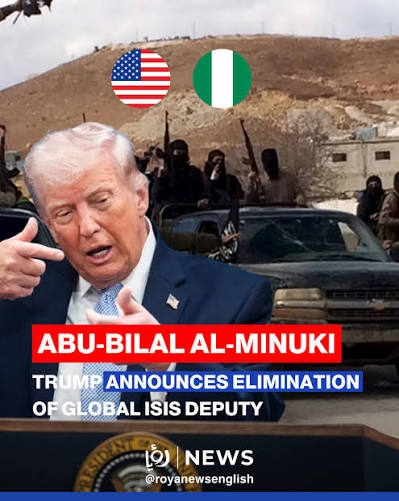
The name Abu Bilal Al Minuki has rapidly gained worldwide attention following reports linking him to high-level extremist operations connected to ISIS activity in Africa and beyond. Security agencies, international governments, and terrorism analysts have increasingly focused on his alleged role within extremist networks operating across the Sahel and West Africa.
Recent military developments involving joint operations between the United States and Nigeria have pushed Abu Bilal Al Minuki into the center of global headlines. Reports suggest he was considered one of the most influential ISIS-linked figures operating in Africa, with intelligence officials describing him as a strategic commander involved in coordination, recruitment, and operational planning.
The growing attention surrounding Abu Bilal Al Minuki reflects broader global concerns about terrorism, regional instability, online radicalization, and international security cooperation. Governments worldwide continue to monitor extremist groups that exploit fragile regions, social unrest, and economic instability to expand influence.
Who Is Abu Bilal Al Minuki?

According to multiple international reports, Abu Bilal Al Minuki was allegedly a senior ISIS-linked operative associated with extremist activities across West Africa. Intelligence assessments reportedly linked him to operational leadership within Islamic State-affiliated organizations in the Lake Chad Basin and neighboring regions.
Security analysts claim Al Minuki operated largely behind the scenes, maintaining a low public profile while allegedly coordinating activities through decentralized extremist networks. This approach reportedly helped him evade capture for years despite international sanctions and intelligence monitoring.
Several reports identified him by another alias, Abu-Mainok, with claims that he previously held connections to Boko Haram factions before aligning with ISIS-affiliated groups.
His alleged rise within extremist circles reflects how terror organizations have evolved in recent years. Instead of centralized structures, many groups now operate through regional affiliates that maintain ideological ties while functioning independently on the ground.
Why Abu Bilal Al Minuki Became a Global Security Concern
Global concern surrounding Abu Bilal Al Minuki stems from allegations that he played a strategic role in coordinating extremist operations across multiple regions. Reports indicated he may have been involved in operational planning, financial coordination, propaganda support, and weapons logistics.
Security experts warn that extremist organizations increasingly rely on experienced regional commanders capable of operating across borders. In fragile regions affected by poverty, political instability, and weak governance, such figures can gain influence rapidly.
The situation also highlights how terrorist organizations continue shifting their operational focus toward Africa. Over the last decade, the Sahel region and parts of West Africa have experienced rising insurgent violence linked to ISIS and al-Qaeda affiliates.
According to analysts, extremist networks exploit several vulnerabilities, including:
- Weak border controls
- Limited military resources
- Political instability
- Economic hardship
- Local grievances
- Online propaganda campaigns
These conditions allow radical groups to recruit fighters, expand territorial influence, and conduct attacks targeting civilians and security forces.
Joint US-Nigeria Military Operation
Global headlines intensified after reports emerged that Abu Bilal Al Minuki had been killed during a joint military operation conducted by American and Nigerian forces. Statements from both governments described the mission as a highly coordinated counterterrorism effort targeting extremist leadership in northeastern Nigeria.
Reports indicated the operation took place in the Lake Chad Basin region, an area long affected by insurgency and militant violence. Nigerian officials described the mission as a major tactical success against ISIS-linked networks operating in the region.
The United States reportedly provided intelligence support, surveillance capabilities, and operational coordination through AFRICOM partnerships. Nigeria’s military conducted ground operations aimed at dismantling extremist compounds and disrupting militant infrastructure.
International observers noted that the operation demonstrates increasing global cooperation against transnational terrorism threats.
ISIS Activity in Africa Continues To Expand
The attention surrounding Abu Bilal Al Minuki also reflects a larger international concern: the growing strength of ISIS-affiliated groups in Africa.
While ISIS lost significant territory in Iraq and Syria years ago, the organization adapted by strengthening regional affiliates in countries experiencing security instability. Africa has become one of the most active fronts in the global fight against extremist violence.
Several regions remain vulnerable, including:
- Northeastern Nigeria
- Niger
- Mali
- Burkina Faso
- Chad
- Somalia
- Mozambique
Security analysts warn that extremist groups increasingly use local conflicts to gain support and establish operational bases.
Reports suggest ISIS affiliates in West Africa have expanded through:
- Kidnapping operations
- Smuggling networks
- Extortion systems
- Illegal taxation
- Propaganda campaigns
- Recruitment through social media
Experts argue that eliminating high-ranking figures like Abu Bilal Al Minuki may disrupt operations temporarily, but broader regional reforms remain essential for long-term stability.
Extremism and Online Radicalization
Modern extremist networks rely heavily on digital communication and online propaganda. Security researchers have repeatedly warned that social media platforms remain a powerful recruitment tool for extremist organizations.
Online radicalization strategies often include:
- Emotional propaganda
- Religious manipulation
- Identity-based narratives
- Anti-government messaging
- Recruitment videos
- Encrypted communication channels
Researchers studying extremist online behavior found that digital ecosystems can accelerate radicalization processes by creating echo chambers and reinforcing ideological narratives.
Counterterrorism agencies now dedicate substantial resources toward monitoring extremist online activity, identifying recruitment patterns, and removing violent propaganda.
The Abu Bilal Al Minuki case demonstrates how modern extremism operates through both physical insurgency and digital influence networks.
International Reactions and Political Responses
International reaction to reports involving Abu Bilal Al Minuki has been swift. Political leaders framed the operation as a significant counterterrorism achievement and a demonstration of international security cooperation.
Nigeria’s leadership praised the joint operation and emphasized continued efforts to combat extremist violence across affected regions. Meanwhile, American officials described the mission as part of broader efforts to weaken ISIS global operations.
However, analysts also caution against viewing the elimination of a single leader as a complete strategic victory.
Terrorist organizations often maintain decentralized structures that allow them to survive leadership losses. Experts say long-term counterterrorism success depends on addressing deeper social and political issues, including:
- Poverty
- Corruption
- Youth unemployment
- Weak institutions
- Regional instability
- Humanitarian crises
Without addressing these root causes, extremist recruitment can continue despite military setbacks.
Humanitarian Impact of Extremist Violence
The conflict involving extremist organizations in West Africa has caused devastating humanitarian consequences over the past decade.
Millions of civilians have been displaced by violence linked to insurgent groups operating across the region. Communities have faced:
- Mass displacement
- Food insecurity
- School closures
- Infrastructure destruction
- Healthcare disruptions
- Civilian casualties
International humanitarian organizations continue working in conflict zones despite significant security risks.
Children and women often face the harshest consequences during prolonged insurgencies. Education access declines sharply, local economies collapse, and communities become vulnerable to further instability.
Counterterrorism experts increasingly argue that humanitarian support must accompany military operations to prevent extremist groups from exploiting local desperation.
Security Challenges Ahead
Despite recent military successes, global security agencies acknowledge that extremist threats remain active across multiple regions.
Analysts believe groups affiliated with ISIS may attempt to reorganize leadership structures after losing senior figures like Abu Bilal Al Minuki. Decentralized terrorist networks often adapt quickly by promoting regional commanders and shifting operational tactics.
Security challenges expected in coming years include:
- Cross-border insurgent movement
- Online recruitment expansion
- Lone-wolf radicalization risks
- Cyber propaganda operations
- Smuggling and financing networks
- Attacks on civilian infrastructure
International cooperation between intelligence agencies, military forces, and cybersecurity experts is expected to remain a major priority.
Media Coverage and Public Attention
The Abu Bilal Al Minuki story has attracted intense international media attention because it combines several high-profile issues:
- Global terrorism
- US military involvement
- African security crises
- ISIS operations
- International intelligence cooperation
News outlets across the world covered the reports extensively, while social media discussions fueled public debate about counterterrorism policies and military intervention strategies.
Public reactions have varied significantly. Some view the operation as a necessary step against extremist violence, while others emphasize the need for broader diplomatic and humanitarian solutions.
The Bigger Picture: Global Counterterrorism Strategy
The case of Abu Bilal Al Minuki highlights how global counterterrorism strategies continue evolving in response to changing threats.
Modern extremist groups no longer rely solely on centralized leadership or territorial control. Instead, they operate through flexible networks spanning multiple countries and digital platforms.
As a result, governments increasingly focus on:
- Intelligence sharing
- Drone surveillance
- Financial tracking
- Cyber monitoring
- International military partnerships
- Counter-radicalization programs
Experts stress that long-term security requires balancing military action with governance reforms and economic development.
The global fight against extremism is no longer confined to one region. Instead, it represents an interconnected challenge involving security, technology, politics, and social stability.
Conclusion
Abu Bilal Al Minuki has become a symbol of the ongoing global struggle against extremist violence and transnational terrorism networks. Reports linking him to ISIS-affiliated operations in Africa have intensified international attention toward security challenges across the Sahel and West Africa.
The reported joint operation involving US and Nigerian forces reflects growing international cooperation aimed at disrupting extremist leadership structures. However, experts continue warning that long-term stability will require more than military operations alone.
Addressing poverty, instability, online radicalization, and weak governance remains essential to preventing extremist organizations from rebuilding influence.
As global counterterrorism efforts evolve, the Abu Bilal Al Minuki case serves as a reminder that modern security threats are increasingly interconnected, decentralized, and global in scope.
FAQs
Who was Abu Bilal Al Minuki?
Abu Bilal Al Minuki was reportedly a senior ISIS-linked extremist figure associated with operations in West Africa and the Lake Chad Basin region.
Why is Abu Bilal Al Minuki in the news?
He gained global attention after reports claimed he was killed during a joint military operation involving US and Nigerian forces.
What were the allegations against Abu Bilal Al Minuki?
Reports linked him to extremist coordination, operational planning, militant recruitment, and ISIS-affiliated activities across Africa.
Where did the military operation take place?
According to reports, the operation occurred in northeastern Nigeria near the Lake Chad Basin region.
Why is ISIS activity increasing in Africa?
Analysts say extremist groups exploit political instability, weak governance, poverty, and regional conflicts to expand influence.
Can eliminating extremist leaders stop terrorism completely?
Security experts say removing leaders can weaken organizations temporarily, but long-term success requires broader social, political, and economic reforms.
How do extremist groups use social media?
Extremist organizations use online platforms for propaganda, recruitment, fundraising, and communication with supporters worldwide.
What role does international cooperation play in counterterrorism?
Countries increasingly share intelligence, conduct joint operations, and coordinate cybersecurity efforts to combat transnational extremist threats.
How useful was this post?
Click on a star to rate it!
Average rating 0 / 5. Vote count: 0
No votes so far! Be the first to rate this post.
About the Author

usa5911.com
Administrator
Hi, I’m Gurdeep Singh, a professional content writer from India with over 3 years of experience in the field. I specialize in covering U.S. politics, delivering timely and engaging content tailored specifically for an American audience. Along with my dedicated team, we track and report on all the latest political trends, news, and in-depth analysis shaping the United States today. Our goal is to provide clear, factual, and compelling content that keeps readers informed and engaged with the ever-changing political landscape.