Patel Bourbon Controversy: Trump Ally’s Brand Push Ignites Online Debate
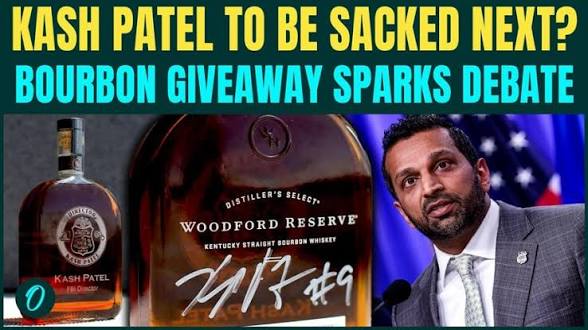
The “Patel Bourbon Controversy” has quickly become one of the most discussed political and social media stories in the United States. Reports alleging that Kash Patel distributed personalized bourbon bottles carrying FBI-themed branding have ignited fierce reactions online, drawing criticism from political opponents while energizing supporters loyal to former President Donald Trump.
The controversy centers around allegations that Patel handed out customized bottles of Woodford Reserve bourbon engraved with phrases such as “Kash Patel FBI Director,” along with symbols resembling official FBI insignia. Critics argue the branding blurred the line between public office and personal promotion, while supporters insist commemorative gifts are common in government circles.
As the story spread across social media platforms, the debate evolved into a broader conversation about political branding, loyalty culture, ethics in government, and the growing overlap between politics and celebrity-style merchandising.
Who Is Kash Patel?
Kash Patel rose to national prominence during the Trump administration. Known for his strong loyalty to Trump and his outspoken criticism of federal institutions, Patel became a key figure within conservative political circles.
Over the years, Patel built a reputation as one of Trump’s most trusted allies. His supporters view him as a political outsider willing to challenge the establishment, while critics accuse him of politicizing federal institutions.
The latest bourbon controversy has once again placed Patel at the center of America’s deeply polarized political environment.
What Sparked the Patel Bourbon Controversy?
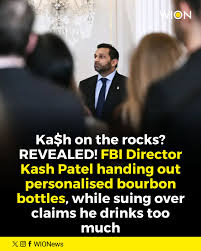
The controversy erupted after reports from multiple media outlets claimed Patel distributed personalized bourbon bottles during official events and meetings. According to reports, the bottles featured customized labels with Patel’s name, stylized branding such as “Ka$h,” and FBI imagery.
Some reports alleged that these bottles were handed to FBI personnel, associates, and civilians during official travel and public appearances. Critics immediately questioned whether such branding crossed ethical boundaries.
The issue gained even more attention because it followed earlier reports alleging Patel faced criticism over his drinking habits and workplace conduct. Patel strongly denied those allegations and reportedly filed a major defamation lawsuit against media organizations involved in the reporting.
As screenshots and photos of the bourbon bottles spread online, social media exploded with memes, political arguments, and intense debate.
Social Media Reactions Explode
The Patel Bourbon Controversy became a trending topic almost instantly. On platforms such as X, Reddit, TikTok, and YouTube, users debated whether the bourbon branding was harmless political memorabilia or inappropriate self-promotion linked to federal authority.
Supporters argued:
- Personalized gifts are common among government officials.
- The outrage is politically motivated.
- Critics are targeting Patel because of his ties to Trump.
- Political merchandise has become normal in modern campaigns.
Meanwhile, critics argued:
- FBI imagery should never be used for personal branding.
- Federal leadership should avoid celebrity-style promotion.
- The optics damage trust in law enforcement institutions.
- The controversy reflects a broader culture of political commercialization.
The clash reflects how political identity increasingly operates like brand loyalty in the digital era.
FBI Responds to the Allegations
The FBI reportedly defended Patel against claims that the bourbon gifts violated ethical rules. Officials stated that commemorative items and personalized gifts have long existed within government culture and insisted Patel followed proper guidelines.
According to reports, FBI representatives claimed any personal gifts provided by Patel were self-funded and consistent with longstanding traditions.
Still, critics remained unconvinced.
Former officials quoted in media reports expressed concern that alcohol-themed branding associated with the FBI created troubling optics for a federal law enforcement agency.
The disagreement highlighted the widening divide over acceptable behavior for public officials in today’s media-driven political environment.
Why the Story Went Viral
Several factors helped the Patel Bourbon Controversy explode online:
1. Trump Connection
Anything connected to Trump allies quickly gains national attention. Patel’s close relationship with Trump amplified media coverage and online discussion.
2. Political Branding
Modern politics increasingly resembles entertainment and influencer culture. Personalized merchandise, slogans, and branding have become central tools for political identity.
3. FBI Imagery
The alleged use of FBI-themed branding elevated the controversy from a simple marketing story into a debate about ethics and institutional credibility.
4. Existing Political Polarization
America’s political divide means nearly every controversy becomes a larger ideological battle.
5. Social Media Algorithms
Platforms reward emotionally charged content. Memes, outrage, and partisan arguments helped the story spread rapidly.
Political Branding in the Trump Era
The Patel Bourbon Controversy also reflects a broader transformation in American politics. During Trump’s rise, political branding became deeply intertwined with merchandise, social media identity, and viral marketing.
Trump himself famously marketed products ranging from steaks to hats and digital collectibles. Many allies adopted similar branding strategies.
Critics argue this trend transforms public service into personal promotion. Supporters counter that politicians have always used branding and memorabilia to build public recognition.
The bourbon controversy became symbolic of this larger cultural shift.
Ethics Questions Continue
One major issue in the debate is whether public officials should use institutional imagery for personalized products.
Ethics experts often warn that government agencies must maintain clear boundaries between public service and personal promotion. Critics say personalized bourbon bottles carrying FBI imagery risk confusing those boundaries.
Others argue the controversy is being exaggerated because commemorative gifts are common across law enforcement and military institutions.
The truth may depend largely on public perception rather than legal technicalities.
Online Culture and Political Controversies
The Patel Bourbon story also demonstrates how quickly controversies evolve online.
Within hours of the first reports:
- Memes flooded social media.
- Political influencers amplified opposing narratives.
- Supporters turned the controversy into a badge of loyalty.
- Critics used it as evidence of institutional decline.
Researchers studying online political discourse have long noted that emotionally polarizing stories spread faster than nuanced analysis.
In modern political culture, perception often matters as much as facts.
The Role of Media Coverage
Media organizations played a major role in amplifying the controversy.
Different outlets framed the story in dramatically different ways:
- Some described the bourbon bottles as evidence of inappropriate behavior.
- Others portrayed the backlash as politically motivated attacks.
- Conservative commentators defended Patel aggressively.
- Liberal critics treated the story as symbolic of larger institutional problems.
This split illustrates how partisan media ecosystems shape public understanding of political controversies.
Supporters Defend Patel
Many conservatives rallied behind Patel after the controversy erupted.
Supporters argued:
- The media unfairly targets Trump allies.
- Personalized gifts are normal.
- Critics ignore similar behavior by other officials.
- The outrage proves Patel threatens the political establishment.
Some online users even praised the bourbon bottles as “cool” memorabilia rather than ethical concerns.
The controversy therefore strengthened Patel’s standing among parts of Trump’s political base.
Critics Warn About Institutional Damage
Critics, however, argued the controversy reflects a troubling shift in political culture.
Some former FBI officials reportedly expressed concern that celebrity-style branding undermines the seriousness of federal law enforcement leadership.
Others warned that personalized branding tied to government authority risks eroding public trust.
For critics, the issue is not simply about bourbon bottles but about the transformation of politics into personal entertainment branding.
The Power of Viral Political Identity
The Patel Bourbon Controversy demonstrates how modern political identity functions online.
Today, political figures are often treated like internet influencers:
- They build personal brands.
- They sell merchandise.
- They cultivate loyal online communities.
- They dominate viral conversations.
In this environment, controversies can actually strengthen political loyalty rather than weaken it.
For supporters, criticism becomes proof that their preferred figure is challenging the establishment. For opponents, each controversy reinforces existing distrust.
Could the Controversy Affect Patel Politically?
It remains unclear whether the bourbon controversy will have lasting political consequences for Patel.
Possible outcomes include:
- Increased scrutiny from critics and media outlets.
- Stronger support among Trump-aligned voters.
- Greater attention on ethics within federal institutions.
- Continued online debate about political branding.
Historically, controversies involving Trump allies often deepen political polarization rather than create consensus.
Broader Questions Raised by the Controversy
The Patel Bourbon story raises larger cultural and political questions:
Should public officials use personalized branding?
Where is the line between memorabilia and self-promotion?
Does viral political culture weaken institutional trust?
Are controversies amplified unfairly through social media?
Has politics become entertainment?
These questions will likely remain relevant long after the immediate controversy fades.
The Future of Political Branding
The Patel Bourbon Controversy may ultimately be remembered less for the bourbon itself and more for what it reveals about modern politics.
American politics increasingly blends:
- Branding
- Social media performance
- Celebrity culture
- Merchandise marketing
- Viral outrage
Whether viewed as harmless promotion or troubling optics, the controversy reflects the realities of today’s digital political landscape.
Conclusion
The Patel Bourbon Controversy has become far more than a debate about customized whiskey bottles. It has evolved into a national conversation about political branding, institutional ethics, online culture, and the growing fusion of politics with influencer-style marketing.
For supporters of Kash Patel, the backlash represents another politically motivated attack against a prominent Trump ally. For critics, the controversy symbolizes deeper concerns about leadership, professionalism, and the commercialization of government institutions.
As the online debate continues, one thing is clear: in the modern political era, branding and controversy are often inseparable.
FAQs
What is the Patel Bourbon Controversy?
The controversy involves reports claiming Kash Patel distributed personalized bourbon bottles featuring FBI-themed branding during official engagements.
Why are people criticizing Kash Patel?
Critics argue the use of FBI-related branding on personalized bourbon bottles may blur ethical boundaries between public office and personal promotion.
Did the FBI defend Kash Patel?
Yes. FBI representatives reportedly stated that commemorative gifts are common and said Patel followed applicable ethical guidelines.
What bourbon brand was involved?
Reports mentioned customized bottles of Woodford Reserve bourbon.
Why did the controversy go viral?
The story involved politics, Trump allies, social media culture, government ethics, and viral branding — all topics that attract massive online attention.
Did Kash Patel respond to the allegations?
Patel reportedly denied allegations connected to the controversy and filed legal action against media organizations over earlier reporting.
How useful was this post?
Click on a star to rate it!
Average rating 0 / 5. Vote count: 0
No votes so far! Be the first to rate this post.
About the Author

usa5911.com
Administrator
Hi, I’m Gurdeep Singh, a professional content writer from India with over 3 years of experience in the field. I specialize in covering U.S. politics, delivering timely and engaging content tailored specifically for an American audience. Along with my dedicated team, we track and report on all the latest political trends, news, and in-depth analysis shaping the United States today. Our goal is to provide clear, factual, and compelling content that keeps readers informed and engaged with the ever-changing political landscape.