Reform UK Surge: Poll Gains, Political Shakeup, Britain Reacts
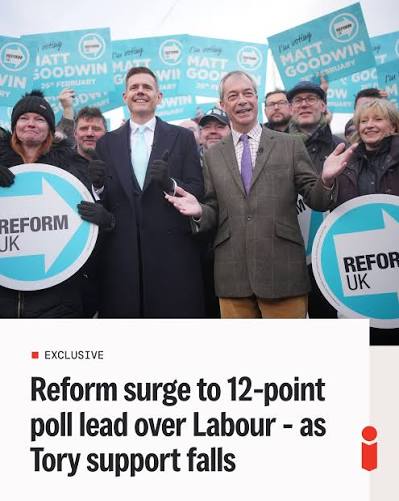
The political landscape in the United Kingdom is changing rapidly, and one party is at the center of the national conversation: Reform UK. Once viewed as a fringe movement connected primarily to Brexit politics, Reform UK is now emerging as a major force capable of reshaping British elections, influencing public debate, and challenging the dominance of both Labour and the Conservatives.
Recent polling trends and local election campaigns have placed Reform UK leader Nigel Farage firmly in the spotlight. Across England and beyond, voters frustrated with immigration issues, economic struggles, rising living costs, and distrust in mainstream politics are increasingly turning toward the populist party.
As Britain heads deeper into a politically volatile era, analysts say Reform UK’s surge may represent the biggest shakeup in UK politics since Brexit itself.
Reform UK’s Rapid Rise in British Politics
Reform UK began as the Brexit Party before rebranding in 2021. Its original purpose centered around ensuring Britain’s exit from the European Union, but the party has since expanded its platform into broader national issues including immigration, taxation, public services, energy policy, and political reform.
Under Nigel Farage’s leadership, Reform UK has grown dramatically in visibility and membership. The party now claims hundreds of councillors and increasing national support.
Farage’s political strategy has focused heavily on appealing to voters who feel abandoned by traditional parties. His messaging targets concerns over:
- Illegal immigration
- Border control
- Economic stagnation
- NHS pressures
- Crime and policing
- Net-zero climate policies
- Distrust in Westminster elites
Many political observers believe Reform UK is pulling support from both Conservative and Labour voters, particularly among working-class communities and Brexit-supporting regions.
Poll Gains Spark Political Alarm
Recent opinion polls and election analyses suggest Reform UK is making significant gains ahead of upcoming UK elections. Some projections indicate the party could win hundreds of council seats and continue climbing nationally.
The rise has caused panic among Britain’s major parties.
For the Conservatives, Reform UK poses a direct threat to right-wing voters dissatisfied with Tory leadership. Several Conservative politicians and supporters fear Farage’s party could split the right-wing vote permanently.
Meanwhile, Labour is also under pressure because Reform UK is attracting working-class voters in northern England and former industrial regions that once strongly supported Labour.
Political commentators increasingly argue that Britain may be moving away from its traditional two-party structure.
Nigel Farage’s Influence on the Surge
No discussion of Reform UK is complete without Nigel Farage. The longtime Brexit campaigner remains one of Britain’s most recognizable and controversial political figures.
Farage’s communication style plays a huge role in Reform UK’s momentum. Supporters view him as direct, anti-establishment, and willing to discuss issues mainstream politicians avoid. Critics accuse him of fueling division and populist anger.
Farage has repeatedly framed Reform UK as a movement against what he calls the “old political order.” Reuters recently described his campaign as a declaration of war against Britain’s political establishment.
His speeches frequently emphasize:
- National sovereignty
- Reduced immigration
- Economic nationalism
- Criticism of global institutions
- Opposition to political correctness
The party’s strong social media presence has also boosted its visibility, especially among younger online audiences.
Immigration Remains the Central Issue
Immigration continues to dominate Reform UK’s political messaging. The party argues that Britain’s immigration system is broken and that mainstream parties have failed to protect borders.
This stance resonates strongly with sections of the electorate concerned about housing shortages, NHS waiting lists, job competition, and national identity.
Reports indicate Reform UK’s electoral rise is closely tied to anti-immigration campaigning.
However, the issue is deeply controversial.
Critics accuse Reform UK of using inflammatory rhetoric and stoking social tensions. Some proposals and statements linked to party figures have sparked backlash from civil rights groups, opposition politicians, and community organizations.
Still, supporters argue the party is simply addressing concerns ignored by Westminster.
Conservative Party Faces Major Threat
Perhaps the biggest impact of Reform UK’s rise is on the Conservative Party.
For years, the Conservatives successfully absorbed many Brexit-supporting voters. But dissatisfaction with economic performance, immigration levels, tax increases, and internal Tory conflicts has weakened that support base.
Reform UK now presents itself as the “real conservative” alternative.
Conservative leader Kemi Badenoch has warned party members against cooperating with Reform UK, even in local politics.
Analysts believe Reform UK’s growth could lead to:
- Vote splitting on the right
- Conservative seat losses
- Leadership instability
- Greater pressure for policy shifts
- Long-term fragmentation of British conservatism
Some political strategists even argue Reform UK could eventually replace the Conservatives as Britain’s dominant right-wing party.
Labour Also Feels the Pressure
While Reform UK is often seen primarily as a threat to Conservatives, Labour is also facing challenges.
Prime Minister Keir Starmer has experienced falling approval ratings amid concerns over the economy, public services, and political controversies.
In several working-class regions, Reform UK is gaining traction among voters who once strongly backed Labour but now feel disconnected from the party.
Farage’s appeal to economic nationalism and anti-establishment frustration has found support among parts of the electorate traditionally considered Labour territory.
This creates a difficult balancing act for Labour:
- Defend progressive values
- Retain moderate voters
- Avoid losing working-class communities
- Counter populist messaging
The party’s response to Reform UK may shape future elections.
Social Media and the Internet Reaction
The Reform UK surge has exploded across social media platforms.
Supporters praise the party for challenging political elites and “saying what others won’t.” Viral videos of Farage speeches regularly generate millions of views online.
Hashtags connected to Reform UK frequently trend during election periods and major political debates.
However, criticism is equally intense.
Opponents accuse the party of encouraging division, fear-based politics, and culture-war rhetoric. Online debates surrounding Reform UK often become highly polarized.
Digital platforms like TikTok, X, Facebook, and YouTube have become major battlegrounds for political influence in Britain, and Reform UK has proven particularly effective in attracting online engagement.
Reform UK Policies Driving Debate
Beyond immigration, Reform UK promotes a range of policies designed to distinguish itself from traditional parties.
Key policy areas include:
Tax Reduction
The party advocates lower taxes to stimulate economic growth and reduce financial pressure on households.
NHS Reform
Reform UK frequently criticizes NHS waiting times and healthcare inefficiency, promising major reforms.
Energy Policy
The party opposes aggressive net-zero climate policies and argues current environmental regulations hurt British businesses and consumers.
Crime and Policing
Farage has promised tougher law enforcement policies and increased police recruitment.
Constitutional Reform
Reform UK also supports changes to Britain’s political system, including reform of the House of Lords and broader institutional changes.
These policies have attracted support from voters seeking dramatic change rather than incremental reform.
Critics Warn About Populism
Despite growing support, Reform UK faces significant criticism from across the political spectrum.
Opponents argue the party’s rhetoric risks increasing social division and political extremism.
Some critics compare aspects of Reform UK’s strategy to populist movements seen in other countries, including supporters of former US President Donald Trump.
There are also concerns about:
- Anti-immigration messaging
- Political polarization
- Culture-war politics
- Public trust in democratic institutions
- Simplified solutions to complex issues
Several controversies involving party figures and candidates have further intensified scrutiny.
However, Reform UK supporters argue establishment parties unfairly attack outsiders who challenge the political system.
Local Elections Could Change Everything
The upcoming local elections are being viewed as a critical test for Reform UK.
Political analysts say strong performances could:
- Legitimize the party nationally
- Expand grassroots influence
- Increase media coverage
- Strengthen fundraising
- Encourage more defections from other parties
Some forecasts suggest Reform UK could make historic gains in councils across England.
Such results would likely intensify debates over the future of British politics and pressure both Labour and Conservatives to rethink their strategies.
Britain’s Political System Faces a New Era
For decades, UK politics revolved largely around Labour and the Conservatives. But recent trends suggest British voters are increasingly willing to support smaller or alternative parties.
The rise of Reform UK reflects broader frustrations including:
- Economic inequality
- Cost-of-living pressures
- Distrust in politicians
- Immigration concerns
- Cultural divisions
- Political fatigue
Whether Reform UK ultimately becomes a lasting political force or peaks as a protest movement remains uncertain.
Yet one thing is clear: Britain’s political landscape is shifting rapidly.
Public Reaction Across Britain
Public reaction to Reform UK’s rise is deeply divided.
Supporters Say:
- The party speaks honestly
- Mainstream politicians ignore ordinary people
- Immigration needs stronger control
- Britain requires political disruption
- Reform UK represents real opposition
Critics Say:
- The party fuels division
- Policies lack practical detail
- Populism creates instability
- Anti-immigration rhetoric is harmful
- Farage prioritizes headlines over solutions
This polarization mirrors wider tensions across British society.
Could Reform UK Win a General Election?
At present, Reform UK still faces major challenges before it could realistically form a government.
Britain’s first-past-the-post electoral system makes it difficult for smaller parties to win large numbers of parliamentary seats.
However, even without outright victory, Reform UK could still dramatically influence British politics by:
- Splitting votes
- Forcing policy shifts
- Influencing debates
- Changing coalition possibilities
- Reshaping the Conservative Party
Some analysts compare the current moment to the political upheaval that preceded Brexit.
The Future of Reform UK
The next few years could determine whether Reform UK becomes:
- A lasting major political party
- A powerful opposition force
- A pressure group reshaping policy
- Or a temporary populist movement
Much will depend on:
- Election results
- Economic conditions
- Immigration trends
- Labour’s popularity
- Conservative recovery efforts
- Nigel Farage’s leadership
For now, the party’s rise has already changed Britain’s political conversation.
FAQs
What is Reform UK?
Reform UK is a British political party led by Nigel Farage. It focuses on immigration control, tax reduction, political reform, and anti-establishment policies.
Why is Reform UK gaining popularity?
The party is benefiting from voter frustration over immigration, the economy, cost-of-living pressures, and dissatisfaction with mainstream political parties.
Is Reform UK replacing the Conservatives?
Not yet, but some analysts believe Reform UK could weaken or reshape the Conservative Party significantly in future elections.
What does Nigel Farage want?
Farage says he wants to “fix broken Britain” through tougher immigration policies, lower taxes, political reform, and reduced government bureaucracy.
What are critics saying about Reform UK?
Critics argue the party uses divisive rhetoric and populist politics that may increase polarization in Britain.
Can Reform UK win a UK general election?
Winning outright would be difficult under Britain’s electoral system, but Reform UK could still heavily influence future elections and national policies.
Why are local elections important for Reform UK?
Strong local election results would boost the party’s credibility, visibility, and political influence across Britain.
How useful was this post?
Click on a star to rate it!
Average rating 0 / 5. Vote count: 0
No votes so far! Be the first to rate this post.
About the Author

usa5911.com
Administrator
Hi, I’m Gurdeep Singh, a professional content writer from India with over 3 years of experience in the field. I specialize in covering U.S. politics, delivering timely and engaging content tailored specifically for an American audience. Along with my dedicated team, we track and report on all the latest political trends, news, and in-depth analysis shaping the United States today. Our goal is to provide clear, factual, and compelling content that keeps readers informed and engaged with the ever-changing political landscape.