Netanyahu Move: War Strategy, Global Pressure, Israel on Edge
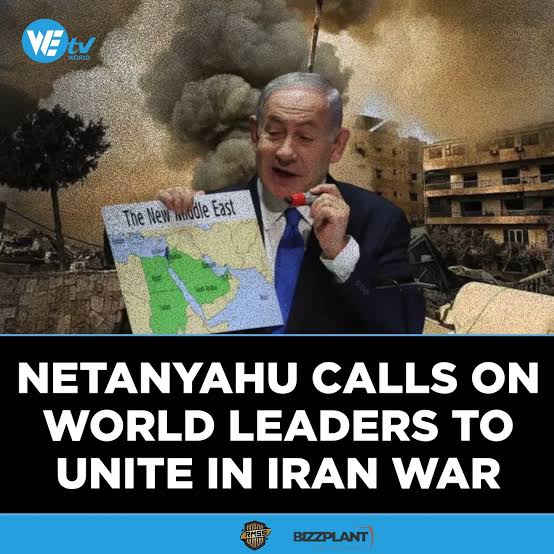
The latest move by Israeli Prime Minister Benjamin Netanyahu has placed Israel at the center of one of the most intense geopolitical crises in decades. As the region faces escalating hostilities involving Iran, Lebanon, and militant groups, the world is watching closely to understand how Netanyahu’s war strategy will shape the future of the Middle East.
Israel’s security decisions, military actions, and diplomatic responses have triggered both domestic support and global criticism. Rising tensions along the Lebanon border and continued operations against Iranian-linked targets have intensified international concern. Meanwhile, global leaders continue to push for ceasefires and negotiated settlements to avoid further regional escalation.
Recent developments show that Israel remains deeply engaged in military operations, even as diplomatic channels attempt to stabilize the situation. Reports indicate that ceasefire arrangements remain fragile, with militant groups rejecting them and ongoing strikes continuing across contested areas.
This article explores Netanyahu’s strategy, global reactions, domestic pressure, and what lies ahead for Israel and the wider region.
Netanyahu’s War Strategy: A Multi-Front Approach
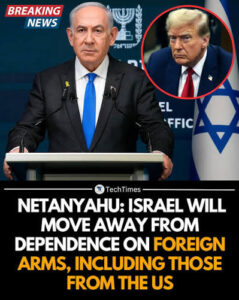
Israel’s current war strategy reflects a shift toward multi-front engagement. Military planners have focused on neutralizing perceived threats from Iran and allied groups such as Hezbollah operating in Lebanon.
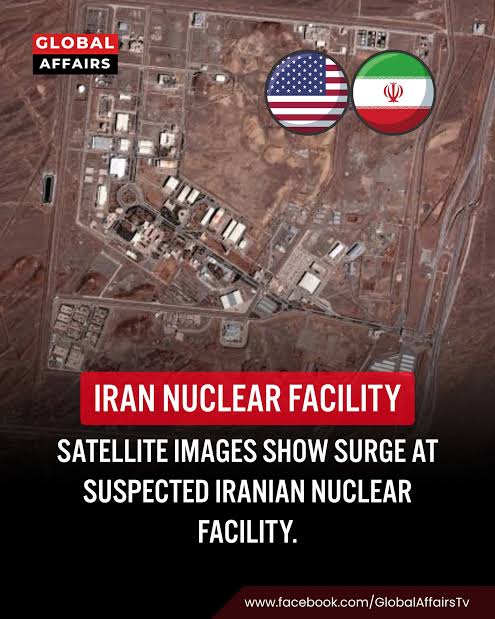
The Israeli government has repeatedly justified military operations as necessary for national survival. Officials argue that Iranian missile capabilities and proxy networks pose a direct existential threat to Israel’s security. Strategic planning has therefore centered on dismantling these networks before they expand further.
Key Strategic Elements
- Preemptive Strikes
Israeli forces have launched coordinated attacks targeting military infrastructure believed to support Iranian-linked operations. - Buffer Zones
Military operations in southern Lebanon aim to create defensive buffer zones to reduce cross-border attacks. - Intelligence-Driven Warfare
Advanced intelligence and technology-driven targeting systems are central to Israel’s operational planning. - Regional Deterrence
The strategy seeks to demonstrate strength to discourage future aggression from hostile actors.
Military analysts suggest this approach reflects long-standing Israeli doctrine emphasizing deterrence through overwhelming force when necessary.
However, critics argue that prolonged military campaigns risk escalating conflict rather than containing it.
Rising Global Pressure on Israel
As Israeli operations intensify, international pressure has grown. Governments across Europe, Asia, and the Middle East have called for restraint and renewed diplomatic negotiations.
The United Nations and several regional powers have expressed concern over civilian casualties and infrastructure damage resulting from sustained military actions. Major global economies have also warned that prolonged conflict could destabilize energy markets and disrupt global trade routes.
Reports indicate that Israeli airstrikes in Lebanon caused significant casualties and destruction within minutes during recent operations, underscoring the severity of the conflict.
Diplomatic Challenges
Israel faces increasing diplomatic challenges, including:
- Calls for ceasefires
- Pressure to withdraw from contested zones
- Negotiations mediated by global powers
- Criticism from humanitarian organizations
Some ceasefire agreements brokered by international actors have struggled to hold, with militant groups dismissing them as ineffective.
This fragile diplomatic environment highlights the complexity of balancing national security with international expectations.
Domestic Pressure Inside Israel
While global scrutiny continues, Netanyahu also faces mounting pressure at home. Israeli society remains divided over the long-term direction of the war.
Some citizens support continued military operations, believing they are essential for national survival. Others argue that extended conflict places enormous strain on the economy, military personnel, and civilian life.
Recent studies show growing “strategic fatigue” among segments of the population, even as public backing for security operations remains strong.
Political Factors
Domestic politics play a major role in shaping Netanyahu’s decisions:
- Upcoming elections heighten political stakes
- Opposition parties demand accountability
- Military performance influences public opinion
- National security concerns dominate policy debates
Analysts suggest that war dynamics may influence election outcomes and leadership stability in the coming months.
Health Disclosure Adds New Dimension
In a surprising development, Netanyahu recently disclosed that he underwent treatment for early-stage prostate cancer. The revelation came after he delayed sharing the diagnosis due to security concerns during wartime.
According to official reports, the condition was successfully treated using targeted radiation therapy, and the Prime Minister remains in good health.
This announcement introduced an additional layer of public attention to Israel’s leadership during a time of intense military activity.
Regional Escalation: Lebanon and Beyond
One of the most volatile aspects of the current conflict involves Israel’s northern border with Lebanon. Clashes between Israeli forces and Hezbollah fighters have intensified, increasing fears of a broader regional war.
Recent strikes and counterattacks have resulted in casualties and displacement on both sides of the border. Despite ceasefire discussions, fighting has continued, with militants rejecting agreements negotiated by outside powers.
Strategic Importance of Lebanon
Southern Lebanon holds significant strategic value:
- Serves as a launch point for militant attacks
- Provides access to key geographic positions
- Influences regional military balance
Israeli military operations in areas such as Bint Jbeil aim to secure territory and disrupt enemy logistics networks.
However, sustained fighting raises the risk of escalation involving additional regional actors.
The Role of Global Allies
Israel’s relationship with major global powers remains critical in shaping the conflict’s trajectory.
The United States has maintained strong strategic cooperation with Israel, including military support and diplomatic backing. Large-scale military deployments in the region demonstrate the seriousness of the situation.
Recent reports indicate significant U.S. military assets, including advanced aircraft and naval forces, were deployed to support regional operations.
International Support and Risks
While allies provide military and diplomatic support, their involvement also carries risks:
- Increased regional tensions
- Potential escalation with Iran
- Economic repercussions
- Diplomatic fallout with neutral nations
Some analysts believe continued support from allies strengthens Israel’s military position but complicates peace negotiations.
Economic and Humanitarian Consequences
The conflict’s economic impact extends beyond Israel and neighboring nations. Rising tensions threaten global energy supply routes, particularly those passing through the Middle East.
Humanitarian organizations warn of severe consequences for civilians, including displacement, infrastructure damage, and shortages of essential resources.
Key Humanitarian Concerns
- Civilian casualties
- Destruction of infrastructure
- Displacement of families
- Limited access to medical services
International agencies continue to call for humanitarian corridors and emergency aid deliveries to affected populations.
Media Narratives and Information Warfare
Modern conflicts are not fought solely on battlefields. Information warfare plays a significant role in shaping public opinion and influencing global narratives.
Social media platforms have become major battlegrounds for messaging campaigns, propaganda, and misinformation.
Research shows coordinated messaging networks often amplify emotional narratives during conflicts, influencing public perception worldwide.
Governments and media outlets therefore face increasing pressure to verify information before dissemination.
What Netanyahu’s Move Means for the Future
Netanyahu’s strategic decisions are likely to shape the Middle East’s political landscape for years to come.
Experts predict several possible outcomes:
Scenario 1: Prolonged Conflict
If hostilities continue, the region could face extended instability and economic disruption.
Scenario 2: Negotiated Settlement
Diplomatic breakthroughs could lead to partial ceasefires or long-term peace agreements.
Scenario 3: Regional Escalation
Wider involvement from regional actors could trigger broader military confrontation.
Each scenario carries significant risks and consequences for global security.
Global Reaction and Public Opinion
Public opinion across the world remains divided. Some countries support Israel’s right to self-defense, while others call for immediate cessation of hostilities.
International demonstrations, diplomatic debates, and policy shifts reflect growing global attention to the conflict.
Political analysts warn that global perception of the war could influence future alliances and trade relations.
The Road Ahead for Israel
Israel now faces one of the most challenging periods in its modern history. The outcome of Netanyahu’s strategy will depend on military performance, diplomatic success, and domestic stability.
Experts believe Israel’s long-term security strategy must balance strength with diplomacy to maintain regional stability.
The coming months are expected to bring critical developments that will determine whether the conflict escalates or moves toward resolution.
FAQs
1. What is Netanyahu’s current war strategy?
Netanyahu’s strategy focuses on multi-front military operations targeting Iranian-linked groups, strengthening border defenses, and maintaining regional deterrence.
2. Why is global pressure increasing on Israel?
Global pressure is rising due to civilian casualties, infrastructure damage, and fears that continued conflict could destabilize regional security and global markets.
3. Is the conflict limited to Israel and Lebanon?
No. The conflict involves broader regional tensions, including Iran and other allied groups, making escalation a major concern.
4. How has Netanyahu’s health affected the situation?
Netanyahu disclosed successful treatment for early-stage prostate cancer but confirmed he remains fit to lead during the ongoing conflict.
5. What role does the United States play?
The United States provides military support and diplomatic backing, significantly influencing regional security dynamics.
6. Could the conflict expand further?
Yes. Analysts warn that continued fighting could draw in additional regional actors, increasing the risk of a larger war.
SEO Optimization Notes (For Your Publishing)
SEO Score Tips:
- Focus keyword density: ~1–1.3%
- Use keyword in H1, H2s, intro, and conclusion
- Internal links recommended to related Israel or Middle East articles
- Add 1–2 authoritative outbound links
- Use schema markup for FAQs
Readability Tips:
- Average sentence length: 14–18 words
- Paragraph length: 2–4 lines
- Subheadings every 150–200 words
How useful was this post?
Click on a star to rate it!
Average rating 0 / 5. Vote count: 0
No votes so far! Be the first to rate this post.
About the Author

usa5911.com
Administrator
Hi, I’m Gurdeep Singh, a professional content writer from India with over 3 years of experience in the field. I specialize in covering U.S. politics, delivering timely and engaging content tailored specifically for an American audience. Along with my dedicated team, we track and report on all the latest political trends, news, and in-depth analysis shaping the United States today. Our goal is to provide clear, factual, and compelling content that keeps readers informed and engaged with the ever-changing political landscape.