Jim Jordan: Subpoena Fight, DOJ Clash, FBI Scrutiny, Hearing Showdown

Few figures in modern U.S. politics command as much attention during congressional oversight battles as Jim Jordan. Known for his combative questioning style and leadership role in investigations targeting federal agencies, Jordan has become a central figure in disputes involving the Department of Justice (DOJ) and the Federal Bureau of Investigation (FBI).
Over the past two years, Jordan’s efforts to subpoena officials and demand records have triggered intense legal and political clashes. These confrontations have centered on allegations of government overreach, disputes over investigative independence, and high-stakes congressional hearings involving key figures such as Jack Smith.
This article explores the full scope of the subpoena fight, DOJ clash, FBI scrutiny, and hearing showdown that define Jordan’s current political role.
Background: Who Is Jim Jordan?
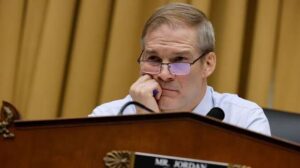
Jim Jordan is a Republican congressman from Ohio who serves as a leading voice on government oversight. He has chaired major investigative committees and has played a prominent role in probing federal agencies.
Jordan rose to national prominence through his aggressive defense of conservative policy positions and his criticism of federal law enforcement institutions. As chairman of the House Judiciary Committee and related investigative panels, he has used subpoena authority to pursue documents and testimony from federal officials.
Jordan also chaired the House Judiciary Select Subcommittee on the Weaponization of the Federal Government, which investigated alleged misuse of federal power against political opponents.
These roles positioned him at the center of disputes involving national security, election investigations, and surveillance programs.
The Subpoena Fight: A Defining Moment
One of the most significant developments in the political showdown involved Jordan’s decision to subpoena former Special Counsel Jack Smith.
Why the Subpoena Happened
Jordan and his allies sought answers regarding investigations into former President Donald Trump. These investigations had led to multiple indictments, increasing tensions between Congress and federal prosecutors.
In December 2025, Jordan issued a subpoena requiring Smith to testify and provide documents related to his investigations.
The subpoena required:
- Delivery of documents prior to testimony
- A closed-door deposition
- Additional material disclosures related to federal prosecutions
Smith ultimately appeared before the House Judiciary Committee, where he testified that the decision to bring charges was his alone and not politically motivated.
Political Fallout
The subpoena sparked intense debate among lawmakers. Critics argued the move risked politicizing criminal investigations, while supporters claimed it represented legitimate oversight.
Democratic lawmakers questioned the format of the closed-door testimony, suggesting it could allow selective interpretation of evidence.
DOJ Clash: Oversight vs Independence
The conflict between Jordan and the DOJ became one of the most heated institutional battles in Washington.
Tensions Over Testimony
Jordan pushed for broader testimony from federal officials involved in major investigations.
Reports indicate he pressed for:
- Access to investigative records
- Testimony from prosecutors
- Internal DOJ communications
At times, DOJ officials argued that releasing certain materials could compromise ongoing investigations or violate federal legal standards.
This tension reflects a broader constitutional conflict between congressional oversight powers and prosecutorial independence.
FBI Scrutiny: Surveillance and Accountability
Jordan has also been highly critical of FBI surveillance practices, particularly those conducted under Section 702 of U.S. surveillance law.
Key Allegations
Jordan cited instances of improper searches involving Americans in federal databases. He referenced reports indicating that the FBI conducted thousands of unauthorized queries.
These concerns led to legislative proposals requiring warrants before certain surveillance actions could be carried out.
Congressional Hearings
In hearings focused on surveillance oversight, Jordan questioned whether intelligence agencies had abused their authority.
Key topics included:
- Data privacy protections
- Surveillance reform
- Constitutional safeguards
The hearings became a focal point in national debates about balancing security and civil liberties.
Hearing Showdowns: High-Stakes Testimony
Congressional hearings led by Jordan often draw national attention due to their confrontational tone and political significance.
Jack Smith Testimony
The testimony of Jack Smith marked one of the most high-profile hearing events.
Smith testified that:
- His decisions were based on evidence
- No political direction influenced the charges
- Federal procedures were followed
These hearings were widely viewed as a turning point in the oversight battle between Congress and federal prosecutors.
Recent reporting indicates Smith’s testimony before lawmakers centered on defending the integrity of federal investigations and explaining their legal foundation.
The Broader Political Context
Jordan’s oversight campaigns unfolded during a period of heightened political polarization.
Trump Investigations
The investigations into Donald Trump became a central issue driving congressional action.
Smith’s cases included:
- Handling of classified documents
- Efforts to overturn the 2020 election
These cases resulted in indictments that were later dropped after Trump’s election victory, consistent with Justice Department policies regarding sitting presidents.
Impact on Congressional Authority
Jordan’s actions have reshaped how Congress uses subpoenas in oversight battles.
Expansion of Investigative Power
Congressional committees gained renewed visibility as tools of political accountability.
Key outcomes included:
- Increased reliance on subpoenas
- Heightened public attention to hearings
- Growing tensions with federal agencies
Some analysts argue these developments strengthen legislative oversight, while others warn of potential abuse.
Legal Challenges and Court Battles
Several legal disputes emerged from Jordan’s oversight efforts.
Compliance Disputes
Federal agencies occasionally resisted subpoenas, citing:
- Executive privilege
- Ongoing investigations
- National security concerns
These disputes sometimes required judicial intervention to determine whether Congress had authority to access certain records.
Constitutional Questions
Legal scholars continue debating how far Congress can go in compelling testimony from prosecutors and investigators.
This debate remains unresolved and continues to shape future oversight strategies.
Media Coverage and Public Perception
Media coverage of Jordan’s hearings has been extensive and often polarized.
Supporters view him as:
- A watchdog protecting civil liberties
- A defender of transparency
Critics describe him as:
- A partisan actor
- A disruptor of legal norms
This divide reflects broader political divisions in the United States.
The Role of the FBI in the Spotlight
The FBI has remained at the center of scrutiny throughout these investigations.
Jordan has repeatedly questioned whether intelligence agencies have exercised excessive authority in surveillance operations.
These concerns have led to calls for reforms affecting:
- Data collection rules
- Oversight mechanisms
- Transparency standards
The debate continues to evolve as lawmakers consider legislative changes.
Future Implications
The outcome of Jordan’s battles with federal agencies could shape U.S. governance for years to come.
Potential future developments include:
- New surveillance reforms
- Revised subpoena procedures
- Expanded congressional oversight authority
These changes may redefine the relationship between Congress and federal law enforcement.
Political Ramifications
Jordan’s oversight strategy has strengthened his influence within his political party.
His role in high-profile hearings has positioned him as:
- A key Republican leader
- A central figure in oversight debates
- A powerful voice on federal accountability
This visibility could influence future leadership roles and legislative priorities.
Public Debate: Oversight vs Political Conflict
The ongoing clashes highlight deeper philosophical differences about government power.
Supporters argue oversight is essential to democracy.
Critics warn that excessive investigations risk undermining institutional independence.
This tension remains unresolved.
Timeline of Major Events
Here is a simplified timeline of major developments:
2023–2024
Oversight investigations into federal agencies intensify.
December 2025
Jordan subpoenas Special Counsel Jack Smith.
December 17, 2025
Smith testifies in closed-door deposition.
January 2026
Public testimony and continued scrutiny dominate headlines.
The Constitutional Debate
The clash between congressional oversight and prosecutorial independence raises important constitutional questions.
These include:
- How far Congress can compel testimony
- Whether prosecutors can refuse disclosure
- How courts balance competing powers
Legal experts predict ongoing litigation in future cases.
Global Relevance
Although the issue is rooted in U.S. politics, it has international implications.
Democratic systems worldwide face similar challenges involving:
- Government transparency
- Institutional independence
- Political accountability
Observers abroad are watching closely to see how these conflicts are resolved.
Conclusion
The story of Jim Jordan is inseparable from the evolving relationship between Congress, the DOJ, and the FBI.
Through subpoena battles, heated hearings, and institutional clashes, Jordan has emerged as a defining figure in modern congressional oversight.
Whether viewed as a defender of accountability or a partisan challenger to federal institutions, his actions continue to shape the political landscape.
The ongoing showdown between lawmakers and federal agencies is far from over—and its outcome may redefine the limits of government power in the United States.
FAQs
1. Who is Jim Jordan?
Jim Jordan is a Republican congressman from Ohio known for leading congressional investigations and oversight efforts involving federal agencies.
2. Why did Jim Jordan subpoena Jack Smith?
Jordan subpoenaed Jack Smith to obtain testimony and documents related to investigations into former President Donald Trump.
3. What role does the DOJ play in this conflict?
The Department of Justice is responsible for federal prosecutions and has resisted some congressional requests to protect ongoing investigations.
4. Why is the FBI under scrutiny?
Jordan has criticized FBI surveillance practices, citing improper database searches involving U.S. citizens.
5. What is the significance of congressional hearings?
Hearings allow lawmakers to question officials and gather evidence related to federal operations.
6. Are these disputes common?
Yes. Conflicts between Congress and federal agencies have occurred throughout U.S. history, particularly during politically sensitive investigations.
7. What happens next?
Future developments may include additional hearings, legal rulings, and legislative reforms affecting federal oversight.
How useful was this post?
Click on a star to rate it!
Average rating 0 / 5. Vote count: 0
No votes so far! Be the first to rate this post.
About the Author

usa5911.com
Administrator
Hi, I’m Gurdeep Singh, a professional content writer from India with over 3 years of experience in the field. I specialize in covering U.S. politics, delivering timely and engaging content tailored specifically for an American audience. Along with my dedicated team, we track and report on all the latest political trends, news, and in-depth analysis shaping the United States today. Our goal is to provide clear, factual, and compelling content that keeps readers informed and engaged with the ever-changing political landscape.