Iran terror cell : UAE crackdown, Hezbollah link, security shock
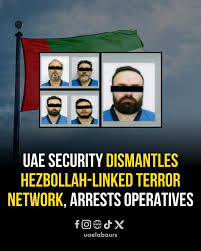
The discovery of an alleged Iran-linked terror cell in the United Arab Emirates (UAE) has triggered a wave of global concern, raising fears about regional security, covert operations, and geopolitical escalation. Authorities in the UAE recently announced the dismantling of a clandestine network reportedly tied to Iran and the Lebanese militant group Hezbollah, marking a significant development in the already volatile Middle East landscape.
This incident comes at a time when tensions between Iran, Gulf nations, and Western powers are at a peak due to ongoing military conflicts and strategic rivalries. The crackdown not only highlights the UAE’s internal security vigilance but also underscores the broader threat of proxy networks operating across borders.
Background: Rising Middle East Tensions
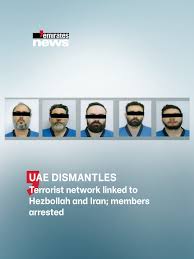
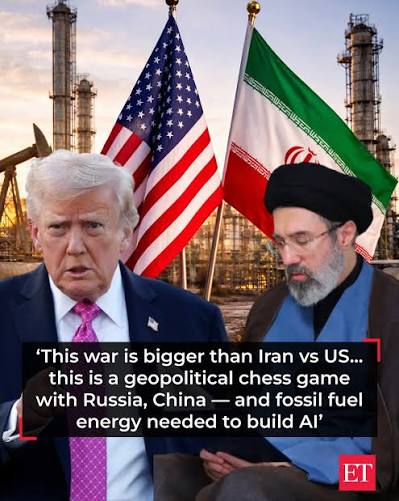
The uncovering of this terror cell cannot be viewed in isolation. It is deeply connected to the wider geopolitical crisis engulfing the region, particularly the escalating confrontation involving Iran, the United States, and its allies.
Since early 2026, the region has witnessed intense military exchanges, including missile strikes, drone attacks, and cyber warfare. Gulf nations, including the UAE, have been directly affected by these developments, facing both external attacks and internal security risks.
The UAE, a key economic and strategic hub, has increasingly become a focal point due to its proximity to Iran and its alignment with Western and regional allies. This makes it a potential target for covert operations aimed at destabilization.
Details of the UAE Crackdown
According to official statements, UAE security forces dismantled a network operating under the guise of legitimate commercial activities. The group allegedly engaged in financial operations designed to infiltrate the national economy and support external agendas threatening state security.
Authorities reported that:
The network had links to Iran-backed entities.
Members were involved in illicit financial activities, including money laundering.
The operation was intended to undermine economic and national security.
This decisive action reflects the UAE’s zero-tolerance approach toward terrorism and foreign interference. It also highlights the increasing sophistication of such networks, which often operate through front companies and financial channels.
Hezbollah Connection: A Key Concern
One of the most alarming aspects of the case is the alleged connection to Hezbollah, a powerful organization with both political and military influence in Lebanon.
Hezbollah has long been accused by Western and Gulf nations of acting as a proxy for Iran, extending its influence across the Middle East. Its involvement in conflicts in Syria, Iraq, and Yemen has already established its role as a major regional actor.
The UAE’s claim that the dismantled network had Hezbollah links raises critical questions:
Was the group planning attacks or intelligence operations?
How deep are Hezbollah’s networks within Gulf states?
What role does Iran play in coordinating such activities?
Experts suggest that such networks are often used for:
Intelligence gathering
Financial support for militant activities
Recruitment and logistics coordination
Iran’s Strategic Playbook
Iran has historically relied on a network of allied groups and proxy organizations to extend its influence without direct military engagement. This strategy allows Tehran to project power while maintaining plausible deniability.
In the current geopolitical climate, Iran’s use of proxy networks has reportedly intensified, especially amid its confrontation with the US and its allies.
These networks serve multiple purposes:
Expanding regional influence
Countering adversaries indirectly
Creating pressure points in strategic locations
The alleged terror cell in the UAE fits into this broader pattern, highlighting how economic hubs can become targets for covert operations.
Security Implications for the UAE
The discovery of this network represents a significant security challenge for the UAE. As a global financial center, the country relies heavily on stability and investor confidence.
Key implications include:
1. Economic Security Threats
The use of commercial fronts suggests attempts to infiltrate financial systems, potentially disrupting markets and investor trust.
2. Internal Security Risks
Such networks can act as sleeper cells, capable of executing operations when activated.
3. Increased Surveillance and Regulation
The UAE is likely to strengthen monitoring of financial transactions, business registrations, and foreign entities.
Regional Impact: Gulf Nations on Alert
The UAE is not alone in facing such threats. Other Gulf countries, including Kuwait, Bahrain, and Qatar, have also reported dismantling similar networks linked to Iran and Hezbollah.
This indicates a broader regional pattern:
Coordinated efforts across multiple countries
Expansion of covert networks
Increased intelligence cooperation among Gulf states
The situation has prompted:
Heightened security measures
Intelligence sharing agreements
Joint counter-terrorism initiatives
Global Reactions and Concerns
The international community has responded with concern to the UAE’s announcement. Western nations, already wary of Iran’s regional activities, view this development as further evidence of destabilizing behavior.
At the same time, the incident adds complexity to ongoing diplomatic efforts aimed at de-escalating tensions in the Middle East.
The United Nations has also expressed concerns about the broader conflict, warning that continued escalation could have severe global consequences, including economic disruption and humanitarian crises.
Link to Ongoing Conflict
The timing of the crackdown is significant. It comes amid an intense regional conflict involving Iran and its adversaries, which has already impacted global energy markets and security dynamics.
Recent developments include:
Attacks on Gulf energy infrastructure
Rising oil prices
Disruptions in global supply chains
These factors create an environment where covert operations and proxy activities are more likely to occur, as states seek strategic advantages.
UAE’s Broader Crackdown on Iran-linked Entities
The dismantling of the terror cell is part of a wider effort by the UAE to curb Iran-linked activities within its borders.
Recent measures include:
Closure of institutions linked to Iranian interests
Increased scrutiny of financial networks
Tightening of regulatory frameworks
Reports indicate that even cultural and social institutions have come under review amid concerns over misuse for political or strategic purposes.
The Role of Intelligence and Surveillance
The successful dismantling of the network highlights the importance of intelligence and surveillance in modern counter-terrorism efforts.
Key factors contributing to the operation likely include:
Advanced monitoring technologies
International intelligence cooperation
Financial tracking systems
These tools enable authorities to detect suspicious activities before they escalate into major threats.
Future Risks and Challenges
Despite the success of this crackdown, the threat is far from over. Experts warn that:
Similar networks may still be active
Terror groups are becoming more sophisticated
Cyber and financial warfare will play a larger role
The challenge for the UAE and its allies will be to stay ahead of these evolving threats while maintaining economic openness.
Conclusion
The exposure of an alleged Iran-linked terror cell in the UAE marks a critical moment in the ongoing struggle for regional security. With connections to Hezbollah and broader geopolitical implications, the incident underscores the complex and interconnected nature of modern conflicts.
As tensions continue to rise in the Middle East, the importance of vigilance, cooperation, and strategic planning cannot be overstated. The UAE’s swift action sends a strong message: threats to national security will be met with decisive force.
However, the broader challenge remains—ensuring stability in a region where covert operations, proxy conflicts, and geopolitical rivalries continue to shape the future.
FAQs
1. What is the Iran terror cell uncovered in the UAE?
The UAE dismantled a network allegedly linked to Iran and Hezbollah, involved in financial and covert activities threatening national security.
2. What role does Hezbollah play in this case?
Hezbollah is believed to be connected to the network, potentially providing support, coordination, or operational guidance.
3. Why is this crackdown significant?
It highlights growing security threats in the Gulf and the increasing use of covert networks in geopolitical conflicts.
4. How does this affect the Middle East?
It raises tensions further and indicates a wider pattern of proxy operations across multiple countries.
5. Is the UAE at risk of more attacks?
While the immediate threat has been neutralized, experts warn that similar networks may still exist, requiring continued vigilance.
How useful was this post?
Click on a star to rate it!
Average rating 0 / 5. Vote count: 0
No votes so far! Be the first to rate this post.
About the Author

usa5911.com
Administrator
Hi, I’m Gurdeep Singh, a professional content writer from India with over 3 years of experience in the field. I specialize in covering U.S. politics, delivering timely and engaging content tailored specifically for an American audience. Along with my dedicated team, we track and report on all the latest political trends, news, and in-depth analysis shaping the United States today. Our goal is to provide clear, factual, and compelling content that keeps readers informed and engaged with the ever-changing political landscape.