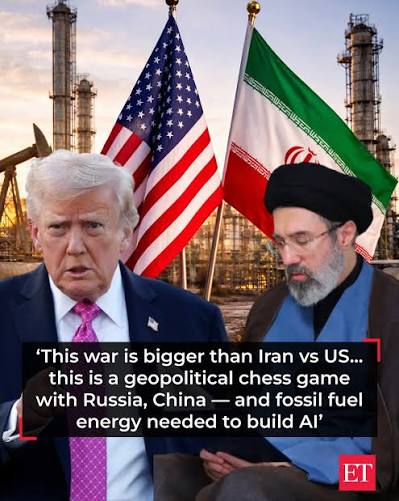
US deploys : A-10 Warthog, Apache strike, Hormuz tension surge
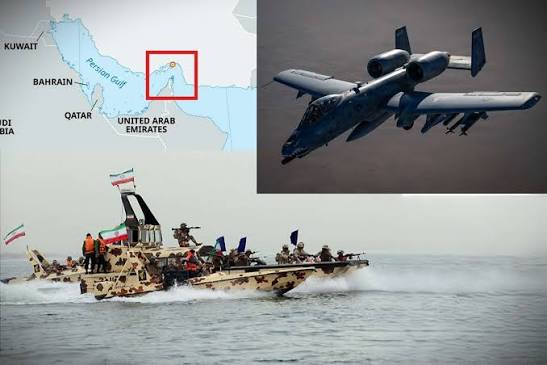
The United States has dramatically escalated its military posture in the Middle East, deploying A-10 Warthog attack aircraft and AH-64 Apache helicopters to the Strait of Hormuz. This critical maritime chokepoint—through which nearly 20% of the world’s oil flows—has become the center of a rapidly intensifying geopolitical crisis.
Recent developments indicate a coordinated air and naval campaign aimed at neutralizing Iranian threats, including fast-attack boats, naval mines, and drone systems. The deployment marks one of the most aggressive US military moves in the region in years and raises serious concerns about global energy security, regional stability, and the potential for a prolonged conflict.
Why the Strait of Hormuz Matters
The Strait of Hormuz is not just a regional waterway—it is a global economic lifeline. Connecting the Persian Gulf to the Arabian Sea, it facilitates the movement of millions of barrels of oil daily.
Around 20% of global oil supply passes through it
Any disruption leads to instant oil price spikes
It is strategically vital for Asia, Europe, and global trade
Recent Iranian actions, including attacks on tankers and attempts to lay naval mines, have significantly disrupted shipping lanes, prompting the US to intervene militarily.
US Military Deployment: A Show of Force
A-10 Warthog: The “Tank Killer” Returns
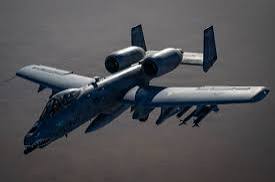
The A-10 Thunderbolt II, commonly known as the Warthog, is a heavily armored close-air-support aircraft famous for its devastating 30mm GAU-8 Avenger cannon.
Key Features:
Designed for low-altitude precision strikes
Capable of destroying armored vehicles and naval targets
Highly durable with heavy armor plating
In the current conflict, A-10s are being used to:
Target Iranian fast-attack boats
Destroy mine-laying vessels
Strike drone launch sites
US officials confirmed that these aircraft are actively “hunting and killing” hostile maritime assets in the Strait.
Apache Helicopters: Precision Strike Power
The AH-64 Apache helicopters complement the A-10s by providing:
Close-range attack capabilities
Precision strikes against militia positions
Support for ground and naval operations
Apaches have reportedly been used not only in the Strait of Hormuz but also in Iraq and southern Iran to target Iran-backed groups and drone infrastructure.
Inside the Operation: What’s Happening on the Ground
The deployment is part of a broader campaign aimed at reopening the Strait of Hormuz and ensuring freedom of navigation.
Key Developments:
Over 120 Iranian vessels destroyed
Dozens of mine-laying boats neutralized
Strikes conducted on missile sites and drone hubs
The US has also expanded operations deeper into Iranian territory, targeting infrastructure that supports maritime disruption.
Operation Scale: A Massive Military Campaign
The ongoing campaign—widely linked to “Operation Epic Fury”—represents one of the largest US military mobilizations in recent years.
Assets Deployed:
A-10 Warthogs
Apache helicopters
F-35 stealth fighters
Naval forces and drones
Thousands of targets have reportedly been struck, highlighting the scale and intensity of the conflict.
Why the A-10 Still Matters in Modern Warfare
Despite plans to retire the A-10 fleet, the current conflict demonstrates its continued relevance.
Reasons for Effectiveness:
Ideal for low-speed, high-precision combat
Highly effective against small, fast-moving targets
Lower operational cost compared to stealth jets
Military experts suggest that the A-10’s role in maritime strike missions—particularly against small boats—has extended its operational lifespan.
Global Oil Shock: Economic Fallout
One of the most immediate consequences of the Hormuz crisis is a surge in global oil prices.
Economic Impact:
Oil prices have surged past $100+ per barrel
Shipping routes disrupted
Insurance costs for tankers skyrocketing
The situation has sparked fears of:
Global inflation
Energy shortages
Economic instability
As tensions escalate, markets remain volatile and highly sensitive to developments in the region.
Iran’s Strategy and Capabilities
Iran has adopted asymmetric warfare tactics to challenge US dominance in the region.
Key Tactics:
Use of fast-attack boats
Deployment of naval mines
Drone-based strikes
Despite heavy losses, Iran still retains significant capabilities, including missiles and mine warfare systems, which could prolong the conflict.
Risk of Wider Regional War
The situation is not confined to the US and Iran. Other regional and global players are increasingly involved.
Potential Escalation:
Israeli military involvement
Attacks on oil infrastructure
Threat of ground invasion
Experts warn that a prolonged conflict could:
Destabilize the Middle East
Disrupt global trade routes
Trigger a broader international crisis
Military Strategy: Airpower Dominance
The US strategy relies heavily on air superiority and precision strikes.
Objectives:
Neutralize Iranian naval threats
Secure shipping lanes
Destroy missile and drone infrastructure
The combination of A-10s and Apaches allows for:
Continuous surveillance
Rapid response strikes
High operational flexibility
Challenges Facing the US
Despite its military superiority, the US faces several challenges:
Key Issues:
Iran’s asymmetric warfare tactics
Difficulty in clearing naval mines بالكامل
Risk of prolonged engagement
Experts suggest that even if immediate threats are neutralized, ensuring long-term security in the Strait will remain a complex task.
Political Implications
The conflict has major political consequences:
In the US:
Debate over military involvement
Concerns about war costs
Public opinion divided
Globally:
Strained diplomatic relations
Pressure on oil-importing nations
Increased geopolitical tensions
Future Outlook
The situation in the Strait of Hormuz remains fluid and highly volatile.
Possible Scenarios:
Short-term stabilization through military success
Prolonged conflict with continued skirmishes
Full-scale regional war
Much will depend on diplomatic efforts, military outcomes, and the willingness of both sides to de-escalate.
Conclusion
The deployment of A-10 Warthogs and Apache helicopters underscores the seriousness of the current crisis in the Strait of Hormuz. As the US intensifies its military operations, the world watches closely, aware that the stakes extend far beyond the Middle East.
From global oil markets to geopolitical alliances, the ripple effects of this conflict are being felt worldwide. Whether this escalation leads to stabilization or further conflict remains uncertain—but one thing is clear: the Strait of Hormuz has once again become the focal point of global tension.
FAQs
1. Why did the US deploy A-10 Warthogs to the Strait of Hormuz?
The A-10s are being used to target Iranian fast-attack boats, drones, and mine-laying vessels threatening global shipping routes.
2. What role do Apache helicopters play in the conflict?
Apache helicopters provide precision strikes and support operations against militia groups and drone infrastructure.
3. Why is the Strait of Hormuz so important?
It is a critical global oil transit route, carrying about 20% of the world’s oil supply.
4. How has the conflict affected global oil prices?
Oil prices have surged due to supply disruptions and increased geopolitical risk.
5. Could this conflict lead to a wider war?
Yes, there is a significant risk of regional escalation involving multiple countries.
6. What is Operation Epic Fury?
It is a large-scale US-led military campaign targeting Iranian military infrastructure and capabilities.
How useful was this post?
Click on a star to rate it!
Average rating 0 / 5. Vote count: 0
No votes so far! Be the first to rate this post.
About the Author

usa5911.com
Administrator
Hi, I’m Gurdeep Singh, a professional content writer from India with over 3 years of experience in the field. I specialize in covering U.S. politics, delivering timely and engaging content tailored specifically for an American audience. Along with my dedicated team, we track and report on all the latest political trends, news, and in-depth analysis shaping the United States today. Our goal is to provide clear, factual, and compelling content that keeps readers informed and engaged with the ever-changing political landscape.