Amanda Wixon Case : 25-Year Captivity, Modern Slavery Horror, Court Sentence
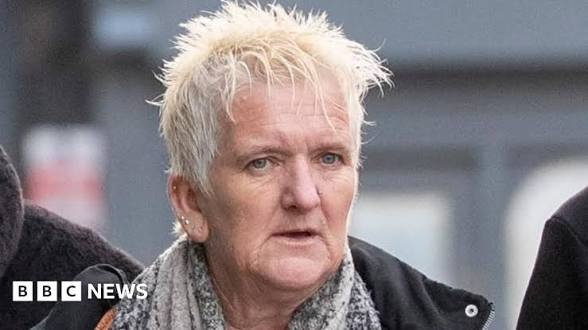
The Amanda Wixon case has become one of the most disturbing modern slavery cases in the United Kingdom in recent years. A vulnerable woman was reportedly held captive for more than 25 years, forced to work as a domestic servant, and subjected to abuse and isolation inside a family home. The shocking details revealed during the court trial exposed the brutal reality of long-term domestic servitude in modern society.
The case drew national attention after the perpetrator was finally sentenced following years of exploitation. Authorities, social services, and anti-slavery charities have since faced intense scrutiny over how such abuse went unnoticed for decades.
This article explores the timeline of the Amanda Wixon case, the conditions the victim endured, the investigation that led to her rescue, the court verdict, and the wider implications for modern slavery awareness.
The Beginning of the Captivity

The victim at the centre of the Amanda Wixon case was a teenager with learning difficulties when she first entered Wixon’s home in the mid-1990s. What initially appeared to be a temporary arrangement quickly turned into decades of exploitation and control.
The young girl moved into Wixon’s house in Tewkesbury, Gloucestershire, around 1995, when she was about 16 years old. Instead of receiving care or support, she was gradually trapped in an environment of control and fear.
Court documents revealed that Wixon, a mother of ten children, soon began forcing the victim to carry out domestic chores and childcare duties. Over time, the victim was isolated from the outside world and denied basic freedoms.
What followed was more than two decades of forced labor, violence, and deprivation.
Living Conditions Described as “Dickensian”
During the trial, judges described the victim’s living conditions as having a “Dickensian quality,” referencing the harsh and inhumane environments depicted in classic Victorian literature.
Inside the home, the victim allegedly:
Slept in a tiny, squalid room
Was locked inside the house for long periods
Was given limited food, often just leftovers
Had no access to medical or dental care
Was prevented from leaving or contacting anyone
Investigators said the house itself was in poor condition, with mould on the walls, broken plaster, and overcrowded living spaces.
For the victim, this environment became a prison that lasted for more than two decades.
Allegations of Abuse and Violence
The court heard numerous disturbing details about the physical and emotional abuse the victim endured during her captivity.
Prosecutors said the victim was repeatedly assaulted and humiliated. Some of the reported abuses included:
Being beaten with household objects
Having washing-up liquid forced into her mouth
Being splashed with bleach
Having her hair shaved against her will
Being hit so hard with a broom handle that she lost teeth
The victim was also forced to clean the house, care for children, and complete household chores every day without pay.
Over the years, the lack of healthcare and proper nutrition left her with serious physical and psychological damage.
Financial Exploitation
In addition to forced labor, the victim was also financially exploited.
Authorities revealed that benefits meant for the victim were allegedly claimed by Wixon, while the victim herself received none of the money.
This financial manipulation added another layer of control, preventing the victim from gaining independence or leaving the household.
Experts say such tactics are common in modern slavery cases, where perpetrators maintain dominance through economic dependency and isolation.
The Moment of Escape
After decades of captivity, the victim eventually found a way to seek help.
According to investigators, she managed to contact authorities secretly in 2021, leading to a police investigation.
When officers arrived at the property, they discovered a woman in extremely poor condition.
Reports indicated she was:
Malnourished
Injured and scarred
Missing teeth
Terrified and socially isolated
Police immediately removed her from the home and began a criminal investigation into what would later become a high-profile modern slavery case.
Police Investigation and Evidence
Once authorities rescued the victim, detectives began gathering evidence.
Investigators found:
The victim had no regular medical or dental records
She had lived in isolation for decades
Witnesses had occasionally raised concerns about the house
The investigation revealed that the victim had effectively been hidden from society for years, despite neighbors reportedly contacting social services about suspicious circumstances.
The case quickly expanded into a complex criminal investigation involving modern slavery laws.
Charges Filed Against Amanda Wixon
Prosecutors eventually brought multiple criminal charges against Amanda Wixon.
The charges included:
False imprisonment
Forced or compulsory labour
Assault causing bodily harm
During the trial at Gloucester Crown Court, jurors heard evidence spanning decades of abuse and control.
Witness testimony, medical reports, and police evidence painted a detailed picture of the victim’s life inside the house.
After a lengthy trial, the jury found Wixon guilty on several counts related to modern slavery and assault.
The Court Sentence
In 2026, the court finally delivered its verdict and sentence.
Amanda Wixon, aged 56, was sentenced to 13 years in prison for her role in the abuse and captivity of the victim.
During sentencing, the judge described the case as extremely serious and highlighted the long-term trauma suffered by the victim.
The court emphasized that:
The abuse lasted more than two decades
The victim was completely deprived of freedom
The crimes represented a severe form of modern slavery
The judge also noted that the psychological damage inflicted on the victim would likely last a lifetime.
The Victim’s Recovery and New Life
After her rescue, the victim began the difficult process of rebuilding her life.
Authorities arranged for her to live with a supportive family where she could receive proper care and assistance.
Reports indicate she has since begun:
Attending education classes
Participating in sports and social activities
Rebuilding confidence and independence
Although the trauma of the past cannot be erased, supporters say she has shown remarkable resilience.
In a statement released after the sentencing, the victim said nothing could return the years she lost, but she was grateful for the support she now receives.
Social Services Under Scrutiny
The Amanda Wixon case also raised serious questions about the failure of institutions that might have intervened earlier.
Critics pointed out that:
Concerns had been raised by neighbors
The victim had previously been known to social services
Yet she disappeared from official oversight for decades
Anti-slavery organizations argue the case highlights a broader problem: domestic servitude is extremely difficult to detect because it often occurs inside private homes.
As a result, authorities have pledged reviews and training programs aimed at improving early detection.
Understanding Modern Slavery in the UK
The case also reignited debate about the ongoing issue of modern slavery in the United Kingdom.
Modern slavery can include:
Forced labour
Domestic servitude
Human trafficking
Debt bondage
Despite strong laws such as the Modern Slavery Act, thousands of victims are believed to remain hidden across the country.
Experts say victims often remain silent because of:
Fear of violence
Psychological control
Financial dependency
Lack of outside contact
The Amanda Wixon case demonstrates how such abuse can persist for decades if warning signs are missed.
Lessons from the Amanda Wixon Case
Several major lessons have emerged from this case:
1. Domestic slavery can happen anywhere
Even ordinary homes in quiet communities can hide serious exploitation.
2. Vulnerable individuals face greater risk
People with learning disabilities or limited support networks are particularly vulnerable.
3. Community awareness matters
Neighbors and community members can play a crucial role in identifying warning signs.
4. Early intervention is essential
Better training for social workers, teachers, and healthcare professionals may help detect abuse sooner.
Why the Case Shocked the Public
The Amanda Wixon case generated widespread shock for several reasons:
The length of the captivity — over 25 years
The severity of the abuse
The failure of systems meant to protect vulnerable people
Many people struggled to comprehend how such a situation could occur in modern Britain.
For anti-slavery campaigners, the case has become a powerful reminder that modern slavery still exists today.
FAQs
What is the Amanda Wixon case?
The Amanda Wixon case refers to a UK modern slavery case in which a woman was held captive and forced into domestic servitude for more than 25 years before being rescued and her abuser sentenced.
How long was the victim held captive?
The victim was reportedly held from around 1995 until 2021, meaning she spent over 25 years in captivity.
What crimes was Amanda Wixon convicted of?
She was convicted of false imprisonment, forced labour, and assault, among other charges related to modern slavery.
What sentence did Amanda Wixon receive?
Amanda Wixon was sentenced to 13 years in prison following her conviction.
How was the victim rescued?
The victim secretly contacted authorities in 2021, leading police to investigate and rescue her from the home.
What happened to the victim after rescue?
She is now living with a supportive family, receiving care and working to rebuild her life through education and social activities.
How useful was this post?
Click on a star to rate it!
Average rating 0 / 5. Vote count: 0
No votes so far! Be the first to rate this post.
About the Author

usa5911.com
Administrator
Hi, I’m Gurdeep Singh, a professional content writer from India with over 3 years of experience in the field. I specialize in covering U.S. politics, delivering timely and engaging content tailored specifically for an American audience. Along with my dedicated team, we track and report on all the latest political trends, news, and in-depth analysis shaping the United States today. Our goal is to provide clear, factual, and compelling content that keeps readers informed and engaged with the ever-changing political landscape.