Mojtaba Khamenei : Iran new supreme leader, war tensions rise
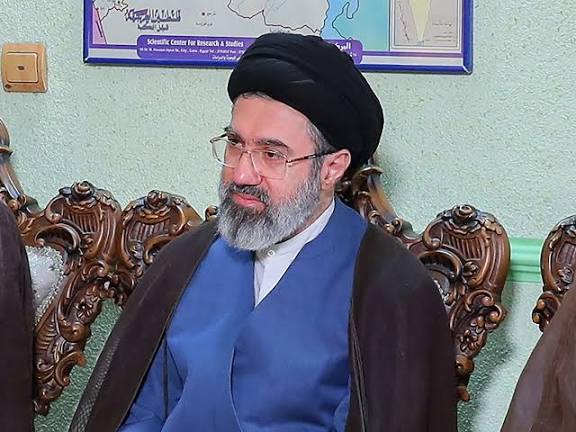
The appointment of Mojtaba Khamenei as Iran’s new supreme leader marks one of the most significant political developments in the Middle East in decades. His rise comes at a moment of intense geopolitical turmoil, following the death of his father, Ali Khamenei, who led the Islamic Republic for more than three decades.
The transition has raised major questions about the future of Iran, its nuclear program, and the wider regional conflict involving Israel, the United States, and Iran’s allies. Analysts believe the leadership change could reshape Middle Eastern politics and global energy markets.
This article explores who Mojtaba Khamenei is, how he became Iran’s new supreme leader, and what his leadership could mean for the region and the world.
Who Is Mojtaba Khamenei?
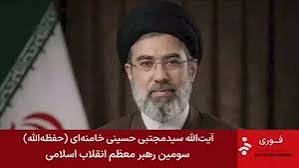
Mojtaba Khamenei is an Iranian cleric and political figure who became the third supreme leader of Iran on March 8, 2026. Born on September 8, 1969, in Mashhad, Iran, he is the second son of Ali Khamenei.
He studied Islamic theology in the religious seminaries of Qom and developed strong ties with conservative clerics and the Islamic Revolutionary Guard Corps (IRGC).
Although he rarely appeared in public, Mojtaba wielded significant influence behind the scenes. For years he played a major role in managing access to his father and shaping political decisions inside the Office of the Supreme Leader.
Many analysts described him as a “shadow power broker” within the Iranian political system long before he officially took office.
How Mojtaba Khamenei Became Iran’s Supreme Leader
The rise of Mojtaba Khamenei occurred during a dramatic moment in Iran’s history.
Reports indicate that Ali Khamenei died in a joint U.S.–Israeli strike during the ongoing regional conflict, triggering an urgent leadership transition inside Iran.
Following his death, Iran’s powerful Assembly of Experts, an 88-member clerical body responsible for selecting the supreme leader, voted to appoint Mojtaba Khamenei as his successor.
The decision came just days after the attack, demonstrating the regime’s urgency to maintain stability during wartime.
Iranian state media presented the vote as decisive and widely supported by political and military leaders.
A Historic and Controversial Leadership Transition
The appointment of Mojtaba Khamenei is historic for several reasons.
First, it represents the first dynastic-style transfer of power in the Islamic Republic, something critics say resembles the monarchy that Iran overthrew in 1979.
Second, Mojtaba had never held elected office before becoming supreme leader. Despite this, he was considered a strong candidate due to his influence within the clerical establishment and the Revolutionary Guards.
Supporters argue his leadership provides continuity during war. Critics, however, say the move undermines the republic’s political legitimacy.
Mojtaba Khamenei’s Political Ideology
Mojtaba Khamenei is widely viewed as a hardline conservative within Iranian politics.
He has strong ties to the Islamic Revolutionary Guard Corps (IRGC), the powerful military organization responsible for protecting the Islamic Republic and expanding Iran’s regional influence.
His ideology aligns with the principlist faction of Iranian politics, which supports:
Strong resistance against Western influence
Expansion of Iran’s regional power
Strict Islamic governance
Some analysts believe Mojtaba may adopt an even tougher stance than his father on issues such as nuclear policy and relations with the United States.
The War Context Behind His Rise
Mojtaba Khamenei assumed leadership during a period of intense conflict across the Middle East.
The war involves several key players:
Iran
Israel
The United States
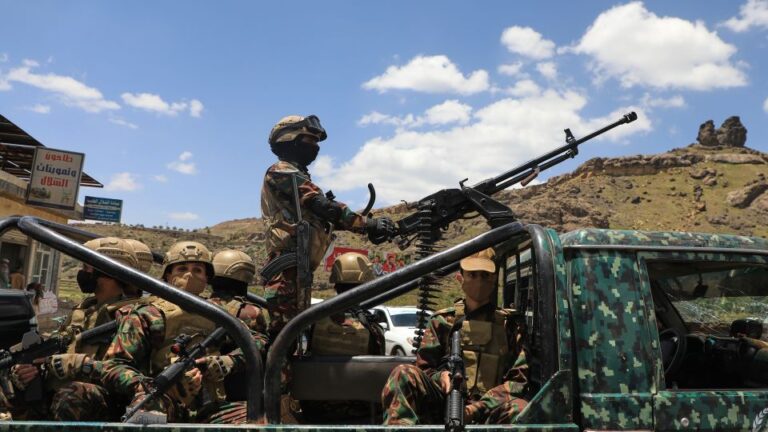
Hezbollah and regional militias
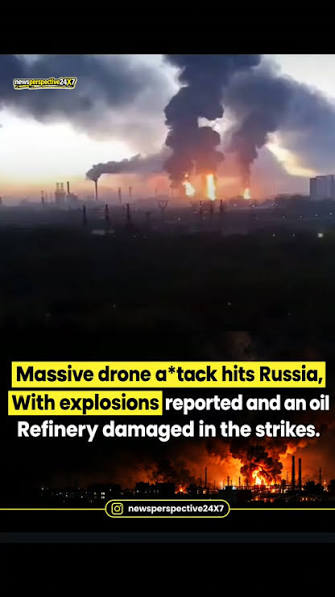
Missile attacks, airstrikes, and cyber warfare have intensified across the region. Civilian casualties and infrastructure damage have increased dramatically.
Energy markets also reacted strongly to the conflict. Oil prices surged toward $120 per barrel, triggering volatility in global financial markets.
This environment means Mojtaba Khamenei begins his leadership under enormous pressure.
Iran’s Supreme Leader: Why the Role Matters
The position of Supreme Leader is the most powerful office in Iran.
Unlike the president, who is elected, the supreme leader holds authority over:
The military
The judiciary
State media
Intelligence agencies
Foreign policy
Nuclear strategy
The supreme leader also appoints key positions across the government.
This means Mojtaba Khamenei now controls the ultimate direction of Iran’s political system and military strategy.
Global Reaction to Mojtaba Khamenei’s Appointment
The global reaction to Mojtaba Khamenei’s rise has been mixed and often tense.
United States
U.S. leaders criticized the appointment. American officials questioned the legitimacy of a hereditary leadership transfer.
Russia
Russian President Vladimir Putin expressed support for Iran’s new leader and pledged continued partnership between the two countries.
Israel
Israeli leaders remain deeply concerned about Iran’s leadership transition, especially given the ongoing war.
Middle East
Several Gulf nations are watching the situation closely, fearing escalation of regional conflict.
The Role of the Revolutionary Guard
One of the key factors behind Mojtaba Khamenei’s rise is his relationship with the Islamic Revolutionary Guard Corps (IRGC).
The IRGC is widely regarded as one of the most powerful institutions in Iran.
Analysts believe Mojtaba has built strong alliances within the organization over decades. These ties helped consolidate support for his leadership after his father’s death.
This alliance may shape Iran’s military strategy in the coming years.
Could Mojtaba Khamenei Change Iran’s Nuclear Policy?
One of the biggest questions surrounding Mojtaba Khamenei’s leadership involves Iran’s nuclear program.
His father previously issued a religious ruling opposing nuclear weapons. However, some experts believe Mojtaba may reinterpret that policy.
Reports suggest he could be more open to advancing nuclear capabilities, especially given the current war environment.
Such a shift would significantly increase global tensions.
Economic Impact of Iran’s Leadership Change
Iran’s leadership transition is also affecting the global economy.
Key impacts include:
Rising oil prices
Increased sanctions risks
Uncertainty in global markets
Potential disruptions to Middle East shipping routes
Investors are closely monitoring developments in Tehran and across the region.
Domestic Challenges Facing Mojtaba Khamenei
Beyond the international stage, Mojtaba faces major domestic challenges.
These include:
Economic sanctions
Inflation and unemployment
Political dissent
Public protests
Iran has experienced repeated waves of protests in recent years. Maintaining internal stability will be one of Mojtaba’s biggest tests as supreme leader.
What the Future Could Look Like
Several scenarios could unfold during Mojtaba Khamenei’s leadership.
Scenario 1: Hardline Consolidation
Iran doubles down on confrontation with Western powers.
Scenario 2: Strategic Pragmatism
Iran seeks negotiations to stabilize the economy.
Scenario 3: Regional Escalation
The Middle East conflict expands further.
Much will depend on military developments and diplomatic negotiations in the coming months.
Conclusion
The rise of Mojtaba Khamenei as Iran’s new supreme leader represents a turning point in the country’s history.
His leadership comes during one of the most volatile moments in the Middle East, with active conflict, economic pressure, and global geopolitical rivalry shaping the future of the region.
Whether Mojtaba Khamenei leads Iran toward deeper confrontation or strategic stability will influence global politics for years to come.
For now, the world is watching closely as the Islamic Republic enters a new era of leadership.
FAQs
Who is Mojtaba Khamenei?
Mojtaba Khamenei is an Iranian cleric and politician who became the third supreme leader of Iran in March 2026 after the death of his father, Ali Khamenei.
How useful was this post?
Click on a star to rate it!
Average rating 0 / 5. Vote count: 0
No votes so far! Be the first to rate this post.
About the Author

usa5911.com
Administrator
Hi, I’m Gurdeep Singh, a professional content writer from India with over 3 years of experience in the field. I specialize in covering U.S. politics, delivering timely and engaging content tailored specifically for an American audience. Along with my dedicated team, we track and report on all the latest political trends, news, and in-depth analysis shaping the United States today. Our goal is to provide clear, factual, and compelling content that keeps readers informed and engaged with the ever-changing political landscape.