Dhahran: Oil hub spotlight, energy geopolitics, Gulf power focus
Dhahran is more than a city in Saudi Arabia’s Eastern Province — it is the heart of global oil strategy and energy geopolitics. Known worldwide as the administrative headquarters of Saudi Aramco, Dhahran’s influence extends far beyond its urban grid, shaping energy markets, Middle East diplomacy, and global economic stability. In this in-depth exploration, we’ll unpack Dhahran’s history, economic stature, geopolitical significance, and its expanding role in the future of global energy.
1. The Birthplace of Saudi Arabia’s Oil Era
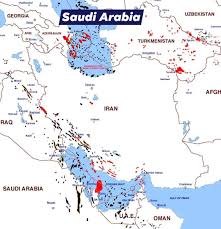
Dhahran’s ascent began with one of the most consequential discoveries in modern economic history. Oil was first commercially produced near Dhahran in 1938 after the Saudi government signed a concession agreement with Standard Oil of California in 1933. The discovery at Dammam Well No. 7 unlocked immense petroleum potential and transformed a desert landscape into a global energy powerhouse.
Within just a few years, the area became the operational hub of what would evolve into Saudi Aramco — the world’s largest oil and energy company. Aramco’s establishment solidified Dhahran’s status as a key node in global energy supply, central to both crude production and engineering innovations in petroleum extraction.
2. A Strategic City in Saudi Arabia’s Eastern Province
Situated along the Persian Gulf coast just south of the port city of Dammam, Dhahran is geographically positioned in the world’s most oil-rich region. Its climate is arid and hot, with summer temperatures frequently exceeding 40°C. Despite the harsh conditions, the city thrives as a modern economic hub, with gated areas including Aramco’s headquarters, educational institutions, and cultural landmarks.
Dhahran’s population, although relatively small (around 143,936 residents as of 2022), is highly diverse due to the influx of expatriates from Asia, Europe, and North America working with Aramco and allied industries. This multicultural workforce underscores Dhahran’s role as a globalized energy settlement rather than just a regional Saudi city.
3. Saudi Aramco: The Corporate Powerhouse
At the core of Dhahran’s global impact is Saudi Aramco — the Saudi Arabian Oil Company. Operating the world’s largest proven crude oil reserves and producing millions of barrels per day, Aramco plays a central role in international energy markets.
Key facts about Aramco include:
It operates the world’s largest conventional oil reserves and major processing facilities.
The company’s strategic management and export operations are coordinated from Dhahran.
Aramco’s influence extends into global petrochemical networks and gas infrastructure.
Through its administrative and technical leadership, Dhahran anchors Saudi Arabia’s contribution to global energy supply — a contribution that continues to be indispensable during geopolitical volatility.
4. Geopolitics and Gulf Energy Dynamics
Dhahran’s importance isn’t limited to economics — it sits at the crossroads of energy geopolitics in the Gulf region. Saudi Arabia’s dominant role in oil production directly affects international politics. Changes in supply, strategic alliances, or conflicts near the Persian Gulf can significantly influence global energy markets.
Recent developments underscore this fact. For instance:
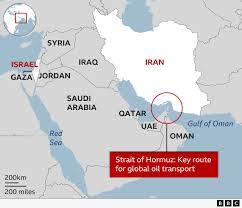
The Strait of Hormuz, a narrow chokepoint for global oil transit, remains vulnerable to geopolitical tensions, prompting Saudi Aramco to consider rerouting crude through alternate pathways to secure export continuity.
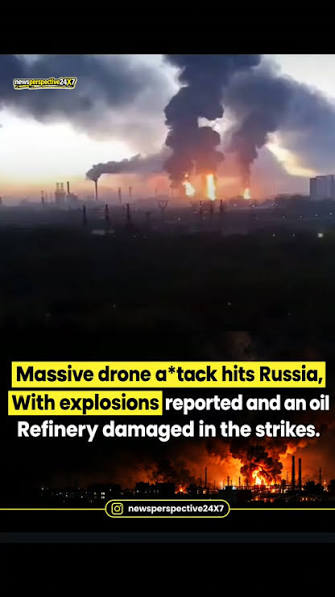
Conflict-related strikes on nearby energy infrastructure have disrupted production in the region, underscoring the importance of reinforced energy diplomacy and diversified shipping routes.
These factors amplify Dhahran’s geopolitical relevance, as stability in Saudi Arabia — particularly in its Eastern Province — directly correlates with energy security for oil-importing nations worldwide.
5. Economic Diversification and Longer-Term Vision
While oil remains the backbone of Dhahran’s economy, Saudi Arabia has been pursuing strategic diversification under Vision 2030. This national plan seeks to reduce reliance on petroleum by investing heavily in renewable energy, petrochemicals, and gas infrastructure.
Saudi Aramco plays a pivotal role in this shift, expanding into natural gas, petrochemicals, and even emerging energy technologies:
Investments in gas projects such as the Jafurah Basin are intended to support increased domestic energy needs and reduce crude use in power generation.
Aramco’s broader network expansion — including pipeline upgrades and gas export capacity — contributes to a future where hydrocarbons coexist with cleaner fuels.
Dhahran serves as the logistical and intellectual hub for these endeavors, enabling Saudi Arabia to balance economic growth with long-term sustainability in global energy markets.
6. Cultural and Social Dimensions
Beyond energy, Dhahran hosts cultural institutions that enrich life in the region. The King Abdulaziz Center for World Culture (Ithra) is a flagship initiative, offering museums, theaters, and educational programs that highlight science, innovation, and the arts.
These cultural investments align with broader efforts to transition Saudi society toward a more open and diversified identity, attracting international visitors and fostering local creativity.
7. Transportation and Strategic Connectivity
Dhahran’s infrastructure links it to major regional hubs. Highways connect with Dammam, Khobar, Bahrain, and beyond, while rail and sea routes facilitate energy exports. The city’s proximity to strategic ports and airports further cements its role in global energy logistics.
This connectivity underscores why Dhahran remains central to supply chain stability — a key consideration for energy importers globally.
8. Challenges and Future Outlook
Despite its strengths, Dhahran and the broader Saudi energy sector face challenges:
Geopolitical uncertainty in the Gulf can disrupt infrastructure and increase market volatility.
The energy transition toward renewables demands adaptation in a historically oil-centric economy.
Diversification initiatives must balance tradition with innovation and global expectations.
Yet Dhahran’s strategic role is unlikely to diminish. Its foundation in energy, integrated infrastructure, and forward-looking investments position it as a beacon of both continuity and evolution in global geopolitics.
Frequently Asked Questions (FAQs)
1. Why is Dhahran important in the global oil industry?
Dhahran is the administrative headquarters of Saudi Aramco — the world’s largest oil company — making it pivotal in crude production, export strategy, and energy market stability.
2. What role does Dhahran play in Gulf geopolitics?
Dhahran’s energy infrastructure and export routes influence diplomatic relations and economic security in the Gulf. Regional tensions involving critical shipping lanes can affect oil flow and market prices.
3. How does Dhahran contribute to Saudi Arabia’s Vision 2030?
Dhahran supports diversification through energy innovation, gas projects, and cultural initiatives that extend beyond oil, aligning with broader economic transformation goals.
4. What is the King Abdulaziz Center for World Culture?
Located in Dhahran and built by Saudi Aramco, this cultural center promotes arts, education, and innovation as part of Saudi Arabia’s broader societal development.
5. How does Dhahran connect to global energy supply?
Through its infrastructure, strategic location, and integration with Saudi oil and gas networks, Dhahran influences energy exports to Asia, Europe, and beyond.
Conclusion
Dhahran stands at the intersection of energy production, geopolitical strategy, and economic evolution. Its development from a desert outpost to a global oil hub highlights the stringencies and strengths of strategic resource management. As the world navigates energy transitions and geopolitical shifts, Dhahran’s role is likely to remain central — a testament to the enduring power of energy in global affairs.
How useful was this post?
Click on a star to rate it!
Average rating 0 / 5. Vote count: 0
No votes so far! Be the first to rate this post.
About the Author

usa5911.com
Administrator
Hi, I’m Gurdeep Singh, a professional content writer from India with over 3 years of experience in the field. I specialize in covering U.S. politics, delivering timely and engaging content tailored specifically for an American audience. Along with my dedicated team, we track and report on all the latest political trends, news, and in-depth analysis shaping the United States today. Our goal is to provide clear, factual, and compelling content that keeps readers informed and engaged with the ever-changing political landscape.