Alex Pretti: ICU Nurse Shot, Federal Agents, Public Outrage
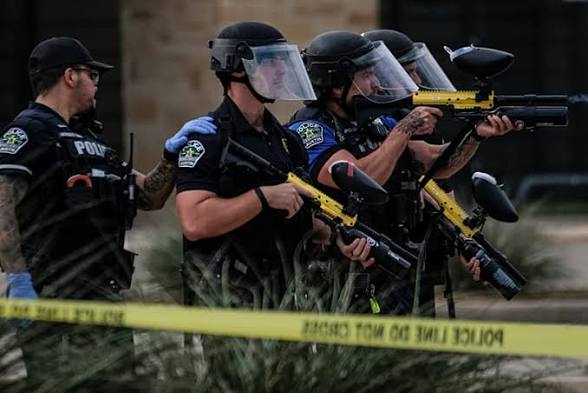
The unlikely partners united in response to public outrage and demands for a full investigation over the tactics used by immigration agents in the state. Today we will discuss about Alex Pretti: ICU Nurse Shot, Federal Agents, Public Outrage
Alex Pretti: ICU Nurse Shot, Federal Agents, Public Outrage
The fatal shooting of ICU nurse Alex Pretti by federal agents in Minneapolis has become one of the most emotionally charged and politically explosive incidents in the United States in early 2026. What began as a routine federal enforcement operation rapidly transformed into a national controversy, sparking protests, legal battles, and a fierce debate over the use of force, civil ri
ghts, and the growing reach of federal law enforcement in American cities.
Pretti’s death has not only devastated his family, friends, and colleagues in the medical community but has also ignited a broader public reckoning about accountability, transparency, and the boundaries of power in a tense political climate.
Who Was Alex Pretti?

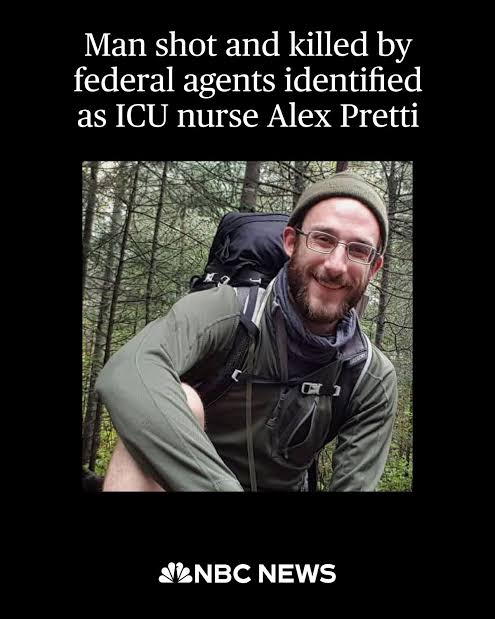
Alex Jeffrey Pretti was a 37-year-old registered nurse working in the Intensive Care Unit at the Minneapolis Veterans Affairs Medical Center. Known among coworkers for his calm demeanor and deep compassion, he dedicated his career to caring for critically ill patients, many of them military veterans suffering from complex physical and psychological trauma.
Friends described him as thoughtful, gentle, and principled. He was passionate about patient advocacy and believed strongly in standing up for people who were vulnerable or mistreated. Outside of work, Pretti was known to be civic-minded, often participating in community discussions and peaceful demonstrations.
His professional life was centered on saving lives. The irony that he would lose his own in a violent confrontation with federal officers has intensified public grief and anger.
The Day of the Shooting
On January 24, 2026, federal agents were conducting an immigration enforcement operation in a residential area of Minneapolis. The operation was part of a wider federal crackdown that had already drawn criticism from local officials and civil rights groups.
According to initial federal statements, agents encountered Pretti during the operation. Authorities claimed he was armed and posed a threat, prompting officers to open fire in what they described as self-defense.
However, video footage recorded by bystanders quickly began circulating online, challenging the official version of events.
Conflicting Narratives
Federal Version
Federal officials stated that Pretti approached agents while carrying a handgun. They claimed he refused commands to step back and attempted to interfere with the operation, leading officers to believe their lives were in immediate danger. One agent then fired multiple shots, fatally wounding Pretti.
This account framed the shooting as a justified response under standard use-of-force protocols.
Eyewitness and Video Evidence
Independent videos painted a dramatically different picture. In the footage, Pretti appears to be holding a mobile phone, not a weapon, and seems to be recording or verbally questioning the agents as they restrained another individual. He appears to step between an agent and a woman who had been forced to the ground.
Moments later, gunfire erupts.
Several witnesses stated that Pretti was calm, unarmed in his hands, and did not make threatening movements. Some footage suggests that a firearm was still in his waistband when he was shot, but that he never reached for it.
This contradiction between official claims and visual evidence became the foundation of the public outrage.
Family Reaction
Pretti’s family released a statement condemning what they called “false and reckless narratives” used to justify the killing. They described Alex as a protector, not an aggressor, and emphasized that he was trying to prevent harm, not cause it.
They accused federal authorities of attempting to criminalize a man who could no longer defend himself and demanded an independent investigation.
Their grief quickly turned into a broader call for justice, echoed by thousands across the country.
Protests and National Outrage
Within hours of the shooting, demonstrations erupted in Minneapolis. Protesters demanded the withdrawal of federal agents, accountability for those involved, and an end to aggressive enforcement tactics in civilian neighborhoods.
Healthcare workers, nurses’ unions, and veterans’ groups joined the protests, highlighting Pretti’s role as a caregiver who devoted his life to service. Many carried signs reading “He Saved Lives” and “Justice for Alex Pretti.”
The demonstrations soon spread to other major cities, becoming a symbol of wider frustration with militarized policing and federal authority.
Political Fallout
Minnesota state leaders publicly criticized the federal operation and called for full transparency. They argued that local law enforcement had not requested federal intervention and that the presence of heavily armed agents escalated tensions unnecessarily.
At the national level, political leaders were sharply divided. Supporters of federal agencies insisted that officers must be trusted in dangerous situations. Critics countered that blind trust without accountability erodes democracy and endangers innocent lives.
The case quickly became a flashpoint in debates over immigration enforcement, gun rights, and civil liberties.
Legal and Civil Rights Implications
Civil rights attorneys began preparing lawsuits on behalf of Pretti’s family, alleging excessive force and violation of constitutional protections. Legal experts pointed to several critical questions:
Was the use of deadly force proportionate?
Did Pretti pose an immediate threat?
Were agents properly identified?
Were de-escalation tactics attempted?
The presence of video evidence has intensified pressure on prosecutors and investigators, making it difficult to rely solely on official reports.
Impact on the Medical Community
The nursing community reacted with shock and sorrow. Many colleagues said they could not reconcile the image of a compassionate ICU nurse with the portrayal of a dangerous suspect.
Hospitals across the region held vigils in Pretti’s memory. Statements from medical associations emphasized that healthcare workers often act instinctively to protect others, especially in moments of perceived injustice or danger.
For many in the profession, Pretti became a symbol of moral courage.
Broader Social Context
The killing occurred during a period of heightened tension over federal enforcement actions in urban areas. Critics argue that overlapping jurisdictions and unclear command structures create confusion and increase the risk of deadly mistakes.
Pretti’s death has come to represent fears that ordinary citizens, even professionals with no criminal history, can become victims of excessive force simply by being in the wrong place at the wrong time.
Public Trust and Accountability
One of the most lasting consequences of the case is the erosion of public trust. When official statements conflict with visual evidence, credibility suffers.
Many Americans now question:
How transparent are federal investigations?
Who holds federal agents accountable?
Are body cameras and independent oversight sufficient?
These questions extend far beyond one incident and strike at the heart of democratic accountability.
The Legacy of Alex Pretti
Alex Pretti is now remembered not only as an ICU nurse but as a figure in a national conversation about justice and human dignity. Vigils, memorials, and scholarship funds have been established in his name, ensuring that his commitment to care continues to inspire others.
His story has become a reminder that behind every political debate and law enforcement statistic is a human life — with a family, a profession, and a future that can be taken away in seconds.
Conclusion
The shooting of Alex Pretti by federal agents has left a deep mark on the American conscience. It has exposed tensions between authority and accountability, power and restraint, security and freedom.
Whether the courts ultimately rule the shooting justified or unlawful, the moral and social questions raised by his death will not fade quickly. For many, Pretti represents the tragedy that occurs when force replaces dialogue and when transparency is sacrificed for narrative control.
As investigations continue, one truth remains unchallenged: a nurse who spent his life saving others lost his own under circumstances that demand clarity, justice, and reform.
How useful was this post?
Click on a star to rate it!
Average rating 0 / 5. Vote count: 0
No votes so far! Be the first to rate this post.
About the Author

usa5911.com
Administrator
Hi, I’m Gurdeep Singh, a professional content writer from India with over 3 years of experience in the field. I specialize in covering U.S. politics, delivering timely and engaging content tailored specifically for an American audience. Along with my dedicated team, we track and report on all the latest political trends, news, and in-depth analysis shaping the United States today. Our goal is to provide clear, factual, and compelling content that keeps readers informed and engaged with the ever-changing political landscape.