Kemi Badenoch Today: Tory Purge, Reform Defections, Party Crisis Deepens
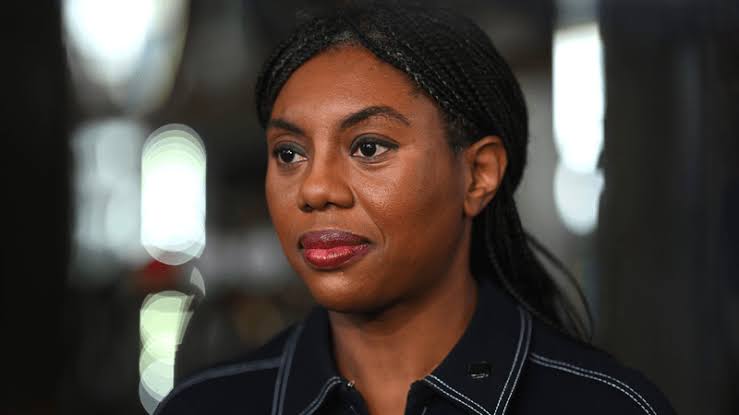
Kemi Badenoch launched a secret purge to suspend Conservative Party members suspected of being sympathetic to Reform UK without representation. Today we will discuss about Kemi Badenoch Today: Tory Purge, Reform Defections, Party Crisis Deepens
Kemi Badenoch Today: Tory Purge, Reform Defections, Party Crisis Deepens
The British Conservative Party finds itself embroiled in one of the most turbulent periods in its modern history. Under the leadership of Kemi Badenoch, the party is facing internal strife, high-profile defections to Reform UK, and what many critics are calling a purge of dissenting voices within the party ranks. This crisis goes beyond ordinary political upheaval — it questions the identity, coherence, and future electoral viability of one of the UK’s oldest political institutions.
In this comprehensive analysis, we explore the latest developments surrounding Kemi Badenoch, the Conservative Party’s internal purge, the tide of defections to Reform UK, and what this might mean for the future of UK politics.
1. Kemi Badenoch: A New Era of Leadership

Kemi Badenoch became leader of the Conservative Party in November 2024, winning the leadership contest with a pledge to “renew” the Conservatives and reshape the party after successive electoral defeats. She made history as the first black leader of a major UK political party and only the fourth woman to lead the Conservatives.
Badenoch’s leadership narrative has centered on two core themes:
Holding the Labour government to account
Preparing the Conservative Party for a future return to power
This vision, however, has collided with harsh political realities — rising support for Reform UK, declining Conservative polling, and growing discontent within her own party.
2. The Purge: Tory Members Suspended over Reform Links
On January 24, 2026, reports emerged that Badenoch’s team began a controversial internal crackdown targeting Conservative members suspected of sympathizing with or assisting Reform UK. Initial messages sent to affected members informed them their memberships were “suspended pending investigation” due to alleged affiliation with Reform.
Those suspended were instructed not to make any public comment, and many have not received detailed evidence regarding the allegations. Conservatives described the mood inside the party as rife with “extreme paranoia” about internal disloyalty.
Critics — both within and outside the party — have labelled these moves a purge, suggesting that instead of strengthening unity, the actions may further fracture an already brittle party, intensifying mistrust among grassroots activists and MPs alike.
3. High-Profile Defections: The Reform UK Surge
Perhaps the most visible symptom of the Conservative Party’s internal crisis has been the wave of defections to Reform UK, the right-wing political party led by Nigel Farage.
Major Figures Who Have Crossed the Floor
Among the most significant departures from the Conservatives:
Robert Jenrick — former Tory shadow justice secretary, who defected in a dramatic move that embarrassed party leadership and triggered questions about internal loyalty.
Andrew Rosindell, long-serving MP for Romford, cited disagreements with Conservative policy direction and sovereign issues as reasons for joining Reform.
Nadhim Zahawi, former cabinet minister, announced his alignment with Reform, calling for bold change and expressing disillusionment with the Conservative approach.
Sarah Atherton, a former Conservative armed forces minister, also joined Reform, highlighting dissatisfaction with how the Tories have handled defence matters.
These defections carry both political and symbolic weight. They represent elected figures abandoning the Conservative ship for what they describe as a more authentic right-wing home, a narrative that strengthens Reform’s appeal to disaffected Tory voters and politicians alike.
4. The Battle of Narratives: Badenoch vs Reform UK
The rivalry between Badenoch and Nigel Farage’s Reform UK has become a defining feature of the current UK political landscape.
Badenoch’s Response
Badenoch has taken a firm public stance against Reform UK’s strategy and leadership. She criticised Farage as “not serious” and accused him of sending confused political messages while attempting to recruit Conservatives to his ranks.
In a recent letter to Conservative MPs, Badenoch described on-going backroom intrigue and internal strife as damaging to the party’s credibility, emphasizing that efforts to disrupt the Conservatives from within would not be tolerated.
She maintains that the Conservatives remain the true party of the right, rejecting suggestions of a shift towards the centre and portraying the defections as betrayals rather than ideological realignments.
Reform UK’s Position
Reform UK portrays itself as the political home for Conservatives disillusioned with the current leadership. Nigel Farage and his allies position the party as a clearly defined right-wing alternative, advocating policies that they argue the Conservatives have failed to deliver. Defectors have underscored their belief that Reform is better positioned to take on Labour and enact real change.
This dual narrative battle has become central to the wider debate about where the UK’s right-wing electorate should place its loyalty.
5. Internal Turmoil: Party Identity and Strategic Direction
The Conservative Party’s internal crisis extends beyond defections and purges. It is also a battle over identity and strategic direction.
Some Conservatives argue that Badenoch’s leadership has failed to provide coherent policy direction or compelling leadership, leaving the party vulnerable to Reform’s appeal. Critics have pointed to internal dissatisfaction, with polls suggesting that a substantial portion of party members believe Badenoch may not survive another year as leader.
Others argue that her approach — blending traditional Conservative principles with calls for reform — is precisely what the party needs in order to evolve and recapture public trust.
But these debates have often played out publicly, with party members openly questioning each other’s commitment and vision for the future.
6. Structural Challenges: Elections and Polling
The Conservative Party continues to struggle with electoral support. Internal polling reported last year projected the party could win just 14 seats in a potential general election — highlighting its precarious position in British politics.
Meanwhile, Reform UK’s growing presence in parliament, local councils, and national discourse suggests that significant shifts are underway in the UK’s political ecosystem.
These structural challenges — including a shrinking base, defections, and rising opposition from both Labour and Reform — paint a difficult picture for the Conservatives as they prepare for upcoming elections.
7. The Wider Political Context
The difficulties facing the Conservative Party do not exist in isolation. They reflect broader trends in UK politics, including:
Labour’s Dominance
Labour under Keir Starmer continues to hold power, with opposition parties vying to present coherent alternatives. Badenoch has occasionally offered conditional cooperation with Labour on issues like welfare spending, suggesting pragmatic strategic flexibility.
Reform UK’s Growth
Reform UK has benefited from rising support among right-leaning voters who feel traditional parties have failed them. As defections continue, Reform strengthens its parliamentary foothold.
Voter Realignment
British politics appears to be entering a phase of realignment, with a weakening two-party system and increasing volatility among the electorate. This mirrors broader patterns in Western democracies, where traditional party loyalties are eroding and new political movements are emerging.
8. What Comes Next?
As of January 2026, Kemi Badenoch’s leadership faces multiple crossroads:
Contain the Internal Crisis
Her ability to manage internal dissent and prevent further defections will be crucial. The current purge and suspension policy reflects an attempt to tighten control — but it may also fuel resentment and fragmentation.
Reframe Conservative Identity
Badenoch and her allies must articulate a clear, compelling narrative that can unite traditional Conservatives, appeal to moderates, and combat Reform UK’s growing appeal.
Boost Electoral Prospects
With looming elections, the Conservatives will need stronger polling performance, innovative policy ideas, and effective messaging to reclaim voters who have shifted towards Labour or Reform.
Navigate External Pressures
Britain’s political landscape remains volatile. From economic pressures to shifts in global geopolitics, the Conservatives must present a vision that resonates with everyday voters while distinguishing themselves from both the ruling party and reformist rivals.
Conclusion: A Defining Moment for the Conservatives
The events of early 2026 highlight a Conservative Party at war with itself — wrestling with its identity, leadership, and future direction. Kemi Badenoch’s leadership has proven bold and controversial, marked by fierce efforts to consolidate power, stave off defections, and redefine what it means to be conservative in modern Britain.
At the heart of the crisis lies a fundamental question: Can the Conservative Party survive this period of internal reform and external competition?
And if it does survive, what form will it take — a reenergized force ready for government again, or a diminished shadow of its former self?
One thing is clear: the political landscape of the UK is changing, and Kemi Badenoch is at the centre of that transformation.
How useful was this post?
Click on a star to rate it!
Average rating 0 / 5. Vote count: 0
No votes so far! Be the first to rate this post.
About the Author

usa5911.com
Administrator
Hi, I’m Gurdeep Singh, a professional content writer from India with over 3 years of experience in the field. I specialize in covering U.S. politics, delivering timely and engaging content tailored specifically for an American audience. Along with my dedicated team, we track and report on all the latest political trends, news, and in-depth analysis shaping the United States today. Our goal is to provide clear, factual, and compelling content that keeps readers informed and engaged with the ever-changing political landscape.