Alex Pretti Killing: Federal Agents Under Fire, Minneapolis Protests Explode
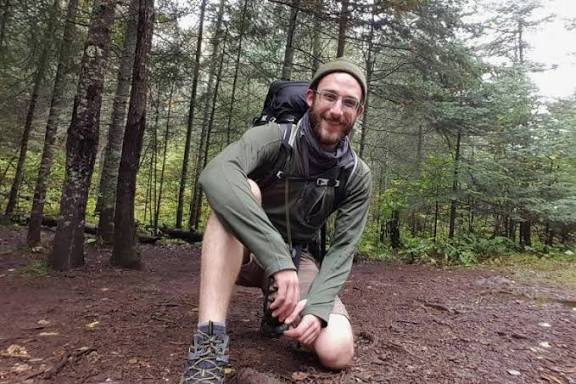
Refuting the Trump administration’s claims, two witnesses said in a court filing that the victim did not brandish the gun. Today we will discuss about Alex Pretti Killing: Federal Agents Under Fire, Minneapolis Protests Explode
Alex Pretti Killing: Federal Agents Under Fire, Minneapolis Protests Explode
On January 24, 2026, Minneapolis became the center of national outrage after federal immigration agents fatally shot a 37-year-old man named Alex Jeffrey Pretti during a high-tension enforcement operation. The incident — occurring amid an already volatile atmosphere of protests over immigration policy and federal law enforcement tactics — ignited a wave of public anger, mass demonstrations, and heated political debate across the United States.
Who Was Alex Pretti?
Alex Jeffrey Pretti was a U.S. citizen, born in Illinois, living and working in Minneapolis as an intensive care unit (ICU) nurse at the Veterans Affairs medical center. Described by friends and colleagues as a caring, community-oriented individual, Pretti had no serious criminal record and was known for his dedication to treating patients, especially veterans.
His family and acquaintances painted a picture of a man deeply committed to helping others. Pretti’s father said his son cared “deeply” about people, and that his participation in protests stemmed from frustration with immigration enforcement practices, not from violent intent.
Despite this, the federal government’s initial narrative cast him in a far different light — one that has since become the subject of intense scrutiny.
The Shooting: Conflicting Accounts and Key Facts
Federal Narrative
According to the Department of Homeland Security (DHS) and Border Patrol officials, Pretti approached federal agents with a handgun and resisted attempts to disarm him during an enforcement operation connected to immigration arrests in Minneapolis. In this account, the agent fired “defensive shots,” claiming his life in a justified use of force.
Officials identified the Border Patrol agent involved as an eight-year veteran of the agency and defended the action as necessary to protect officers on the scene.
Bystander Records and Video Evidence
However, independent video footage from bystanders and local media sharply contradicts key aspects of the federal narrative. Multiple clips circulated online show Pretti filming the interaction with his phone, not brandishing a firearm, in the moments before he was pepper-sprayed, tackled, and eventually shot multiple times.
According to several sources, a gun was removed from Pretti only after he had been forced to the ground and subdued by federal agents — a critical question in the debate over whether he posed an imminent threat. The phone-held footage appears to show him trying to help others and observing law enforcement activity, not attacking federal agents.
Legal Gun Ownership
Minneapolis Police Chief Brian O’Hara noted that Pretti was a lawful gun owner with a permit to carry a firearm in Minnesota, where open carry with a permit is lawful. However, eyewitness video suggests he did not actively brandish or use the weapon prior to being shot.
A Community in Mourning: Immediate Public Reaction
News of the shooting spread rapidly, sparking immediate emotion and a strong public response in Minneapolis and beyond.
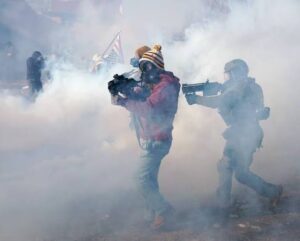
Scores of people gathered near the scene, creating a makeshift memorial and calling for accountability and justice. Crowds chanted slogans such as “Justice for Alex Pretti” and “ICE out now,” marking a stark escalation from peaceful vigils to highly impassioned protests.
One local described the situation as emotionally overwhelming: many mourned quietly by the memorial at dusk while others voiced anger and disbelief at what they saw unfold.
Protests Spread Across the Nation
While the initial demonstrations were centered in Minneapolis, the impact soon spread across the United States:
Washington, D.C. — Protesters gathered near federal buildings to denounce immigration enforcement tactics.
Portland, Oregon — Local activists held rallies linking Pretti’s death to broader grievances against federal intervention in city policing.
New York City and Boston — Demonstrators voiced solidarity, holding signs and chanting for systemic change.
Across cities large and small, citizens took to the streets, urging reform of immigration enforcement, enhanced accountability for federal agents, and transparency in investigations.
Political Fallout: Leaders Respond
The political fallout from Pretti’s killing has been swift and polarized.
Local Officials Condemn the Shooting
Minnesota Governor Tim Walz described the shooting as “horrific” and pledged that state authorities would pursue a thorough investigation, rejecting federal control of the process. He stressed that the state was “doing everything possible to de-escalate” tensions on the ground.
Minneapolis Mayor Jacob Frey echoed calls for calm while demanding accountability and clarity about the circumstances leading to Pretti’s death.
National Political Reactions
Public figures across the political spectrum weighed in:
Former Vice President Kamala Harris condemned the killing, calling federal enforcement actions in Minneapolis akin to a “murderous occupation,” drawing sharp national attention and intensifying the debate over law enforcement overreach.
President Donald Trump defended immigration agents on social media, calling them “patriots” and criticizing local authorities for not doing more to protect federal officers before the incident.
This political tug-of-war has amplified national divisions over immigration enforcement, civil liberties, and the role of federal authority in local jurisdictions.
Historical Context: Minneapolis, Protests, and Federal Operations
The shooting of Alex Pretti did not occur in isolation; it came amid weeks of unrest in Minneapolis related to immigration enforcement actions.
Earlier in January 2026, another Minneapolis resident — 37-year-old Renee Nicole Good — was fatally shot by a federal immigration officer during a separate encounter that also drew intense backlash and protests. These back-to-back incidents have turned Minneapolis into a focal point of opposition to aggressive federal tactics.
Minneapolis carries a historical legacy of mass protest since the 2020 killing of George Floyd, and local resistance to policing policies remains deeply rooted. That context has shaped community responses and fueled broader mobilization efforts.
Investigations, Accountability, and Questions Ahead
One of the most contentious elements of Pretti’s killing is the issue of investigation and accountability:
Local officials have demanded transparency and an independent inquiry, arguing that federal agencies should not investigate their own actions without oversight.
DHS has publicly defended the agent’s use of force, describing it as actions taken under threat and asserting that Pretti approached with a handgun.
Critics argue the government narrative has been inconsistent with video evidence that suggests Pretti did not pose an imminent threat.
Minnesota authorities have taken up the call for more robust probes and have resisted federal attempts to control the investigative process. The public and legal advocacy groups are also pushing for full release of body-camera and field footage.
Social and Cultural Impact
Across the nation, Pretti’s killing has added fuel to ongoing debates about:
Immigration policy and enforcement
Federal versus local jurisdiction
Use of lethal force
Civil liberties and protest rights
Policing reforms in America
For many activists, Pretti’s death symbolizes what they see as unchecked federal power and a lack of accountability for actions taken under the banner of immigration enforcement. For others, the incident underscores the perils law enforcement faces in chaotic, crowded confrontations.
Public discourse now grapples with hard questions: Should federal law enforcement operate independently within cities? How can use of force be more transparently scrutinized? What protections are necessary for citizens observing or participating in protests?
Remembering Alex Pretti
At the heart of a deeply polarizing national conversation is a man remembered by many as a healer, a community member, and someone striving “to make a difference” in the world. His death has touched both local mourners and national observers, fueling passionate calls for justice and reform.
As Minneapolis and the country contend with the aftermath, the memory of Alex Pretti continues to be invoked in protests, vigils, and debates over civil rights and law enforcement accountability. The questions raised by his killing will likely reverberate far beyond the streets of Minneapolis.
Conclusion
The killing of Alex Jeffrey Pretti by federal agents in Minneapolis has become more than a tragic incident: it is a flashpoint in national discourse. With conflicting accounts, explosive protests, and intense political ramifications, it highlights deep fractures in how the United States approaches law enforcement, immigration policy, and civil liberties.
As investigations continue and protests show little sign of abating, the story of Alex Pretti is shaping not just local politics but national debates over power, accountability, and the rights of citizens in a deeply divided era.
How useful was this post?
Click on a star to rate it!
Average rating 0 / 5. Vote count: 0
No votes so far! Be the first to rate this post.
About the Author

usa5911.com
Administrator
Hi, I’m Gurdeep Singh, a professional content writer from India with over 3 years of experience in the field. I specialize in covering U.S. politics, delivering timely and engaging content tailored specifically for an American audience. Along with my dedicated team, we track and report on all the latest political trends, news, and in-depth analysis shaping the United States today. Our goal is to provide clear, factual, and compelling content that keeps readers informed and engaged with the ever-changing political landscape.