Craig Silvey Arrest Shock : Beloved Author Charged, Literary World Reels
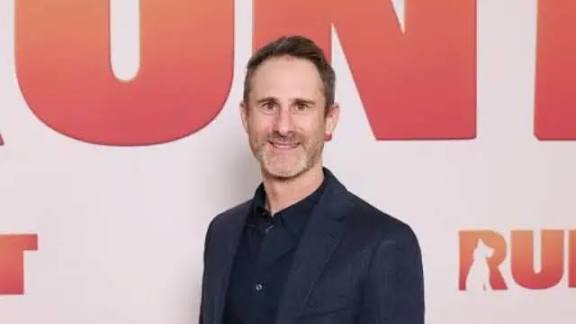
Craig Silvey, one of Australia’s most famous authors, is facing court after allegedly distributing child exploitation material. Today we will discuss about Craig Silvey Arrest Shock : Beloved Author Charged, Literary World Reels
Craig Silvey Arrest Shock : Beloved Author Charged, Literary World Reels
The global literary community was left stunned when news broke that celebrated Australian author Craig Silvey had been arrested and charged with serious criminal offences. Known for emotionally powerful novels that shaped a generation of young readers, Silvey’s sudden fall from public grace has sent shockwaves through schools, publishing houses, literary festivals, and reader communities worldwide. The case has ignited intense debate about accountability, the separation of art from artist, and the responsibilities of public figures whose work reaches millions of young minds.
A Celebrated Literary Career
Craig Silvey rose to prominence at a remarkably young age. His debut novel, published when he was still a teenager, immediately marked him as a rare literary talent. However, it was his breakout novel Jasper Jones that cemented his place among Australia’s most respected contemporary writers. The book became a modern classic, studied in schools, adapted for the screen, and praised for its sensitive portrayal of race, friendship, injustice, and adolescence in rural Australia.
Silvey later followed this success with novels such as Honeybee and Runt, both of which explored themes of identity, belonging, mental health, and resilience. His storytelling style—emotionally honest, socially conscious, and deeply human—earned him numerous awards and a devoted international readership. Teachers, librarians, and parents often recommended his books for teenagers, viewing them as both accessible and meaningful.
For years, Silvey was viewed not only as a gifted novelist but also as a positive cultural figure: articulate in interviews, supportive of young writers, and active in literary outreach programs. His name became synonymous with compassionate storytelling and moral depth.
That reputation has now been thrown into turmoil.
The Arrest That Shook the Industry

In January 2026, police arrested Craig Silvey following an investigation into alleged online activities involving child exploitation material. Authorities executed a search warrant at his home and seized multiple electronic devices for forensic analysis. Shortly afterward, Silvey was formally charged with offences related to the possession and distribution of illegal material involving minors.
The news spread rapidly across Australia and then internationally. Within hours, social media platforms, newsrooms, and literary forums were flooded with reactions ranging from disbelief and anger to sorrow and confusion. For many, the allegations felt almost impossible to reconcile with the sensitive, empathetic voice found in Silvey’s fiction.
At his initial court appearance, Silvey did not enter a plea. The magistrate granted him bail under strict conditions, including restrictions on internet use, travel limitations, and prohibitions on unsupervised contact with minors. Prosecutors indicated that the investigation was ongoing and that further evidence was being examined.
The seriousness of the charges means that, if convicted, Silvey could face substantial prison time.
Immediate Fallout in Education
Perhaps the most immediate and emotionally charged impact has been felt in schools. Silvey’s novels have long been staples in secondary education, particularly Jasper Jones, which appears on reading lists across Australia and in many international curricula.
Following the arrest, several education departments and school boards announced reviews of whether his books should remain in classrooms. Some schools temporarily withdrew the novels, citing concerns about safeguarding and the appropriateness of continuing to promote the work of an author facing such allegations. Others chose to keep the texts but introduced guided discussions about ethics, accountability, and the complexity of separating artistic merit from personal conduct.
Teachers found themselves navigating difficult conversations with students who had admired Silvey’s work and, in some cases, met him at author events. For young readers, the sense of betrayal was particularly acute.
Publisher and Festival Responses
Silvey’s publishers moved quickly to suspend promotional activities. Upcoming book events, signings, and festival appearances were cancelled. Literary organisations that had previously honored him began reassessing awards, scholarships, and competitions associated with his name.
One major writing prize for young authors, previously bearing Silvey’s name, was rebranded in an effort to distance the institution from the controversy. Literary festivals quietly removed his profile from their archives and marketing materials, signaling a broader cultural shift away from celebrating a figure now under criminal investigation.
For the publishing industry, the situation presents both ethical and practical dilemmas: how to handle existing stock, whether to continue selling his books, and how to support readers and educators affected by the revelations.
Public Reaction and Cultural Debate
Public reaction has been intense and deeply divided. Many readers expressed heartbreak, struggling to reconcile the author they admired with the nature of the allegations. Others emphasized that admiration for an artist must never excuse or minimize potential harm to children.
The case has reignited long-standing debates about whether it is possible—or appropriate—to separate art from artist. Some argue that Silvey’s novels retain their literary value regardless of his personal actions. Others believe that continuing to promote or profit from his work would be morally wrong if the charges are proven.
Social media discussions have also focused on broader systemic issues: online child exploitation, the role of technology, and the importance of robust law enforcement efforts to protect minors.
Legal Context and Process
Under Australian law, offences involving child exploitation material are among the most serious in the criminal code. Possession alone carries heavy penalties; distribution is treated even more severely, reflecting the harm caused by the circulation of such material and the networks that enable it.
Legal analysts note that digital forensics will play a central role in the case. Investigators will examine seized devices, communication records, and online activity logs. The prosecution must establish not only possession but also intent and distribution, while the defense is expected to challenge the interpretation and context of the evidence.
The coming months will involve pre-trial hearings, potential additional charges, and, eventually, either a plea or a full trial. Until a verdict is reached, Silvey is legally presumed innocent, but the reputational damage is already profound.
Impact on Silvey’s Legacy
Few literary careers have experienced such a dramatic and devastating reversal. Silvey’s work, once celebrated for its moral insight and emotional sensitivity, is now being re-evaluated through a very different lens.
Libraries and bookstores are divided on whether to continue featuring his novels. Some have moved them to adult sections, others have added content warnings, and a few have removed them entirely pending the outcome of the case.
For future generations of readers, Silvey’s name may no longer evoke only powerful storytelling but also a cautionary tale about the complexity of human character and the responsibilities that come with public influence.
The Human Dimension
Beyond the public and professional consequences lies a deeply human tragedy. Allegations of child exploitation inevitably raise concern for potential victims and for the broader issue of protecting children in digital spaces. Advocacy groups have used the moment to call for stronger online safety measures, better education for parents and schools, and increased resources for law enforcement.
At the same time, Silvey’s own family has been thrust into the spotlight under painful circumstances, highlighting how criminal cases of this nature ripple outward, affecting many lives beyond the accused.
Conclusion
The Craig Silvey arrest shock has become one of the most significant cultural stories of the year, not only because of the gravity of the alleged crimes but because of the stature of the figure involved. A writer once trusted with the emotional education of young readers now stands accused of actions that contradict the very values his books seemed to uphold.
As the legal process unfolds, the literary world continues to grapple with difficult questions about trust, accountability, and legacy. Whether Silvey’s novels will endure in classrooms and libraries, and how they will be contextualized if they do, remains uncertain.
How useful was this post?
Click on a star to rate it!
Average rating 0 / 5. Vote count: 0
No votes so far! Be the first to rate this post.
About the Author

usa5911.com
Administrator
Hi, I’m Gurdeep Singh, a professional content writer from India with over 3 years of experience in the field. I specialize in covering U.S. politics, delivering timely and engaging content tailored specifically for an American audience. Along with my dedicated team, we track and report on all the latest political trends, news, and in-depth analysis shaping the United States today. Our goal is to provide clear, factual, and compelling content that keeps readers informed and engaged with the ever-changing political landscape.