Venezuelans : Maduro ouster, global celebrations

Venezuelans fleeing their country amid economic collapse and repression under Nicolás Maduro gather in cities around the world to celebrate. Today we will discuss about Venezuelans : Maduro ouster, global celebrations
Venezuelans : Maduro ouster, global celebrations
For years, Venezuela has stood as one of the most dramatic symbols of political polarization, economic collapse, and humanitarian distress in the modern world. The sudden ouster of President Nicolás Maduro has now thrust the country into an entirely new chapter—one marked by raw emotion, uncertainty, and cautious hope. Across Venezuelan cities and in diaspora communities worldwide, reactions have been intense and deeply personal. From spontaneous street celebrations to guarded diplomatic responses, the moment represents more than a leadership change—it is a reckoning with decades of crisis.
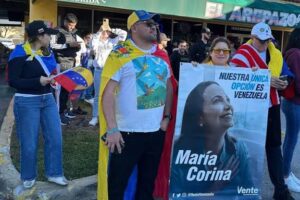
As news spread, Venezuelans poured into streets, banged pots and pans, waved flags, and embraced strangers. For many, this was not simply political news; it was the collapse of a system they believed had robbed them of dignity, opportunity, and security. Yet amid jubilation, serious questions remain about what comes next.
The Fall of Maduro: How the Moment Unfolded
Nicolás Maduro’s leadership, which followed the legacy of Hugo Chávez, had long been under scrutiny both domestically and internationally. His ouster came after mounting internal pressure, fractures within key institutions, and growing public unrest fueled by economic hardship.
The announcement triggered an immediate and visceral reaction. In Caracas and other major cities, people emerged onto balconies and streets, chanting slogans associated with resistance movements. Fireworks lit up the night sky, and social media platforms flooded with videos of emotional celebrations.
For many Venezuelans, this moment symbolized the end of an era defined by shortages, hyperinflation, and mass migration.
Voices from the Streets: Relief, Joy, and Long-Suppressed Emotion
Celebrations Fueled by Survival
In working-class neighborhoods, celebrations carried a distinct tone of relief. Residents spoke of years spent rationing food, struggling to access medicine, and watching family members leave the country in search of stability.
Elderly citizens wept openly, recalling lost pensions and healthcare. Young adults described the moment as “the first time in our lives we feel change is possible.” The emotional weight of the event was unmistakable.
Cautious Optimism Among the Youth
While celebrations were loud, they were not naïve. Younger Venezuelans, many of whom grew up knowing only crisis, expressed hope tempered by realism. They celebrated the end of Maduro’s rule but emphasized that removing a leader does not automatically rebuild institutions.
Many called for transparency, accountability, and international cooperation, insisting that Venezuela must avoid repeating cycles of corruption and authoritarianism.
The Venezuelan Diaspora: Global Celebrations, Lingering Pain
Millions of Venezuelans living abroad joined the celebrations from cities across Latin America, North America, and Europe. Public squares filled with flags, music, and chants of unity.
For the diaspora, the ouster carried complex emotions. Joy mixed with grief for lost years, fractured families, and the inability to return home. Many expressed hope that they might one day go back—not as migrants fleeing hardship, but as citizens rebuilding their homeland.
International Reactions: Applause, Caution, and Strategic Calculations
Western Governments Welcome Change
Several democratic governments described the moment as an opportunity for Venezuela to rejoin the international community. Statements emphasized the importance of peaceful transition, free elections, and respect for human rights.
Diplomats stressed that celebration must now give way to institution-building, economic reform, and national reconciliation.
Allies of the Old Regime Remain Guarded
Countries that had maintained close ties with Maduro responded cautiously, emphasizing sovereignty and stability. Their statements avoided overt condemnation while signaling concern about chaos or external interference.
This divergence highlights how Venezuela’s future will remain a geopolitical issue, not just a domestic one.
Economic Fallout and Expectations
Markets React with Anticipation
Even before any concrete policy announcements, the mere prospect of political change ignited speculation about economic revival. Venezuelans inside the country expressed hope that sanctions relief, foreign investment, and currency stabilization could follow.
However, economists warn that expectations must be managed. Decades of mismanagement cannot be undone overnight, and rebuilding trust will take time.
Everyday Hopes: Jobs, Food, and Stability
For ordinary citizens, economic theory matters less than daily reality. Conversations in markets and homes centered on practical hopes: affordable food, reliable electricity, functioning hospitals, and jobs that pay a living wage.
The ouster of Maduro raised expectations that life’s basics might finally become accessible again.
The Risk of Power Vacuums and Political Fragmentation
While celebrations dominate headlines, analysts caution against overlooking risks. Power vacuums can invite instability, factionalism, or even violence if not managed carefully.
Venezuela’s opposition has historically struggled with unity, and the post-Maduro period will test its ability to govern inclusively. Many citizens fear that internal rivalries could derail progress if leaders prioritize power over reform.
Calls for Justice Without Revenge
A recurring theme in public discourse is justice. Victims of repression, political prisoners, and families of those lost during protests demand accountability.
At the same time, many Venezuelans emphasize the need to avoid revenge. Social media discussions frequently echo the phrase: “Justice, not vengeance.” The challenge lies in balancing truth, accountability, and national healing.
Media, Misinformation, and the Battle for Narrative
The fall of Maduro has unleashed a flood of narratives competing to define what happened and why. Independent journalists and citizen reporters have worked to document events in real time, while misinformation has also spread rapidly.
Venezuelans are increasingly aware that controlling the narrative matters. Trust in credible information is now seen as essential to preventing manipulation during the transition.
A Psychological Turning Point for a Weary Nation
Beyond politics and economics, the ouster represents a profound psychological shift. Years of hopelessness had conditioned many Venezuelans to expect disappointment. The sudden change disrupted that mindset.
Mental health professionals note that collective hope—while fragile—can be transformative. Belief in a future can motivate civic participation, entrepreneurship, and social cohesion.
What Comes Next: Uncertainty Meets Opportunity
The days following Maduro’s ouster are defined by unanswered questions:
Will a stable transitional government emerge?
Can institutions be rebuilt without repeating past mistakes?
Will international support translate into tangible improvements for citizens?
For now, Venezuela stands between memory and possibility. The celebrations reflect not just joy, but determination to ensure that this moment is not wasted.
Conclusion: A Nation Reclaims Its Voice
The ouster of Nicolás Maduro has unleashed a wave of emotion that stretches far beyond Venezuela’s borders. For supporters and critics alike, the moment is historic. For Venezuelans themselves, it is deeply personal.
Celebrations in the streets symbolize resilience—the refusal to surrender hope despite years of hardship. Yet the real test lies ahead. Transforming celebration into sustainable progress will require unity, patience, and leadership rooted in accountability.
Venezuela’s story is far from over. But for the first time in a long while, millions of Venezuelans feel they are no longer just surviving history—they are shaping it.
How useful was this post?
Click on a star to rate it!
Average rating 0 / 5. Vote count: 0
No votes so far! Be the first to rate this post.
About the Author

usa5911.com
Administrator
Hi, I’m Gurdeep Singh, a professional content writer from India with over 3 years of experience in the field. I specialize in covering U.S. politics, delivering timely and engaging content tailored specifically for an American audience. Along with my dedicated team, we track and report on all the latest political trends, news, and in-depth analysis shaping the United States today. Our goal is to provide clear, factual, and compelling content that keeps readers informed and engaged with the ever-changing political landscape.