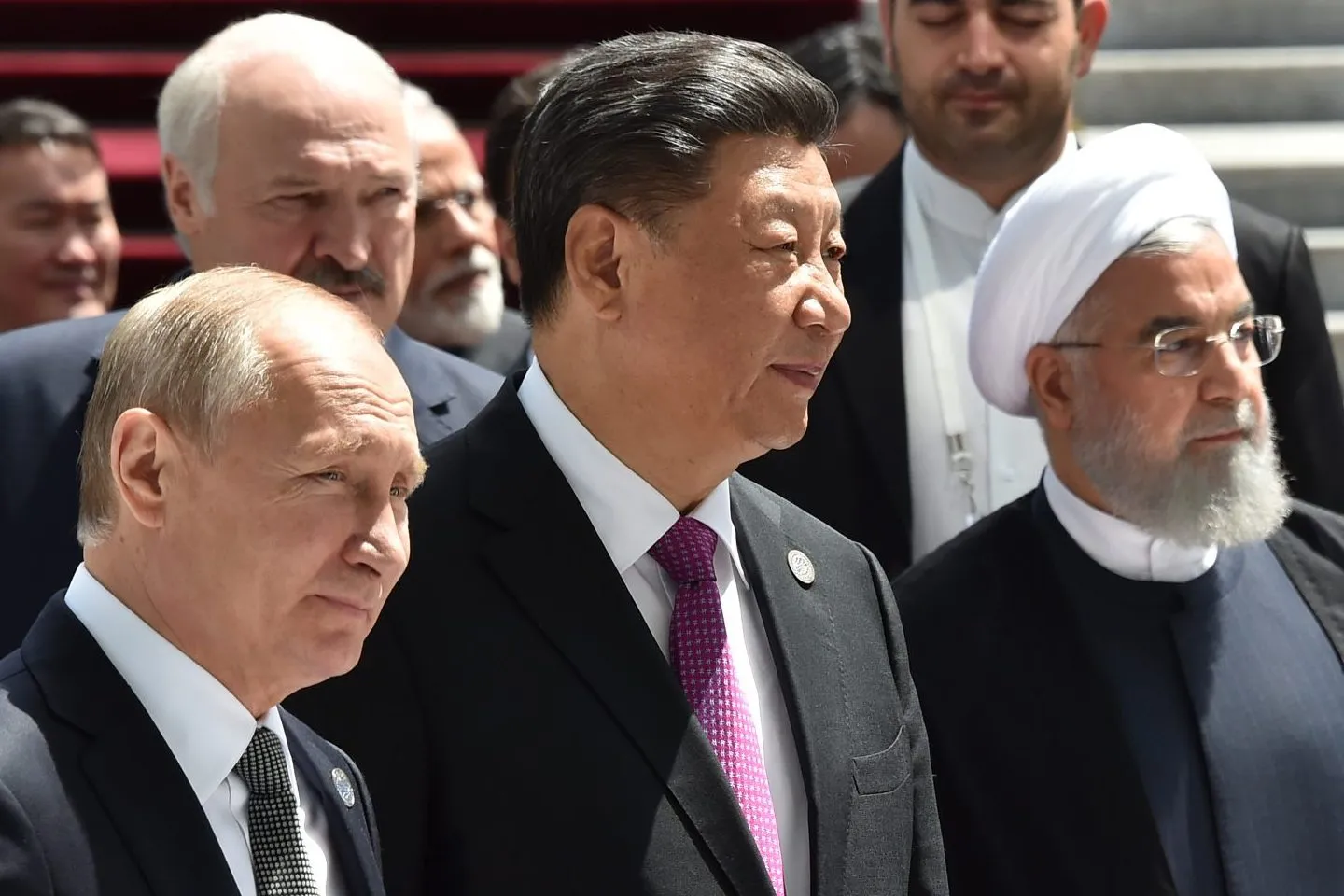
The global diplomatic landscape is undergoing a monumental shift. High-level meetings between officials from Tehran,Russian President Vladimir Putin, and senior Chinese diplomats have solidified a formidable Eurasian axis. Once viewed as separate regional dynamics, the deepening ties between the Islamic Republic of Iran, the Russian Federation, and the People’s Republic of China have coalesced into a strategic trilateral framework.
This emerging partnership counters Western economic dominance, establishes alternative trade networks, and asserts regional security models independent of transatlantic alliances. From energy corridors to joint defense initiatives, the convergence of Iran, Russia, and China reflects a structural shift toward a multipolar world order.
The Eurasian Triad: Background and Strategic Context
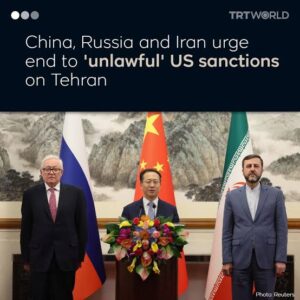
The foundation of the Iran-Russia-China framework stems from shared strategic pressures. Over the past decade, each nation has faced escalating trade restrictions, diplomatic pushback, or economic sanctions from the United States and European institutions.
┌─────────────────────────────────────────────────────────────────┐
│                    EURASIAN TRIAD DYNAMICS                      │
├─────────────────────────────────────────────────────────────────┤
│  IRAN: Geostrategic Hub, Maritime Corridors & Energy Supplies   │
├─────────────────────────────────────────────────────────────────┤
│  RUSSIA: Defense Capabilities, Raw Minerals & Energy Resources  │
├─────────────────────────────────────────────────────────────────┤
│  CHINA: Economic Infrastructure, Manufacturing & Financial Tech │
└─────────────────────────────────────────────────────────────────┘
Rather than operating in isolation, Tehran, Moscow, and Beijing have leveraged key institutional platforms to lock in cooperation:
Shanghai Cooperation Organisation (SCO): Iran’s full integration into the SCO provides formal mechanisms for anti-terrorism coordination, regional stability, and security alignment across Eurasia.
BRICS Expansion: As active participants within BRICS, the trio promotes cross-border payments in local currencies, bypassing traditional dollar-dominated clearings.
Comprehensive Bilateral Pacts: Bilateral frameworks—such as the Iran-China 25-Year Cooperation Program and strategic agreements between Iran and Russia—serve as the building blocks for this broader trilateral alignment.
Core Pillars of the Iran-Russia-China Alignment
1. Geopolitical and Diplomatic Synergy
The partnership operates on mutual protection within international forums. At the United Nations Security Council (UNSC) and the International Atomic Energy Agency (IAEA), Beijing and Moscow routinely exercise veto power or issue joint statements supporting Iranian sovereign rights and diplomatic resolutions over unilateral coercion.
2. De-Dollarization and Financial Sovereignty
Sanctions hit hardest through financial clearing systems like SWIFT. To insulate their economies, the three nations are developing integrated financial channels:
National Currency Trade: Settlement of energy, agricultural, and industrial products using the Renminbi, Ruble,and Rial.
Interbank Messaging Systems: Linking domestic messaging protocols (such as Russia’s SPFS and Iran’s SEPAM) to maintain trade operations regardless of Western sanctions.
3. Energy Security and Infrastructure
Iran possesses massive oil and gas reserves, while China representsrepresents the world’s largest energy consumer. Russia, a global energy giant, completes the loop. Through discounted energy transfers, pipeline integration, and direct investment,Beijing secures stable resource flows while helping Tehran and Moscow sustain national revenue streams.
Defense Cooperation and Joint Naval Drills
Military coordination between the three capitals has expanded from technical assistance to active joint operations. The annual “Maritime Security Belt” naval exercises in the Gulf of Oman highlight this deepening operational synergy.
                 [ Maritime Security Belt ]
                             │
     ┌───────────────────────┼───────────────────────┐
     ▼                       ▼                       ▼
  [ IRAN ]                [ RUSSIA ]              [ CHINA ]
Geostrategic Access   Advanced Logistics     Naval Capabilities
 & Coastal Bases       & Tactical Tech        & Fleet Support
Key Security Objectives
Protecting Sea Lines of Communication: Ensuring unhindered passage for commercial tankers across the Strait of Hormuz and northern Indian Ocean.
Deterrence Strategy: Demonstrating operational interoperability to deter external naval blockades or unilateral actions in shared maritime zones.
Intelligence & Logistics Sharing: Coordinating surveillance, anti-piracy maneuvers, and search-and-rescue protocols across strategic chokepoints.
Trade Networks and Eurasian Connectivity
A vital component of the trilateral axis is the development of secure trade corridors that bypass Western maritime control points.
By securing the Caspian transit system and expanding rail networks across Central Asia, the trilateral alliance creates supply routes immune to traditional maritime embargos.
Global Impact and Implication for Western Hegemony
The consolidation of the Iran-Russia-China coalition represents a direct challenge to the post-Cold War international system.
┌─────────────────────────────────────────────────────────────────┐
│                    GLOBAL POWER PARADIGMS                       │
├──────────────────────────────────┬──────────────────────────────┤
│ US-Western Model                 │ Eurasian Triad Model         │
├──────────────────────────────────┼──────────────────────────────┤
│ • Unipolar governance            │ • Multipolar regional balance│
│ • SWIFT / Dollar financial system│ • Local currency settlements │
│ • Transatlantic security pacts   │ • Non-aligned bilateral ties │
└──────────────────────────────────┴──────────────────────────────┘
For Washington and Brussels, the trilateral pact alters strategic calculations:
Reduced Sanctions Efficacy: Economic pressure loses impact when target states maintain trade channels with major economies like China and Russia.
Divided Geopolitical Attention: Western security focus is stretched across Eastern Europe, West Asia, and the Indo-Pacific simultaneously.
Global South Appeal: Non-aligned nations in Africa, South America, and Asia increasingly view the Eurasian coalition as an alternative source of trade, technology, and development capital without political conditions attached.
Regional Dynamics Across West Asia
Within West Asia, the trilateral alignment reinforces regional stability while shifting local power balances:
Normalization and Diplomacy: Chinese mediation in regional diplomatic talks demonstrates Beijing’s expanding footprint as a diplomatic power broker.
Infrastructure Investments: Chinese and Russian capital assists Iran in modernizing its port facilities (such as Chabahar and Bandar Abbas), upgrading energy grids, and enhancing transport hubs.
Defense Integration: Joint technological sharing enhances regional defense platforms, creating high operational hurdles for external strategic pressure.
Strategic Outlook
The trilateral alliance between Iran, Russia, and China is not a rigid ideological treaty like Cold War blocs, but a pragmatic coalition bound by common strategic objectives. As economic integration accelerates and joint security maneuvers expand, the Eurasian triad continues to anchor a multipolar world order.
Moving forward, the durability of this partnership will depend on navigating internal economic priorities and managing relationships with non-aligned powers. However, one reality remains clear: the diplomatic, security, and economic architecture of Eurasia is being permanently rewritten by Tehran, Moscow, and Beijing.
Frequently Asked Questions (FAQs)
What is the primary focus of the trilateral alliance between Iran, Russia, and China?
The coalition focuses on political alignment, de-dollarized economic trade, energy cooperation, and security coordination aimed at promoting a multipolar global order and mitigating Western sanctions.
Is there a formal mutual defense treaty between Iran, Russia, and China?
No formal collective defense treaty exists akin to NATO. Instead, the alliance operates through bilateral strategic agreements, joint military drills (such as the Maritime Security Belt), intelligence sharing, and mutual diplomatic protection at the UN.
How does the alliance affect Western sanctions on Iran and Russia?
By trading in local currencies (RMB, Ruble, Rial), building alternative interbank messaging systems, and utilizing internal trade networks like the INSTC and Caspian Sea, the alliance significantly reduces the impact of Western financial blockades.
What role does the Shanghai Cooperation Organisation (SCO) play in this partnership?
The SCO serves as an institutional platform for all three nations—alongside Central Asian partners—to coordinate anti-terrorism efforts, secure Eurasian borders, and build regional trade infrastructure without external intervention.
About the Author