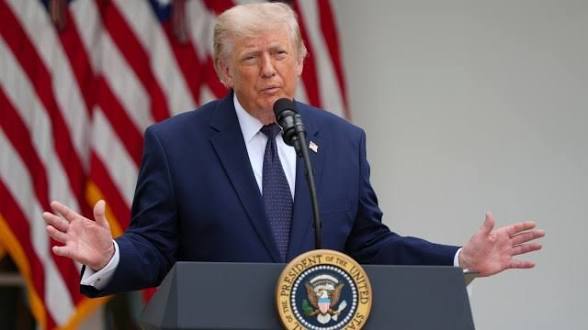
Trump has maintained that he would prefer a negotiated solution. However, he has also made clear that the United States is prepared to act if Iran does not meet American demands.
The latest developments highlight the difficult balance between diplomacy and military pressure. Both governments face significant economic and security challenges, while regional leaders are concerned about the possibility of renewed fighting.
According to recent reporting, negotiations have continued through regional mediators, including Qatar. Yet the two sides remain divided over nuclear restrictions, sanctions, and control of the Strait of Hormuz.
Axios+1
The central question is whether the latest diplomatic efforts can produce an agreement before the conflict escalates again.
What Trump means by “finish the job”
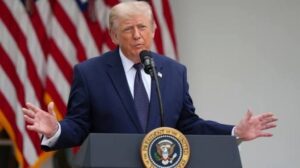
Trump’s warning reflects his administration’s position that the conflict must end with a settlement that addresses American security concerns.
The president has repeatedly argued that Iran must not obtain a nuclear weapon. He has also insisted that military pressure remains an option if negotiations fail.
In an interview with Axios earlier this week, Trump said the United States would take action one way or another, but added that there was no immediate rush to resume fighting.
He described the ongoing pressure campaign as damaging Iran’s economy and suggested that Tehran had greater motivation to reach an agreement than before.
The administration’s position combines diplomatic engagement with preparations for possible military action. This approach is intended to encourage Iranian concessions while keeping the option of renewed strikes available.
Axios+1
However, the strategy carries risks. A threat intended to strengthen negotiations could also make Iranian officials less willing to compromise.
Iran negotiations remain complicated
The United States and Iran have continued communicating through regional intermediaries. Qatar has played a central role in efforts to restart direct negotiations and prevent the conflict from expanding.
According to reports, Qatari mediators have circulated a draft agreement intended to create confidence-building measures between Washington and Tehran.
The proposed process could help the two sides return to formal discussions. However, the latest round of consultations has not yet produced a breakthrough.
Iranian officials have indicated that their proposals remain focused on ending the conflict and addressing American restrictions. Washington, meanwhile, continues to demand commitments that prevent Iran from developing a nuclear weapon.
These differences remain at the heart of the diplomatic challenge.
Axios+1
Why nuclear restrictions are central to the talks
The nuclear issue remains one of the most important obstacles to a lasting agreement.
The Trump administration wants Iran to make verifiable commitments that prevent it from developing a nuclear weapon. American officials have argued that any settlement must include meaningful restrictions and a reliable system of verification.
Iran, however, has its own demands. Tehran has sought relief from economic sanctions and restrictions on its oil exports. Iranian officials have also questioned the order in which nuclear negotiations and other measures should take place.
The disagreement is significant because both sides want guarantees before making major concessions.
Washington wants confidence that Iran will not rebuild its nuclear capabilities. Tehran wants assurances that an agreement will lead to meaningful economic relief rather than another round of restrictions.
A potential settlement could therefore require several stages. These might include nuclear inspections, commitments concerning enriched uranium, and an agreed timetable for sanctions relief.
Such measures would need to be clear enough for both governments to demonstrate compliance.
The challenge is not simply reaching an agreement. It is creating a framework that both sides believe will remain effective after the immediate crisis ends.
The role of Qatar and other regional mediators
Regional mediation has become increasingly important as the United States and Iran attempt to avoid another round of fighting.
Qatar has been involved in efforts to bring the two sides closer together. Other countries, including Pakistan, Saudi Arabia, Egypt, and Turkey, have also supported diplomatic efforts.
The mediators face a difficult task. They must identify terms that Washington and Tehran can accept without forcing either government to abandon its central demands.
Recent reports indicate that discussions have included confidence-building measures and possible steps toward restarting direct negotiations.
However, the mediators cannot guarantee a breakthrough. The final decision rests with the governments involved.
A successful diplomatic process would require both sides to show flexibility. It would also require a clear understanding of what happens if either government fails to meet its commitments.
The involvement of regional powers could help reduce misunderstandings and provide channels for communication during periods of heightened tension.
At the same time, mediation cannot eliminate the underlying political differences between Washington and Tehran.
The Strait of Hormuz adds pressure
The Strait of Hormuz is another major factor in the negotiations.
The waterway is one of the world’s most important routes for energy shipments. Any prolonged disruption could affect oil prices, shipping costs, and the wider global economy.
The conflict has already raised concerns about maritime security and the movement of commercial vessels.
For the United States, protecting shipping and maintaining regional stability are important objectives. Iran, meanwhile, views the maritime restrictions imposed on it as a major economic concern.
This creates another difficult negotiating issue.
A settlement may need to address the security of commercial shipping, the movement of vessels, and the restrictions affecting Iranian ports.
The consequences extend well beyond the two countries. Energy-importing nations could face higher costs if shipping disruptions continue.
That is one reason regional governments have strong incentives to support a diplomatic solution.
Trump’s warning comes amid political pressure
The warning to Iran also comes at a politically significant moment in the United States.
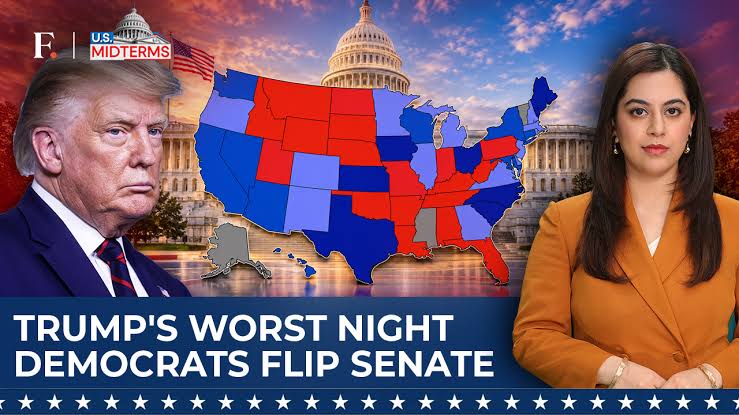
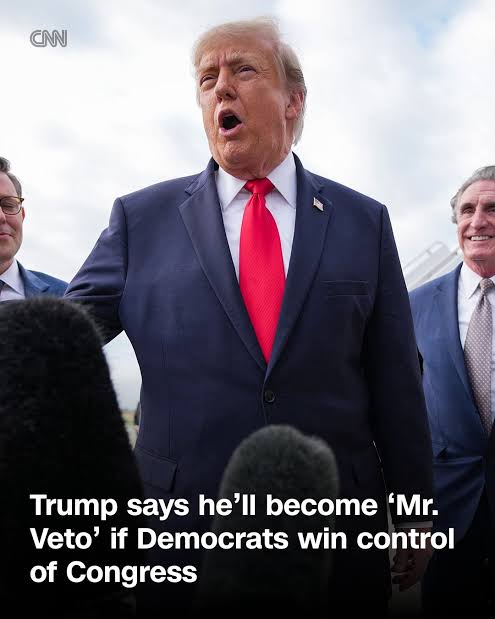
The November 3 midterm elections produced major Democratic victories, including a shift in control of Congress. The results have intensified debate over the administration’s handling of the conflict.
Trump has acknowledged that the war contributed to Republican losses. However, he has continued to defend his decision to launch military action against Iran.
He has argued that preventing Iran from obtaining a nuclear weapon is a long-term security priority.
The election results may increase pressure on the administration to demonstrate progress toward ending the conflict.
At the same time, Trump’s public statements suggest that he does not want to appear to be abandoning his objectives.
This creates a difficult political balance. The administration must address concerns about the cost of the conflict while maintaining its stated security goals.
The election results do not automatically determine the future of American military policy. However, they could influence the political environment in which decisions are made.
What could happen if negotiations fail?
If negotiations fail, the United States could consider renewed military action.
Trump has said that American forces are prepared to act if necessary. However, he has also indicated that he is not in a hurry to make a decision about further strikes.
That distinction matters.
Military readiness does not necessarily mean that an attack is imminent. The administration may continue using diplomatic and economic pressure while evaluating its options.
A renewed campaign could create further uncertainty across the Middle East. Iran has warned that it would respond to additional attacks.
Such a response could involve military targets, regional infrastructure, or other interests connected to the conflict.
The possibility of retaliation is one reason neighboring countries have urged restraint.
Another round of fighting could also make future negotiations more difficult. The destruction of infrastructure, additional casualties, and rising economic costs could deepen mistrust between the two governments.
Even if military action achieved immediate objectives, it would not necessarily resolve the political disagreements that caused the conflict.
Why a diplomatic agreement remains possible
Despite the threats, diplomacy has not ended.
Trump has continued to express interest in a settlement, while Iranian officials have indicated that communication through mediators remains active.
The continued involvement of regional governments suggests that there is still interest in finding a negotiated solution.
However, diplomatic activity should not be confused with a completed agreement.
The two sides must still resolve important questions about nuclear restrictions, sanctions, maritime security, and the future of the conflict.
They also need to agree on how any settlement would be implemented.
A successful agreement would likely require a combination of political commitments, verification measures, and economic arrangements.
It would also need to address the possibility that either side could withdraw from its commitments.
These issues make the negotiations difficult, but they do not make an agreement impossible.
What happens next?
The immediate focus is likely to remain on the diplomatic proposals being discussed through regional mediators.
The United States will want to determine whether Iran is prepared to make meaningful commitments on nuclear security.
Iran will want to understand what economic and political benefits it could receive in return.
Both sides will also need to decide whether the current military and economic pressure can be reduced as negotiations progress.
The coming days could therefore be important for determining whether the conflict moves toward a settlement or another period of escalation.
Trump’s warning is a reminder that the administration continues to view military action as an available option.
But his statements about negotiations also suggest that a diplomatic outcome remains possible.
The most important question is whether the two governments can translate their public positions into practical commitments.
Until that happens, uncertainty will continue to surround the future of the conflict.
Frequently asked questions
1. Why is Trump warning Iran during negotiations?
Trump is seeking an agreement that addresses American security concerns, particularly Iran’s nuclear programme. He has warned that the United States could resume military action if negotiations fail.
2. What does “finish the job” mean in the Iran conflict?
The phrase refers to Trump’s stated intention to achieve his administration’s objectives through a negotiated settlement or, if necessary, further military action.
3. Are the United States and Iran still negotiating?
Yes. Recent reports indicate that the two sides continue communicating through regional mediators, including Qatar. However, no final agreement has been announced.
4. What is the main obstacle to an agreement?
The biggest obstacles include nuclear restrictions, sanctions relief, maritime security, and disagreements over the order in which each side must make concessions.
5. Could the United States launch another attack on Iran?
Renewed military action remains possible. Trump has said American forces are prepared to act, but he has also indicated that he is not in a hurry to resume strikes.
6. What role is Qatar playing in the negotiations?
Qatar is helping facilitate communication between Washington and Tehran. Its mediation efforts include proposals intended to build confidence and restart direct negotiations.
7. Why is the Strait of Hormuz important?
The Strait of Hormuz is a major global energy shipping route. Disruptions could affect oil supplies, shipping costs, and economic conditions around the world.
8. Could a peace agreement end the conflict permanently?
A lasting agreement would need to address the causes of the conflict, establish verifiable commitments, and create a process for resolving future disagreements. Whether the current negotiations can achieve that remains uncertain.
SEO and readability note: The article uses short paragraphs, descriptive headings, transition words, and an active-voice style. The focus keyphrase appears in the title and introductory section. The meta description is within the recommended 150–160 character range.
About the Author