JESSE WATTERS DEMOCRATS: Fox News Host Slams Opposition Party Over Candidate Quality And Policy Failures
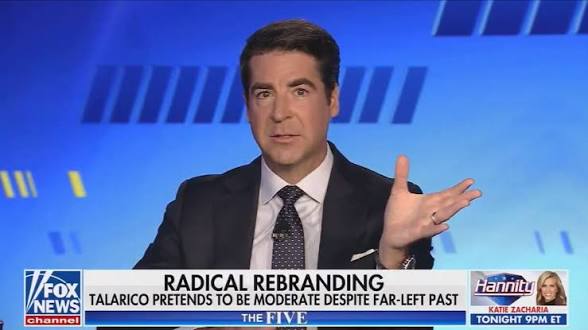
The relationship between Jesse Watters and the Democratic Party remains a recurring feature of American political television. As a prominent Fox News host, Watters frequently criticizes Democratic leaders, campaign strategies, and policy priorities. His commentary often focuses on whether the party can present candidates who connect with voters and offer clear answers to the country’s biggest challenges.
The debate has renewed importance ahead of the 2026 US midterm elections. Candidates from both parties face pressure to address inflation, healthcare costs, immigration, public safety, and confidence in government. These issues could influence how voters evaluate political leadership and party performance.
Fox News has published several segments featuring Watters criticizing Democratic political strategy. On October 20, 2026, his program discussed Democratic messaging and the party’s approach to the midterm elections. An earlier segment, published on October 16, examined key congressional races in Michigan and Texas.
The broader question is whether the Democratic Party can turn its policy proposals into a persuasive message for voters across different regions and political backgrounds.
Who Is Jesse Watters?
 ⁹
Watters is known for a direct, confrontational style that appeals to many conservative viewers. His programs combine political analysis, interviews, criticism of public figures, and discussion of news developments.
His commentary is best understood as opinion journalism rather than a neutral assessment of every political dispute. That distinction matters when evaluating his criticism of Democrats, because the conclusions he draws reflect a particular political perspective.
Nevertheless, his remarks contribute to a wider national conversation about candidate selection, campaign messaging, and the issues that may shape the midterm elections.
Why Jesse Watters Criticizes Democratic Candidates
Candidate quality is a recurring theme in Watters’ criticism of the Democratic Party. His argument is that political parties must offer credible, capable, and persuasive candidates if they want to win public support.
In a Fox News opinion article published on May 18, 2023, Watters argued that talent, qualifications, and independence were not receiving sufficient attention in Democratic politics. His remarks focused partly on then-Senator John Fetterman and his public presentation and policy positions.
That earlier commentary provides a documented example of the broader criticism reflected in the headline.
However, judging a candidate requires more than examining clothing, speaking style, or television appearances. Voters may also consider legislative experience, policy knowledge, leadership skills, ethical conduct, and the ability to represent constituents.
A candidate who attracts attention may not necessarily govern effectively. Similarly, a candidate who communicates differently from traditional politicians may still have substantial support among voters.
The political challenge for Democrats is to demonstrate that their nominees can communicate their ideas clearly while responding to concerns that extend beyond their most loyal supporters.
The Importance of Candidate Credibility
Credibility can influence how voters respond to a political campaign. Candidates must explain what they intend to do, how their proposals would work, and how they would pay for them.
They must also answer questions about their records and acknowledge the practical limits of government action.
Critics of the Democratic Party frequently argue that some candidates focus too heavily on ideological messaging. Supporters counter that ambitious proposals can address problems that conventional approaches have failed to resolve.
The central disagreement concerns what voters value most: experience, ideological consistency, practical results, personal appeal, or a combination of these qualities.
There is no single answer that applies to every election. A candidate’s success depends on the district, the competing candidates, the local economy, and the concerns of the electorate.
Democratic Party Policy Failures: What Are the Main Areas of Debate?
The phrase “policy failures” is a political judgment, not a universally established description of the Democratic Party’s record. Still, several policy areas regularly feature in criticism of Democratic leadership.
1. Inflation and the Cost of Living
The cost of living remains an important issue in American politics. Families consider grocery prices, housing, electricity, transportation, insurance, and healthcare when deciding whether their financial situation is improving.
Republican critics often connect economic dissatisfaction to Democratic spending priorities and government regulation. They argue that excessive spending or poorly designed policies can contribute to financial pressure.
Democrats generally point to a wider range of factors, including corporate pricing decisions, housing shortages, global economic disruptions, and the effects of policies enacted by different administrations.
Neither party can establish responsibility for every price change with a campaign slogan alone. Inflation has multiple causes, and its effects vary across households and regions.
For Democratic candidates, the challenge is to explain how their proposals would improve household finances in measurable ways. Promises to protect working families carry greater weight when supported by realistic plans, clear costs, and evidence of likely results.
For Republicans, criticism of Democratic economic policy must also be accompanied by credible alternatives.
2. Immigration and Border Security
Immigration remains another major dividing line between the parties.
Conservative commentators often argue that Democratic immigration policies have been too permissive or have failed to provide sufficient border enforcement. They also question whether Democratic leaders have responded adequately to concerns about illegal crossings, asylum processing, and pressure on local services.
Democrats, meanwhile, have supported different combinations of border enforcement, legal immigration pathways, asylum protections, and changes to the immigration system.
The party does not have a single position shared equally by every candidate. Some Democrats advocate tougher enforcement, while others emphasize humanitarian obligations and expanded legal pathways.
This diversity can create difficulties in national messaging. Candidates in competitive districts may need to explain how their individual proposals differ from those of other members of their party.
A strong immigration policy must also be evaluated through practical outcomes, including enforcement capacity, legal processing, public safety, and the treatment of people seeking protection.
3. Healthcare and Government Spending
Healthcare is a major area of disagreement between Democrats and Republicans.
Democrats often emphasize broader insurance coverage, affordability, and government support for people who struggle to access medical care. Republican critics question the cost, efficiency, and administrative burden of some government programs.
These debates involve difficult trade-offs. Expanding access can help people obtain treatment, but funding decisions affect public budgets. Reducing spending may lower government costs, but it can also leave some households facing higher expenses or fewer services.
Democratic candidates must explain how they would balance access, affordability, and financial sustainability.
Republican candidates face a similar responsibility when proposing reductions or alternative systems.
The key question is not simply whether a policy sounds appealing. It is whether the policy can deliver its promised benefits, how much it costs, and who bears the financial burden.
4. Public Safety and Criminal Justice
Crime and public safety frequently become central issues in election campaigns, particularly in cities and competitive congressional districts.
Conservative commentators have criticized progressive approaches to policing and criminal justice, arguing that some proposals could weaken enforcement or fail to protect communities.
Democratic officials and candidates have offered a range of responses, including support for community policing, criminal justice reform, violence prevention, and investment in local services.
Positions differ considerably across the party. Some Democrats advocate stronger enforcement against violent crime, while others place greater emphasis on reforming police practices and addressing the causes of criminal activity.
Candidates must demonstrate how their policies would protect residents while maintaining accountability.
Voters may assess these promises through local crime data, police staffing, prosecution practices, emergency response times, and their own experiences in their communities.
Broad claims about a national party’s approach should therefore be tested against specific policies and local results.
The Democratic Party’s Candidate Selection Challenge
Candidate recruitment is a complicated process. Parties must identify people who can raise campaign funds, communicate with voters, build local support, and compete against opponents with different strengths.
Democrats also face the challenge of appealing to a broad coalition. Their voters include progressives, moderates, urban residents, suburban families, labor supporters, and independents who may prioritize different issues.
A message that works in one state may not succeed in another. Candidates in competitive districts may need to emphasize practical economic concerns, while those in strongly Democratic areas may face pressure to support more ambitious reforms.
Progressive and Moderate Democrats
The difference between progressive and moderate Democrats can create disagreements over the party’s priorities.
Progressive candidates often advocate stronger government action on economic inequality, healthcare, climate change, and corporate power. Moderate Democrats may place greater emphasis on bipartisan cooperation, targeted reforms, and policies they believe can attract independent voters.
Neither approach guarantees electoral success.
A progressive candidate may energize younger voters and people seeking major changes. A moderate candidate may appeal to voters who prefer incremental reforms. Both can struggle if their message fails to address local concerns.
The challenge for party leaders is to recruit candidates who fit their constituencies while maintaining a coherent national message.
Recent reporting on the 2026 midterm campaign has highlighted Democrats’ efforts to adjust their appeal to male voters and respond to perceptions that the party has become disconnected from some sections of the electorate. The debate includes both cultural messaging and practical economic concerns.
This illustrates why candidate quality cannot be separated entirely from the political environment. A candidate’s success may depend on personal qualifications, party identity, campaign strategy, and the issues dominating the election.
Jesse Watters and the Politics of Television Commentary
Television commentary plays a significant role in shaping how political developments are discussed by millions of Americans.
Watters’ approach often uses sharp criticism, humor, and strong language to challenge political opponents. This style can make complex political disagreements easier for audiences to follow, but it can also reduce complicated policy questions to arguments about individual personalities.
For supporters, direct criticism can expose weaknesses they believe mainstream political coverage overlooks.
For critics, partisan commentary can encourage viewers to interpret events through a fixed political lens.
Both reactions are part of the wider debate about political media.
Fox News is an important platform for conservative perspectives, while other news organizations approach the same developments from different editorial positions. Readers seeking a balanced understanding should compare commentary with primary documents, full interviews, official voting records, and independent reporting.
The distinction is especially important when a headline describes a politician as having exposed a failure or discredited an opponent. Such language may reflect the commentator’s interpretation rather than a verified conclusion.
Why the Original Broadcast Matters
Before attributing a specific statement to Watters, readers should identify the broadcast, its date, and the full context of the discussion.
Fox News published a segment on October 7, 2026, in which Watters examined the political agenda associated with progressive Democrats and possible contenders for the 2028 presidential election. Another segment on October 20 covered Democratic messaging ahead of the midterms.
These reports demonstrate that criticism of Democratic candidates and political strategy is part of Watters’ documented commentary.
However, they should not be treated as proof that every criticism described in the headline was made in a single broadcast. Specific allegations and quotations require direct verification.
What the 2026 Midterm Elections Mean for Democrats
The 2026 midterm elections will test both parties’ ability to turn national political arguments into votes.
Midterm elections often become a referendum on the party holding the presidency, but local conditions also matter. Candidates must address their districts’ economic conditions, demographic differences, and concerns about government performance.
For Democrats, the challenge includes persuading voters that their policies can produce tangible benefits.
That means explaining how proposed changes could affect household budgets, healthcare access, employment, public safety, and immigration enforcement. Candidates must also show how their plans would be implemented.
Republicans, in turn, must demonstrate that their own proposals offer workable solutions to the problems they identify.
Economic Messaging Could Shape Voter Decisions
Economic concerns frequently influence election outcomes because they affect daily life.
Voters may disagree about the causes of high prices while sharing concerns about rent, groceries, energy bills, and medical costs. Candidates who explain their plans in clear, practical terms may find it easier to connect with these voters.
Democratic messaging that relies mainly on criticizing Republicans could leave some voters looking for more detailed answers. Conversely, Republican criticism of Democrats may have limited impact if voters remain dissatisfied with the alternatives offered by Republican candidates.
Recent reporting on North Carolina’s Senate race illustrates how affordability and healthcare access can become central campaign themes. Democrat Roy Cooper has emphasized his record on healthcare expansion and cost concerns, demonstrating one approach to reaching voters beyond traditional party messaging.
The lesson is broader than any single candidate: voters often want evidence that a proposed policy will improve their lives.
Voter Trust and Political Accountability
Trust can be as important as policy detail.
Voters may question candidates who make promises they cannot fulfill, change positions without explanation, or avoid discussing weaknesses in their records.
Both parties face this challenge. Political accountability requires candidates to explain their decisions and accept scrutiny from journalists, opponents, and constituents.
Democrats hoping to counter criticism from conservative commentators can strengthen their case by presenting verifiable achievements, acknowledging shortcomings, and explaining how they would improve existing programs.
They must also show that their candidates understand the concerns of people who do not automatically support the party.
Ultimately, voters decide whether a candidate’s message is credible. Television criticism can influence that judgment, but it cannot replace the election itself.
Can Jesse Watters’ Criticism Influence Democratic Campaigns?
Political commentary can shape public discussion by drawing attention to candidates, policies, and controversies.
A widely discussed television segment may encourage supporters to scrutinize an opponent or motivate campaigns to respond. It can also influence which issues receive attention on social media and in subsequent news coverage.
However, media attention does not automatically translate into votes.
A criticism may resonate strongly with one group while having little effect on another. Some viewers may agree with Watters’ assessment, while others may regard his remarks as partisan rhetoric.
The impact depends on the accuracy of the criticism, the credibility of the speaker, the candidate involved, and the importance of the issue to voters.
Democratic campaigns can respond most effectively by addressing substantive concerns rather than treating every negative television segment as a political crisis.
If an accusation concerns a candidate’s voting record, the relevant legislation and official records should be examined. If it concerns a policy proposal, the proposal’s details and likely effects should be assessed.
This approach allows voters to distinguish between persuasive rhetoric and evidence-based criticism.
What Democrats Could Do to Strengthen Their Political Position
Several practical steps could help Democratic candidates respond to criticism about leadership and policy.
First, communicate specific policy goals. Candidates should explain what they intend to change, how they would implement the change, and how success would be measured.
Second, address economic concerns directly. Voters should be able to understand how a proposal could affect their income, expenses, employment prospects, and access to essential services.
Third, recruit candidates who understand their communities. Local knowledge, communication skills, relevant experience, and the ability to respond to difficult questions can help candidates build trust.
Fourth, acknowledge disagreements within the party. Democrats may disagree on healthcare, immigration, public spending, and social policy. Explaining those differences honestly can be more useful than pretending that every candidate holds identical views.
Fifth, support claims with evidence. Campaigns should use verifiable statistics, clear comparisons, and realistic projections rather than relying solely on emotional appeals.
These steps would not guarantee electoral victories. Political outcomes depend on many factors, including the opposing party’s performance, turnout, economic conditions, and unexpected events.
Nevertheless, clear communication and credible proposals can help voters make more informed decisions.
Conclusion: Jesse Watters’ Criticism Reflects a Wider Political Debate
The discussion surrounding Jesse Watters and the Democratic Party highlights a recurring question in American politics: can a party persuade voters that its candidates are capable and its policies will deliver meaningful results?
Watters has a documented history of criticizing Democratic candidates and political priorities on Fox News. His May 2023 commentary questioned the importance Democrats placed on candidate qualifications, while his more recent programming has examined the party’s messaging and electoral strategy.
Those remarks reflect a conservative critique of Democratic leadership, but they do not establish that the party’s candidates or policies have uniformly failed.
A fair assessment requires examining individual candidates, specific policy proposals, measurable outcomes, and the alternatives offered by Republicans.
As the 2026 midterms approach, both parties face the same fundamental test: convincing voters that their candidates understand the country’s problems and can provide credible solutions.
For Democrats, the ability to connect policy promises with everyday concerns could prove especially important. For voters, the best approach is to examine the evidence behind political claims rather than relying exclusively on commentary from either side.
Frequently Asked Questions (FAQs)
1. Who is Jesse Watters?
Jesse Watters is a Fox News host who presents Jesse Watters Primetime and co-hosts The Five. He is known for conservative political commentary and interviews with public figures.
2. Why does Jesse Watters criticize Democrats?
Watters has criticized Democratic candidates, leadership, and policy priorities. His commentary has included questions about candidate qualifications, political messaging, and the direction of the party. These arguments represent his political perspective.
3. What has Jesse Watters said about Democratic candidates?
In a May 18, 2023, Fox News opinion article, Watters argued that Democrats were not placing sufficient importance on candidates’ talent, qualifications, and independence.
4. Which Democratic policies face criticism from Republicans?
Common areas of disagreement include immigration, inflation, government spending, healthcare, public safety, and criminal justice. Republicans and Democrats often disagree about both the causes of these problems and the best solutions.
5. Are all Democratic candidates considered unqualified?
No. Candidate qualifications vary, and political criticism does not establish that an entire party’s candidates lack experience or ability. Each candidate should be evaluated using their record, experience, policies, and performance.
6. How could Jesse Watters’ commentary affect the 2026 midterms?
His commentary may influence political discussions among viewers, draw attention to particular issues, and encourage campaigns to respond to criticism. However, its actual electoral impact cannot be determined from television coverage alone.
7. Where can readers watch Jesse Watters discuss Democrats?
Readers can look for relevant segments on the official Fox News website, including the Jesse Watters video page. The page provides information about his programs and published commentary.
8. Why is candidate quality important in elections?
Candidates must communicate clearly, understand policy issues, earn public trust, and represent their constituents. Their qualifications and leadership skills can influence voters, although electoral outcomes also depend on party affiliation, campaign strategy, and local conditions.
9. What issues are likely to matter in the 2026 midterm elections?
Major issues include the economy, cost of living, healthcare, immigration, public safety, and confidence in government. Their relative importance will vary across states and congressional districts.
10. Is Jesse Watters’ criticism of Democrats an established fact?
Not necessarily. His statements are political commentary. Specific factual claims should be checked against reliable evidence, while judgments about whether a policy is successful or a candidate is effective require careful evaluation.
How useful was this post?
Click on a star to rate it!
Average rating 0 / 5. Vote count: 0
No votes so far! Be the first to rate this post.
About the Author

usa5911.com
Administrator
Hi, I’m Gurdeep Singh, a professional content writer from India with over 3 years of experience in the field. I specialize in covering U.S. politics, delivering timely and engaging content tailored specifically for an American audience. Along with my dedicated team, we track and report on all the latest political trends, news, and in-depth analysis shaping the United States today. Our goal is to provide clear, factual, and compelling content that keeps readers informed and engaged with the ever-changing political landscape.