IRAN IN PERIL: Jack Keane Warns Regime, Military Strikes Loom, Regime Collapse Imminent
, economic and political pressure in years. Retired U.S. Army Gen. Jack Keane has repeatedly argued that sustained pressure could place Iran’s leadership on a pathway toward collapse, while recent developments show that the conflict remains highly volatile.
The situation, however, remains fluid. A potential regime collapse is not an established outcome, and there is no reliable timetable for suc development. Instead, the latest evidence points to a combination of military pressure, economic disruption, diplomatic activity and threats of further escalation.
Recent reporting shows that the United States has continued applying pressure on Tehran while Iran has warned that additional attacks could trigger retaliation. At the same time, Iranian officials have signaled an interest in negotiations under certain conditions.
The result is a dangerous standoff in which military escalation and diplomacy are developing simultaneously.
Jack Keane’s Warning About Iran
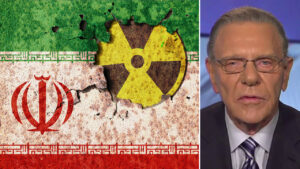
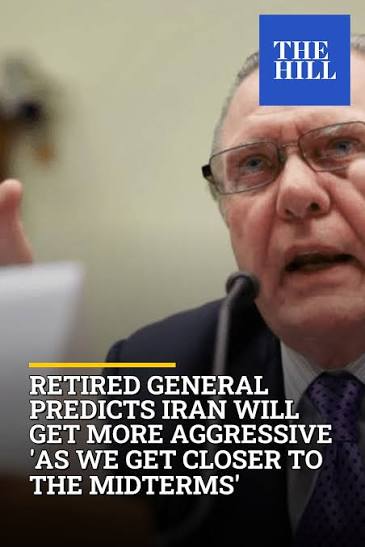
Jack Keane, a retired four-star U.S. Army general and Fox News senior strategic analyst, has argued that military and economic pressure could seriously weaken Iran’s leadership.
Keane has previously described the Iranian government as being on a potential “pathway to collapse.” His analysis has focused on the combined effect of military operations, pressure on Iran’s economy and damage to the country’s ability to sustain its regional military capabilities.
In January, Fox News reported Keane saying that the United States wanted Iran’s regime to collapse. In subsequent appearances, he continued arguing that pressure on Tehran should not be relaxed without meaningful concessions.
Those comments are assessments from a former military commander and analyst. They should not be treated as confirmation that an Iranian regime collapse is imminent.
That distinction is important because political systems can survive severe military and economic pressure. The outcome can depend on factors including elite cohesion, military loyalty, public sentiment, economic resilience and diplomatic negotiations.
Military Pressure on Tehran Remains High
The broader conflict has already involved major military operations.
Reuters reported on September 1 that the U.S. military had completed another wave of strikes against Iran. The operation was part of an extended campaign involving attacks on Iranian military capabilities and efforts to restrict Tehran’s ability to sustain its war effort.
The conflict has also created pressure beyond Iran’s borders.
Iranian forces have continued threatening U.S. military positions and regional partners. The Institute for the Study of War reported that Iran launched missile and drone attacks targeting U.S. bases in Kuwait and the United Arab Emirates on September 3.
That pattern creates a difficult strategic calculation.
Washington can increase military pressure, but Tehran retains the ability to respond through missiles, drones and regional networks. Further escalation could therefore expand the conflict rather than immediately produce political change inside Iran.
Why Regime Collapse Is Difficult to Predict
The phrase “regime collapse” can describe several different scenarios.
It could mean the removal of Iran’s current leadership. It could involve a major internal political transition. It could also refer to a breakdown in the government’s ability to control territory, maintain security institutions or provide basic state functions.
These possibilities should not be treated as identical.
Iran has a large population, established government institutions and powerful security organizations. The Islamic Revolutionary Guard Corps and other state security structures remain important pillars of the political system.
Military strikes can damage infrastructure and military capabilities without necessarily producing political collapse.
That is why Keane’s warning should be understood as a strategic assessment rather than a confirmed forecast.
Economic Pressure Is Adding to the Crisis
Military pressure is only one part of the situation.
Iran’s economy has also suffered from the prolonged conflict and restrictions on energy exports. Reuters reported in September that the U.S. campaign to restrict Iran’s oil exports and sanctions-evasion networks was creating increasing economic difficulties.
Separate reporting based on Iranian economic data indicated substantial losses in the country’s oil and gas sector. Al Jazeera reported that Iran’s oil and gas sector had contracted sharply during the war and that the broader economy had been heavily affected.
The economic impact matters because prolonged conflict increases pressure on government finances.
Lower energy exports can reduce foreign currency earnings. Sanctions can make international transactions more difficult. Infrastructure damage can increase reconstruction costs.
At the same time, economic pressure does not automatically produce political collapse.
Governments can respond through subsidies, rationing, currency controls, domestic borrowing and restrictions on economic activity. Iran has previously demonstrated an ability to operate under extensive sanctions.
The Strait of Hormuz Remains Central
One of the biggest strategic issues is the Strait of Hormuz.
The waterway is critical to global energy markets because a significant amount of oil and gas passes through the region.
Iran has repeatedly demonstrated its ability to threaten shipping and has used control over nearby waters as a strategic tool.
On September 22, Reuters reported that an Iranian official said Tehran was prepared to reopen the Strait of Hormuz within a week if Washington reduced military pressure and lifted its blockade on Iranian ports.
That statement illustrates the connection between military operations and diplomacy.
For Iran, the Strait can provide leverage. For the United States and its partners, maintaining secure maritime transportation is a major strategic objective.
Any major escalation around Hormuz could therefore affect energy prices, shipping costs and international markets.
Trump Has Also Threatened Further Action
The possibility of additional military action has remained part of the discussion.
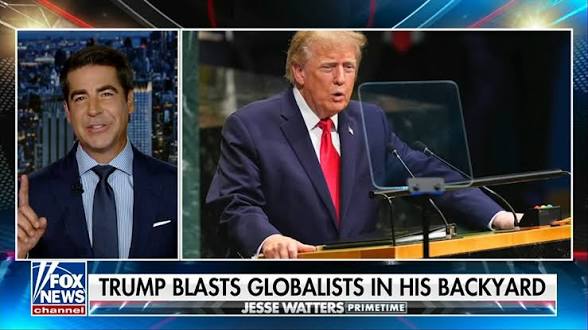
During his September 22 address to the United Nations General Assembly, President Donald Trump warned that the United States could take extremely severe action against Iran if a peace agreement was not reached. Reuters reported that Trump also urged other countries to economically isolate Tehran.
These statements increase uncertainty about what happens next.
However, threats of military action and actual military operations are not the same thing. Decisions about further strikes can change because of diplomatic negotiations, military assessments, regional developments and concerns about escalation.
For that reason, claims that a major new strike is definitely imminent should be treated cautiously unless supported by official announcements or multiple reliable reports.
Iran Is Still Pursuing Diplomacy
Despite the military confrontation, diplomatic channels remain open.
Iran has communicated conditions for ending the conflict through intermediaries. Reuters reported on September 22 that an Iranian official said Tehran’s delegation at the United Nations had authority to pursue negotiations.
Iranian officials have also presented proposals involving military pressure, sanctions and the Strait of Hormuz.
This creates a significant contradiction in the current crisis.
On one side, Iran is threatening retaliation and maintaining military pressure.
On the other, Iranian representatives are discussing possible conditions for ending hostilities.
The United States has similarly combined military pressure with demands for a diplomatic settlement.
What Jack Keane’s Analysis Means
Keane’s argument centers on pressure.
His previous comments suggest that he believes Tehran should face enough military and economic pressure to make continued confrontation increasingly difficult. He has also argued that a pause in pressure could give Iran an opportunity to rebuild military capabilities.
In April, Fox News reported that Keane questioned whether a ceasefire would hold and argued that Tehran could use a pause to delay and reduce pressure.
That view explains why Keane has continued emphasizing military pressure.
However, there is another strategic consideration.
Military pressure can also create incentives for negotiations. If the costs of continued conflict become sufficiently high, both sides may have stronger reasons to seek an agreement.
Therefore, military escalation and diplomacy are not necessarily mutually exclusive.
Iran’s Military Capabilities Still Matter
Despite the damage inflicted during the conflict, Iran retains significant military capabilities.
The country possesses ballistic missiles, drones, naval assets and a network of regional partners and aligned groups.
Iran has demonstrated its willingness to use these capabilities during the current confrontation.
The Institute for the Study of War has documented Iranian attacks against U.S. regional positions and continuing efforts to pressure American military capabilities.
That means any assessment of Iran’s future must account for both its weaknesses and its remaining capabilities.
A government under pressure can still create significant costs for its opponents.
Domestic Stability Could Become the Key Question
The most important issue for the regime may ultimately be internal stability.
External military strikes do not automatically determine whether a government survives.
The crucial questions include whether Iran’s security forces remain loyal to the leadership, whether political elites remain united, whether the government can maintain salaries and essential services, and whether public opposition grows significantly.
Economic conditions could influence those factors.
Recent reporting has described fuel and energy shortages and changes to working arrangements inside Iran.
If economic problems become substantially worse, pressure on the government could increase.
But predicting exactly when that might happen is difficult.
Could More U.S. Strikes Happen?
Further strikes remain possible, but the timing and scale cannot be established solely from public commentary.
Reuters previously reported that senior U.S. officials were considering whether military action could intensify after the November 3 midterm elections.
That reporting demonstrates that additional military options have been under consideration.
It does not establish that a specific attack will occur on a particular date.
Military decisions can change quickly because of intelligence developments, diplomatic contacts, battlefield conditions and political calculations.
Therefore, headlines describing a new strike as certain should be distinguished from official confirmation.
The Role of Sanctions
Sanctions are another major component of Washington’s strategy.
The United States has targeted Iranian energy exports, financial networks and other sectors in an effort to restrict Tehran’s resources.
More recently, Washington has also increased pressure on Iran’s aviation sector. Al Jazeera reported that U.S. measures were aimed at further isolating Iranian airlines and companies connected to them.
The objective is to make it harder for Iran to generate revenue and maintain international economic connections.
The effect on ordinary Iranians is also an important consideration.
Economic restrictions can reduce government resources, but they can also increase costs for civilians through inflation, shortages and reduced access to international markets.
What Happens Next?
Several broad scenarios remain possible.
One possibility is continued military confrontation, with both sides maintaining pressure while avoiding a wider regional war.
Another is renewed negotiations leading to an agreement involving Iran’s military capabilities, nuclear program, sanctions and regional activities.
A third possibility is further escalation, particularly if attacks against U.S. forces, regional allies or shipping continue.
A fourth possibility is increasing internal pressure on Iran’s government.
None of these outcomes can currently be stated as certain.
That uncertainty is especially important when discussing Keane’s warning about regime collapse.
Why the “Imminent Collapse” Claim Needs Context
The phrase “regime collapse imminent” makes a strong headline, but the available evidence does not establish a precise timetable for such an event.
Keane has argued that Iran could be pushed toward collapse. Other analysts may assess the same developments differently.
Iran continues to possess functioning state institutions, military forces and diplomatic channels.
At the same time, the country is facing extraordinary military and economic pressure.
The most accurate description is therefore that Iran’s leadership faces severe and continuing pressure, while the ultimate political outcome remains uncertain.
Conclusion
Jack Keane’s warnings have added to the debate over where the Iran conflict could lead.
His assessment is that sustained military and economic pressure could place the Iranian regime on a pathway toward collapse. Recent events demonstrate that Tehran is under substantial pressure, including military strikes, economic restrictions and threats of additional action.
However, regime collapse should not be presented as a confirmed or inevitable outcome.
Iran retains military capabilities, security institutions and diplomatic options. Tehran has also indicated that it is prepared to negotiate under certain conditions, while Washington continues to combine pressure with demands for a broader settlement.
The next phase could therefore depend on whether military pressure produces negotiations, further escalation or deeper internal instability.
For now, the clearest conclusion from the available evidence is that Iran remains at the center of a major and highly unstable regional confrontation, with military and diplomatic developments continuing simultaneously.
FAQs
What did Jack Keane say about Iran?
Retired Gen. Jack Keane has argued that sustained military and economic pressure could put Iran’s leadership on a pathway toward collapse. He has also advocated maintaining pressure rather than allowing Tehran to use pauses to rebuild capabilities.
Is Iran’s regime about to collapse?
There is no confirmed timetable showing that Iran’s government is about to collapse. Regime collapse remains a possible scenario discussed by analysts, including Keane, but it should not be treated as an established outcome.
Are more U.S. strikes against Iran expected?
Further military action remains possible, but the timing and scale cannot be confirmed without official announcements or reliable reporting. Reuters has previously reported that U.S. officials were considering additional military options.
Why is the Strait of Hormuz important?
The Strait of Hormuz is a major global energy route. Disruption there can affect oil and gas transportation, shipping costs and international energy markets. Iran has indicated that it could reopen the waterway if certain military and economic conditions are met.
Is Iran still negotiating?
Yes. Recent reporting indicates that Iranian officials have continued pursuing diplomatic channels and have communicated conditions for ending the conflict through intermediaries.
What is putting pressure on Iran?
Iran is facing a combination of military strikes, sanctions, restrictions on oil exports, economic disruption and pressure on its regional military capabilities.
Could economic pressure cause political instability?
Economic pressure can contribute to political instability, particularly when shortages, inflation and unemployment become severe. However, economic hardship alone does not establish that a government will collapse.
What is Jack Keane’s background?
Jack Keane is a retired four-star U.S. Army general who has worked as a military and national-security analyst after leaving active military service.
What should readers watch next?
Key developments include U.S. and Iranian military operations, the security of the Strait of Hormuz, sanctions and oil exports, diplomatic negotiations, and signs of changes within Iran’s political or security institutions.
About the Author