The latest White House developments have placed the Iran conflict back under intense international scrutiny as President Donald Trump signals that the United States could take further military action.
The situation remains fluid. Recent reporting indicates that Trump’s administration has been balancing military pressure against Iran with diplomatic efforts involving regional partners. At the same time, U.S. officials have continued to discuss the possibility of stronger action if negotiations fail or Iran takes further steps that Washington considers unacceptable.
For markets, American service members, Gulf countries and civilians across the region, the stakes are significant. Any additional escalation could affect shipping, energy prices, regional security and diplomatic relations.
Donald Trump Signals a Potential Iran Escalation
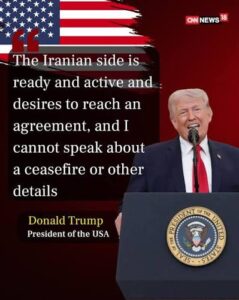
President Trump has repeatedly used strong language when discussing Iran. His administration has also demonstrated that military options remain available.
Recent reporting has described Trump as facing decisions over whether to intensify the U.S. campaign against Iran. One recent report said administration officials were considering whether military action could increase after the November elections.
That does not mean a specific new military operation has been announced. Instead, it shows that escalation remains one of the options being considered inside the administration.
The distinction is important because presidential rhetoric can signal pressure without immediately translating into a new operation.
The White House therefore faces two parallel challenges: maintaining military deterrence while keeping diplomatic channels open.
Why Iran Remains a Major U.S. Foreign Policy Issue
Iran has become one of the most consequential foreign-policy challenges facing the Trump administration.
The conflict involves several interconnected issues, including:
- Iran’s military capabilities
- Nuclear-related concerns
- Regional armed groups
- The security of U.S. personnel
- Israeli security
- Gulf shipping routes
- The Strait of Hormuz
- Global oil markets
- Diplomatic negotiations
These issues make the Iran crisis more complicated than a single disagreement between Washington and Tehran.
A military decision could therefore produce consequences far beyond the immediate battlefield.
Military Pressure Remains Part of Washington’s Strategy
The United States has already demonstrated its willingness to use military force against Iranian targets.
U.S. Central Command has also reported military actions involving Iranian oil tankers. In a September 5 statement, CENTCOM said U.S. forces destroyed three IRGC oil tankers after Iran targeted two U.S. Navy warships. The command said it would continue defending American forces.
Such actions demonstrate how quickly individual incidents can become part of a wider escalation cycle.
If Iranian forces attack American personnel or assets, Washington may respond militarily. If the United States conducts additional strikes, Iran could respond against American or allied interests.
That creates a cycle in which even limited incidents can carry broader strategic consequences.
The Strait of Hormuz Is a Key Pressure Point
One of the biggest concerns surrounding the Iran conflict is the Strait of Hormuz.
The waterway is a crucial route for international energy shipments. Any prolonged disruption could affect oil supplies, shipping costs and global markets.
That is why developments involving the Gulf are being closely monitored by governments and financial markets.
Recent reporting has also highlighted negotiations involving the Strait of Hormuz. U.S. Secretary of State Marco Rubio said progress had been made in talks involving Iran and Oman, although no final agreement had been reached.
The situation illustrates the complicated balance facing Washington.
The Trump administration wants to maintain pressure on Iran while avoiding an outcome that could severely disrupt international commerce.
Diplomacy Has Not Disappeared
Despite the military rhetoric, diplomatic efforts remain part of the picture.
Iran-related negotiations have involved regional intermediaries, including Oman, Qatar and Pakistan. Previous efforts to pause military operations have also demonstrated that diplomatic channels can remain active even during periods of intense confrontation.
This creates an important contrast in the current crisis.
On one side, Washington is maintaining military pressure. On the other, intermediaries continue attempting to establish communication between the United States and Iran.
The existence of negotiations does not guarantee a diplomatic settlement. However, it shows that military escalation and diplomacy can occur simultaneously.
What Could Trigger Further Escalation?
Several developments could increase tensions between Washington and Tehran.
Attacks on U.S. Forces
The safety of American troops remains one of the most important issues for the administration.
A significant Iranian attack on U.S. personnel could increase pressure on the White House to respond.
Attacks on Shipping
The Gulf’s shipping routes are another potential flashpoint.
Any major attack on commercial vessels or attempts to restrict maritime traffic could increase international pressure on Iran and potentially trigger additional military responses.
Breakdown in Negotiations
Diplomatic talks remain another important factor.
If negotiations fail completely, officials could face greater pressure to consider military alternatives.
Nuclear Concerns
Iran’s nuclear program remains a central issue in the broader U.S.-Iran dispute.
Washington has historically sought restrictions on Iran’s nuclear capabilities, while Tehran has rejected some American demands.
A significant disagreement over nuclear activity could therefore become another trigger for confrontation.
Trump Administration Faces a Difficult Balancing Act
The administration’s challenge is not simply deciding whether to use force.
It must also consider what happens after any military action.
A major strike could weaken Iranian military capabilities, but it could also lead to retaliation.
Possible targets could include U.S. personnel, military bases, commercial shipping or regional partners.
That is why military escalation carries risks beyond the immediate objective.
The administration must also consider whether military pressure strengthens its negotiating position or makes a diplomatic agreement more difficult.
Oil Markets Are Watching the Iran Crisis
The Iran conflict has implications for global energy markets.
The Middle East remains central to international oil transportation, and the Strait of Hormuz is especially important.
A major disruption could increase concerns about supply and transportation costs.
The United Nations Development Programme has previously warned that military escalation in the Middle East can affect energy markets, trade and global financial conditions.
For consumers, higher energy costs can eventually influence transportation, manufacturing and household expenses.
For governments, the economic impact adds another layer to the security calculation.
Gulf States Have a Major Role
Countries in the Gulf are directly exposed to the consequences of an expanding Iran conflict.
They have strategic relationships with Washington while also sharing geography and economic interests with Iran.
This makes regional diplomacy particularly important.
Qatar, Oman and Pakistan have played roles in recent diplomatic efforts, while Gulf governments have strong reasons to avoid a conflict that could threaten infrastructure, shipping and energy exports.
The United States therefore has to consider not only its own military objectives but also the interests of regional partners.
Israel Remains Part of the Strategic Picture
Iran’s relationship with Israel is another major component of the crisis.
The United States has a longstanding security relationship with Israel, while Iran and Israel remain deeply opposed.
Any major Iranian attack involving Israel could increase pressure on Washington.
Likewise, Israeli military operations against Iranian targets could create situations in which American forces become involved directly or indirectly.
This makes the conflict particularly difficult to contain.
Trump’s Public Statements Matter
President Trump’s public statements are closely watched because they can affect diplomatic calculations.
Strong warnings can be intended to deter Iran. They can also be used to increase pressure during negotiations.
However, statements do not necessarily reveal the final operational decision.
That distinction is particularly important in a rapidly developing conflict.
The president may publicly emphasize military strength while simultaneously allowing diplomats to pursue negotiations.
Recent reporting illustrates this tension, with U.S. officials discussing both military options and diplomatic progress.
Could the Conflict Become Larger?
A broader regional conflict is one possible concern, but its exact development cannot be predicted with certainty.
Several actors have interests in preventing the conflict from expanding.
The United States has military resources in the region. Iran has regional partners and missile capabilities. Israel remains a major military actor. Gulf states control important infrastructure and energy facilities.
Any direct confrontation involving several of these actors could rapidly become more complicated.
At the same time, negotiations and back-channel communications could create opportunities to reduce tensions.
Therefore, the current situation should be viewed as highly fluid rather than as a guaranteed path toward a larger war.
What the White House Could Watch Next
Several developments are likely to receive attention in the coming days.
1. U.S. Military Movements
Changes in American deployments or official statements from the Pentagon could provide information about the administration’s immediate priorities.
2. Iranian Military Activity
Iranian missile launches, attacks on U.S. assets or activity around the Gulf could influence Washington’s response.
3. Diplomatic Messages
Statements from Oman, Qatar and Pakistan could indicate whether negotiations are progressing.
4. Strait of Hormuz Shipping
Commercial shipping activity will remain an important indicator of regional stability.
5. Oil Prices
Energy markets may react quickly to reports involving the Gulf or possible disruptions to oil transportation.
The Role of Congress
Any sustained U.S. military campaign also raises questions about congressional authority and oversight.
Congress has constitutional responsibilities involving war and national security, although presidents have historically exercised substantial authority as commander in chief.
Debates over military action against Iran can therefore involve both foreign policy and domestic constitutional questions.
Members of Congress may also scrutinize the cost of military operations and the risks to American troops.
International Reaction Will Matter
The United States is not acting in isolation.
European governments, Gulf states, Asian economies and international organizations all have interests in the outcome.
European governments may prioritize preventing nuclear proliferation and regional instability.
Asian economies are particularly sensitive to oil prices and shipping disruptions.
Gulf countries face direct security risks.
International organizations may focus on civilian protection, humanitarian consequences and diplomatic solutions.
This broad international interest means that any major escalation would likely have consequences far beyond Washington and Tehran.
Why the Latest Trump Iran Warning Matters
The significance of Trump’s latest Iran rhetoric is not simply that he has mentioned military escalation.
The larger issue is that the administration continues to combine pressure, deterrence and diplomacy.
The United States has already used military force in the conflict, while officials continue to discuss negotiations.
Recent reporting has described administration officials considering additional military action while also highlighting efforts to keep the situation from expanding unnecessarily.
That combination makes the next phase difficult to assess.
A diplomatic breakthrough could reduce tensions. A major attack could produce the opposite result.
What Happens Next?
The immediate future of the U.S.-Iran confrontation will depend on several factors.
Iran’s military decisions will matter. So will Trump’s response.
The progress of diplomatic channels could determine whether military pressure eventually gives way to negotiations.
At the same time, events at sea, attacks on military personnel and developments involving Israel could quickly change the situation.
For now, the most important point is that the possibility of further escalation remains active, but specific future military operations should not be treated as confirmed unless officially announced.
Conclusion
The latest White House update places Donald Trump’s Iran policy at another critical moment.
The president continues to signal that military options remain available, while U.S. officials are also pursuing diplomatic channels involving regional partners. Recent developments involving the Strait of Hormuz, U.S. military operations and negotiations demonstrate how closely military and diplomatic tracks are connected.
The possibility of further escalation has implications for American troops, Iran, Israel, Gulf countries, international shipping and energy markets.
However, the situation remains fluid. Strong presidential statements do not automatically mean that a specific military operation will occur.
For now, attention remains focused on Trump’s next decisions, Iran’s response, the progress of negotiations and security conditions across the Gulf.
FAQs
1. What is the latest Donald Trump Iran escalation update?
Recent reporting indicates that Trump continues to keep military options available while diplomatic efforts involving regional intermediaries remain active.
2. Is the United States planning another major attack on Iran?
There are reports that the administration is considering further military options, but a specific future operation should not be treated as confirmed unless officially announced.
3. Why is the Strait of Hormuz important?
The Strait of Hormuz is a major international energy shipping route. Disruption could affect oil transportation, energy prices and global trade.
4. Are the United States and Iran still talking?
Diplomatic efforts involving intermediaries such as Oman, Qatar and Pakistan have continued during the conflict. However, negotiations do not necessarily mean that a final agreement has been reached.
5. Could Iran escalation affect oil prices?
Yes. Any significant disruption to Gulf shipping or oil infrastructure could increase concerns about global energy supplies and potentially affect prices.
6. What could trigger further U.S.-Iran escalation?
Potential triggers include attacks on U.S. personnel, attacks on shipping, significant Iranian military activity, developments involving Israel or the collapse of diplomatic efforts.
7. Has the U.S. already conducted military operations against Iran?
Yes. U.S. Central Command has reported military operations involving Iranian assets, including an action against three IRGC oil tankers in September 2026.
8. Will Trump choose diplomacy or military escalation?
The administration has continued using both military pressure and diplomacy. The eventual direction depends on developments in the conflict and negotiations.
9. Why is the Iran conflict important to the United States?
The conflict affects U.S. troops, regional allies, nuclear nonproliferation, shipping security, energy markets and broader Middle East stability.
10. Where can readers follow further Iran updates?
Readers should monitor official statements from the White House, U.S. Department of Defense and U.S. Central Command alongside reporting from established international news organizations.
About the Author