Fake Agent Shock:Golf Course Suspect Claimed State Dept,Panic
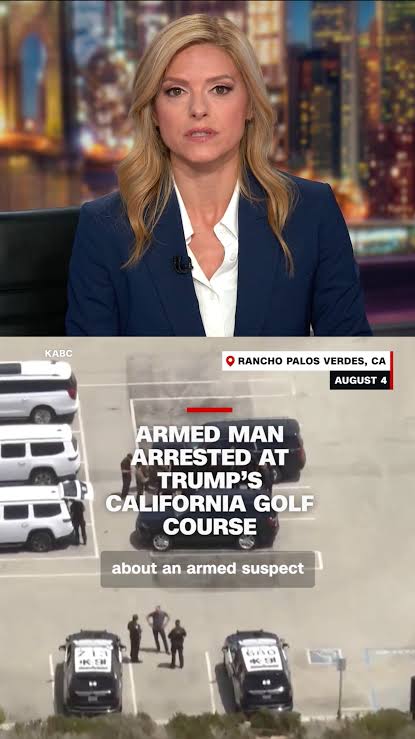
A dramatic security incident has captured national attention after authorities arrested a man who allegedly posed as a government official near a golf course scheduled to host a high-profile presidential visit. The suspect reportedly claimed to be a U.S. State Department employee and attempted to present himself as part of a security operation. Investigators later discovered weapons, ammunition, and fake credentials, triggering immediate concerns among federal and local law enforcement agencies.
The case has sparked widespread discussion about security vulnerabilities, impersonation of federal officials, and the increasing challenges faced by agencies responsible for protecting public figures. While officials emphasized that there was no immediate threat to the public, the discovery of firearms and suspicious materials intensified scrutiny surrounding the incident.
This article examines the details of the arrest, the evidence recovered, the legal implications, and the broader questions raised by the case.
What Happened at the Golf Course?
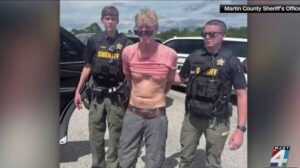
The incident occurred at a golf course in California that was preparing for a visit by President Donald Trump. According to federal authorities, security personnel observed a man behaving suspiciously while taking photographs and videos of security arrangements at the property. He was reportedly wearing an earpiece and appeared to be monitoring security preparations.
Authorities became concerned because the individual appeared unusually interested in restricted security operations. The man reportedly left the area but returned later, prompting golf course staff to notify law enforcement officials.
When approached by federal agents, the suspect allegedly identified himself as a State Department employee assigned to assist with security-related activities. Investigators later determined that this claim was false.
The revelation immediately escalated the situation and led to a more thorough investigation.
The Suspect’s Alleged False Identity
One of the most alarming aspects of the case involves the suspect’s alleged attempt to impersonate a government official.
Authorities stated that the individual falsely claimed to be associated with the U.S. State Department. Such claims are taken seriously because law enforcement agencies rely heavily on identification and verification systems when coordinating security operations.
Investigators believe the false claim may have been intended to gain credibility or avoid suspicion while observing security measures at the golf course. Although authorities have not publicly confirmed the suspect’s motive, the alleged impersonation raised major concerns about how individuals might exploit government identities for unauthorized access.
Impersonating a federal official can lead to serious criminal penalties depending on the circumstances and intent involved.
Weapons and Equipment Recovered
The investigation quickly expanded after law enforcement searched the suspect and his vehicle.
According to officials, deputies discovered a loaded firearm, ammunition, and additional suspicious items. Investigators later recovered more weapons and tactical equipment during a search of the suspect’s residence.
Among the reported discoveries were:
- A modified AR-style rifle
- A pistol
- Ammunition
- Body armor
- High-capacity magazines
- Radio devices
- Binoculars
- Fake or misleading identification badges
Authorities described the collection of items as troubling, particularly given the timing of the discovery shortly before a presidential visit.
The combination of weapons and fake credentials significantly increased concerns among investigators.
Fake Badge Raises Serious Questions
One of the most widely discussed pieces of evidence is a badge recovered during the investigation.
Officials reported finding a badge resembling law enforcement or security identification. The badge reportedly carried markings associated with security or fugitive recovery functions.
While possessing a badge is not automatically illegal in every circumstance, using it to misrepresent oneself as a government official or law enforcement officer can lead to criminal charges.
Security experts note that fake credentials are often used to gain trust, bypass security barriers, or create confusion during sensitive operations.
This aspect of the case has prompted renewed calls for stricter verification procedures during major security events.
Why Security Officials Took the Incident Seriously
Protective operations involving presidents and former presidents follow extensive security protocols.
Any suspicious behavior near protected locations automatically receives heightened attention. When authorities observed an individual documenting security arrangements while allegedly presenting false credentials, the situation became a priority investigation.
Law enforcement officials stressed that even seemingly minor security irregularities must be examined carefully because threats can emerge from unexpected sources.
Security agencies frequently evaluate:
- Unusual surveillance activity
- Unauthorized photography of security measures
- False identification claims
- Possession of weapons near protected areas
- Attempts to gain unauthorized access
The suspect’s actions reportedly triggered several of these concerns simultaneously.
Federal Charges Filed
Following the investigation, federal prosecutors filed charges related to weapons possession.
Authorities announced that the suspect faces a federal charge connected to possession of an unregistered short-barreled rifle. If convicted, the charge carries significant penalties under federal law.
In addition to federal charges, state-level charges were also reported.
Legal experts note that cases involving weapons, false identification, and security concerns often involve multiple jurisdictions, including local, state, and federal authorities.
The investigation remains ongoing, and officials continue reviewing evidence and potential motives.
Investigators Continue Searching for Motive
A major unanswered question is why the suspect allegedly visited the golf course and claimed government affiliation.
Authorities have not publicly released a definitive motive. Investigators are examining evidence recovered during searches and reviewing materials allegedly found in the suspect’s possession.
Reports indicate that investigators discovered notebooks containing concerning statements. However, officials have not disclosed specific details regarding those materials.
Possible areas investigators may explore include:
- Intent behind the false State Department claim
- Reasons for documenting security preparations
- Purpose of the weapons and tactical equipment
- Any connections to broader criminal activity
Until the investigation concludes, many questions remain unanswered.
Growing Concerns Over Political Security
The incident occurs during a period of heightened concern regarding security threats against political leaders.
Recent years have seen multiple incidents involving threats, attempted attacks, and security breaches targeting public officials. Authorities therefore approach unusual activity near protected individuals with extreme caution.
Security experts argue that evolving threats require constant adaptation. Impersonation tactics, fake credentials, and surveillance activities have become increasingly important areas of concern.
The golf course incident highlights how modern protective operations must address both physical and deceptive threats.
Challenges of Detecting Impersonators
Impersonation of government personnel remains a persistent security challenge.
Individuals posing as law enforcement officers, federal agents, or government employees can exploit public trust and potentially gain access to sensitive areas.
Experts recommend that organizations hosting major events:
- Verify credentials through official channels
- Train staff to recognize suspicious behavior
- Report unusual activity immediately
- Coordinate closely with law enforcement agencies
- Use multi-layer security screening systems
The quick response by golf course personnel and federal agents likely prevented the situation from escalating further.
Public Reaction to the Incident
News of the arrest generated significant public interest and widespread discussion online.
Many observers expressed concern about the suspect’s alleged ability to present himself as a government official. Others praised security personnel for identifying suspicious behavior before the presidential visit occurred.
The discovery of weapons and fake credentials intensified public attention and led to renewed debate regarding event security standards.
Law enforcement officials emphasized that there was no verified ongoing threat after the arrest and that protective measures functioned as intended.
Lessons from the Case
The case highlights several important lessons:
Importance of Vigilance
Security personnel must remain alert to unusual behavior, especially during preparations for major events.
Credential Verification Matters
Claims of government affiliation should always be independently verified.
Early Intervention Works
Authorities acted before the presidential visit occurred, reducing potential risks.
Multi-Agency Cooperation Is Essential
The investigation involved coordination among federal, state, and local law enforcement agencies.
Conclusion
The arrest of a golf course suspect who allegedly claimed to be a State Department employee has become one of the most closely watched security incidents of the year. Authorities discovered weapons, ammunition, tactical equipment, and questionable credentials after investigating suspicious activity near a location preparing for a presidential visit.
While officials have stressed that no immediate threat remained after the arrest, the case underscores the importance of rigorous security protocols and rapid law enforcement response. The ongoing investigation will likely provide additional answers regarding motive and intent in the coming months.
As authorities continue their work, the incident serves as a reminder that modern security threats can involve not only weapons but also deception, impersonation, and attempts to exploit trust in government institutions.
FAQs
What is the Fake Agent Golf Course Suspect case?
It refers to the arrest of a man who allegedly claimed to be a State Department employee while near a golf course preparing for a presidential visit.
Why was the suspect arrested?
Authorities arrested him after investigating suspicious behavior and discovering weapons, ammunition, and allegedly false credentials.
Did the suspect really work for the State Department?
According to investigators, the suspect falsely claimed State Department affiliation.
What weapons were recovered?
Officials reported recovering firearms, ammunition, a modified rifle, body armor, and related equipment.
Were any injuries reported?
Authorities did not report injuries connected to this golf course incident.
Is the investigation still ongoing?
Yes. Federal and local authorities continue to investigate the suspect’s actions and possible motives.
What charges does the suspect face?
The suspect faces federal weapons-related charges and additional state charges.
Why is this case significant?
The case highlights concerns about impersonation, event security, and protection of high-profile public officials.
How useful was this post?
Click on a star to rate it!
Average rating 0 / 5. Vote count: 0
No votes so far! Be the first to rate this post.
About the Author

usa5911.com
Administrator
Hi, I’m Gurdeep Singh, a professional content writer from India with over 3 years of experience in the field. I specialize in covering U.S. politics, delivering timely and engaging content tailored specifically for an American audience. Along with my dedicated team, we track and report on all the latest political trends, news, and in-depth analysis shaping the United States today. Our goal is to provide clear, factual, and compelling content that keeps readers informed and engaged with the ever-changing political landscape.