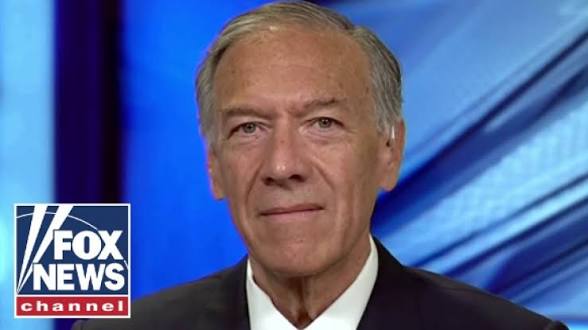
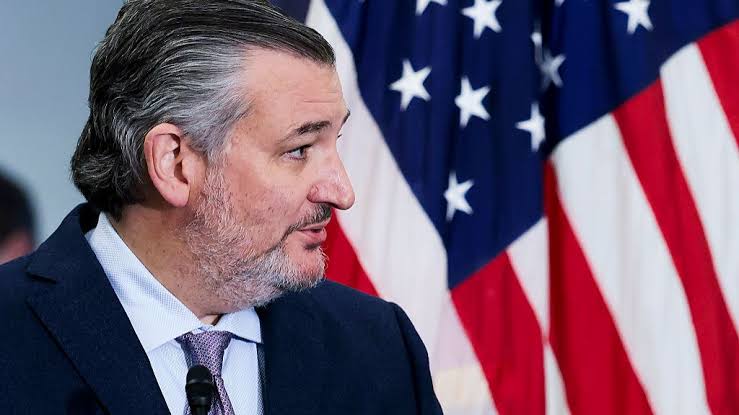
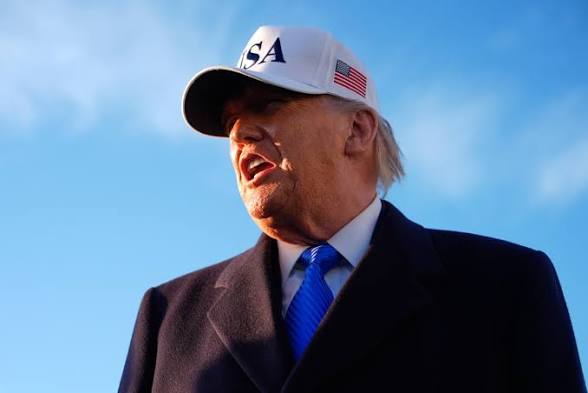
Waltz Drops Warning:US Military Is Locked And Loaded,Terror
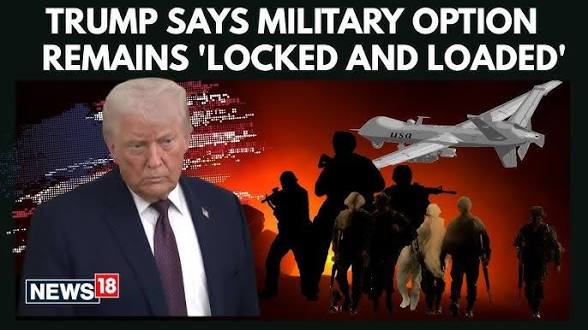
The latest warning from senior US officials has once again placed the Middle East at the center of global attention. As diplomatic efforts continue between Washington and Tehran, US Ambassador to the United Nations Mike Waltz indicated that the United States remains prepared to use military force if necessary. At the same time, Vice President JD Vance stated that America is “locked and loaded” should negotiations fail to achieve their objectives.
The statement has fueled speculation about the future of US-Iran relations. While American officials insist diplomacy remains the preferred path, military readiness has become a central message from the administration. Investors, global markets, defense analysts, and regional governments are closely monitoring every development.
This article explains what Waltz’s warning means, why the US military is on alert, how Iran has responded, and what could happen next.
Why Waltz’s Warning Is Making Headlines
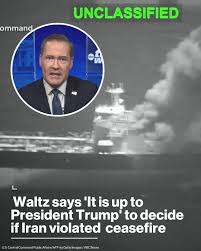
Mike Waltz emphasized that President Donald Trump is giving diplomacy every opportunity to succeed. However, he also made it clear that the commander-in-chief will decide whether Iran has crossed any red lines that would justify renewed military action.
His remarks followed several days of heightened military activity in the region and reports that US operations had temporarily paused while diplomatic discussions continued.
The combination of diplomacy and military preparedness is designed to increase pressure while leaving room for negotiations.
What Does “Locked And Loaded” Mean?
The phrase “locked and loaded” is a military expression indicating forces are fully prepared for immediate action.
In this context, it suggests:
- US forces remain deployed and ready.
- Military assets can respond quickly if ordered.
- Diplomacy continues, but force remains an available option.
- Washington wants to demonstrate deterrence rather than immediate escalation.
Vice President JD Vance said the administration wants a diplomatic solution but warned that military operations could resume if Iran refuses conditions related to its nuclear program.
The Current Situation Between the US and Iran
Relations between Washington and Tehran remain extremely tense.
Key developments include:
- Temporary pauses in military operations.
- Continued diplomatic contacts.
- Ongoing disagreements regarding Iran’s nuclear ambitions.
- Security concerns across the Persian Gulf and Strait of Hormuz.
- Regional allies maintaining heightened military readiness.
Although fighting has slowed in some areas, officials stress that the situation could change rapidly.
Trump’s Strategy
According to administration officials, President Trump wants diplomacy to succeed while maintaining maximum pressure.
The current strategy includes:
- Keeping military forces prepared.
- Supporting negotiations.
- Warning Iran against violating agreements.
- Maintaining close coordination with regional allies.
Officials say any future military decision would ultimately rest with the President.
Iran’s Response
Iran has continued to reject pressure regarding its nuclear activities.
Iranian officials have warned that renewed US military action could trigger broader regional consequences. Public statements have also emphasized Iran’s willingness to defend its interests if attacks resume.
These warnings contribute to continued uncertainty throughout the Middle East.
Why The Middle East Matters
The Middle East remains one of the world’s most strategically important regions.
Several factors increase international concern:
Energy Supplies
A significant portion of global oil exports passes through the Strait of Hormuz.
Any disruption could influence:
- Oil prices
- Shipping costs
- Inflation
- Global energy markets
Military Presence
The United States maintains multiple military bases across the region.
These installations support:
- Naval operations
- Air defense
- Counterterrorism missions
- Protection of allies
Regional Stability
Escalation between the US and Iran could affect neighboring countries and international trade.
What Defense Experts Are Watching
Security analysts are monitoring several indicators:
- Naval deployments
- Air force movements
- Missile defense systems
- Diplomatic negotiations
- Statements from Washington and Tehran
Military readiness does not necessarily mean conflict is imminent, but it signals governments are preparing for multiple scenarios.
Global Economic Impact
Financial markets often react quickly to geopolitical tensions.
Potential consequences include:
Oil Prices
Any disruption in Gulf shipping routes could increase crude oil prices.
Stock Markets
Defense, energy, and transportation sectors often experience volatility during geopolitical crises.
Shipping
Insurance premiums and shipping costs may rise if regional security deteriorates.
Diplomatic Efforts Continue
Despite strong rhetoric, diplomatic discussions remain active.
US officials continue emphasizing that negotiations represent the preferred solution.
Waltz said President Trump is allowing diplomacy additional time before deciding whether military action becomes necessary.
Military Readiness Does Not Mean War
One important distinction is that military preparedness differs from immediate military action.
Governments often:
- Increase readiness
- Position forces
- Conduct exercises
- Issue warnings
These actions can serve as deterrence intended to discourage further escalation.
International Reactions
Many international partners are urging restraint.
Global leaders generally support:
- Continued negotiations
- Regional stability
- Protection of commercial shipping
- Prevention of wider conflict
Several governments remain concerned that any miscalculation could have worldwide economic consequences.
Possible Future Scenarios
Several outcomes remain possible.
1. Successful Diplomacy
Negotiations could produce agreements that reduce tensions.
2. Extended Standoff
Military readiness and diplomatic talks could continue simultaneously for weeks or months.
3. Limited Military Action
Targeted strikes could occur if either side concludes negotiations have failed.
4. Regional Escalation
Broader conflict remains the least desirable outcome but cannot be completely ruled out.
Why Accurate Information Matters
Periods of international tension often generate misleading social media claims.
Readers should rely on:
- Official government statements
- Established news organizations
- Verified reporting
- Multiple independent sources
Avoid drawing conclusions from unverified viral posts.
What Citizens Should Know
For most people outside the immediate region:
- There is no indication of a global conflict being inevitable.
- Diplomatic efforts remain active.
- Governments continue emphasizing deterrence alongside negotiations.
- The situation remains fluid and could evolve quickly.
Conclusion
Mike Waltz’s latest warning reinforces that the United States continues balancing diplomacy with military preparedness. Statements describing the US military as “locked and loaded” highlight readiness rather than an announcement of immediate military action.
While tensions with Iran remain significant, negotiations continue alongside military planning. The coming days and weeks will likely determine whether diplomacy succeeds in reducing tensions or whether the region faces another period of heightened confrontation.
For now, global attention remains fixed on Washington and Tehran as both sides weigh their next moves.
Frequently Asked Questions (FAQs)
What did Mike Waltz say about the US military?
Mike Waltz said President Trump will determine whether Iran has violated conditions that would justify renewed military action while emphasizing diplomacy remains the current priority.
What does “locked and loaded” mean?
It means the US military is fully prepared to respond quickly if ordered, but it does not necessarily indicate that military action is imminent.
Is the US currently at war with Iran?
No. Although tensions remain high, officials continue pursuing diplomatic discussions while maintaining military readiness.
Why is the Strait of Hormuz important?
It is one of the world’s most critical shipping routes for oil exports. Any disruption can affect global energy prices and international trade.
Could diplomacy still succeed?
Yes. US officials have repeatedly stated they prefer negotiations and are giving diplomacy additional time before considering further military action.
The United States maintains one of the largest overseas military networks in the Middle East. Thousands of troops, advanced fighter aircraft, missile defense systems, naval vessels, and intelligence assets remain positioned across the region to protect American interests and allies.
These deployments are intended to:
- Deter hostile actions against US forces.
- Protect international shipping lanes.
- Support partner nations facing security threats.
- Respond quickly to emergencies.
- Conduct surveillance and intelligence operations.
Military analysts note that maintaining a visible presence can discourage adversaries from taking aggressive actions, although it may also increase tensions during periods of crisis.
America’s Regional Allies Remain Alert
Several US allies have increased their own security measures amid the ongoing tensions.
Countries in the Gulf region continue coordinating closely with Washington on intelligence sharing and regional defense. Israel has also maintained heightened readiness because of concerns about potential missile attacks or proxy group activity.
Regional governments are carefully monitoring developments while urging diplomatic efforts to continue.
The Role of Intelligence Gathering
Intelligence agencies play a critical role during periods of geopolitical uncertainty.
US intelligence efforts focus on monitoring:
- Missile launches.
- Naval movements.
- Military exercises.
- Drone activity.
- Cybersecurity threats.
- Communications between armed groups.
Accurate intelligence helps policymakers assess risks and determine appropriate responses without escalating tensions unnecessarily.
How Markets React to Military Warnings
Military statements often influence financial markets even before any actual conflict occurs.
Energy Markets
Oil traders closely monitor events in the Middle East because supply disruptions could affect global energy prices.
Gold Prices
Gold often attracts investors seeking safer assets during periods of international uncertainty.
Defense Stocks
Shares of defense companies sometimes experience increased investor interest when governments emphasize military preparedness.
Airline Industry
Airlines may adjust routes or increase operational costs if regional airspace becomes restricted.
Shipping Through the Strait of Hormuz
The Strait of Hormuz remains one of the world’s busiest maritime routes.
Approximately one-fifth of globally traded crude oil passes through this narrow waterway. Any disruption—whether from military action, heightened inspections, or security concerns—could affect international energy markets.
Shipping companies routinely review risk assessments before sending vessels through the area.
Nuclear Negotiations Remain Central
At the heart of the dispute is Iran’s nuclear program.
The United States and its allies continue expressing concerns over uranium enrichment levels and verification measures. Iran insists that its nuclear activities are for peaceful purposes, while international negotiations seek to establish safeguards and monitoring mechanisms.
Diplomatic talks remain the preferred avenue for addressing these concerns.
Could Military Action Still Be Avoided?
Yes. Military readiness is often used as a deterrent rather than an indication that conflict is inevitable.
Several factors could help reduce tensions:
- Continued diplomatic engagement.
- Third-party mediation.
- Confidence-building measures.
- Agreements on nuclear inspections.
- De-escalation by regional actors.
History has shown that strong military posturing can coexist with ongoing negotiations.
Risks of Miscalculation
One of the greatest dangers during periods of heightened military readiness is the possibility of unintended escalation.
Examples include:
- Misinterpreted military exercises.
- Drone incidents.
- Naval encounters.
- Cyberattacks attributed to the wrong actor.
- Communication failures.
Such incidents can rapidly increase tensions if not managed carefully.
The Information War
Alongside military operations, governments increasingly compete in the information space.
Official statements, press briefings, and social media posts can shape public perception and influence international opinion.
Readers should distinguish between verified announcements and unconfirmed online claims.
Humanitarian Concerns
Any escalation in the Middle East could have humanitarian consequences, including:
- Civilian displacement.
- Damage to infrastructure.
- Disruptions to healthcare services.
- Increased demand for humanitarian assistance.
International organizations often prepare contingency plans to support affected populations if conditions deteriorate.
Cybersecurity as a Modern Battlefield
Modern conflicts are not limited to conventional military operations.
Cybersecurity experts warn that periods of geopolitical tension can coincide with:
- Phishing campaigns.
- Ransomware attacks.
- Disinformation efforts.
- Attempts to disrupt critical infrastructure.
Governments and private organizations are encouraged to strengthen cyber defenses during such periods.
What Analysts Expect Next
Experts generally believe the coming weeks will be shaped by two parallel tracks:
- Diplomatic Engagement: Continued negotiations aimed at reducing tensions and addressing nuclear concerns.
- Military Preparedness: Maintaining forces in a ready state to deter potential aggression and reassure allies.
Which path becomes dominant will depend on decisions made by leaders in Washington, Tehran, and other regional capitals.
Final Thoughts
Mike Waltz’s warning that the United States remains prepared underscores the administration’s dual-track approach of diplomacy backed by military readiness. While phrases such as “locked and loaded” convey a strong message of preparedness, they should not be interpreted as confirmation that military action is imminent.
The situation remains fluid, with diplomacy still active and military forces maintaining a posture designed to deter escalation. Developments in the coming days will be closely watched by governments, financial markets, and security analysts around the world.
For readers following this story, the most reliable approach is to rely on official statements and verified reporting, recognizing that international crises often evolve rapidly. As negotiations continue, the hope remains that diplomatic efforts will reduce tensions and prevent a broader regional conflict.
How useful was this post?
Click on a star to rate it!
Average rating 0 / 5. Vote count: 0
No votes so far! Be the first to rate this post.
About the Author

usa5911.com
Administrator
Hi, I’m Gurdeep Singh, a professional content writer from India with over 3 years of experience in the field. I specialize in covering U.S. politics, delivering timely and engaging content tailored specifically for an American audience. Along with my dedicated team, we track and report on all the latest political trends, news, and in-depth analysis shaping the United States today. Our goal is to provide clear, factual, and compelling content that keeps readers informed and engaged with the ever-changing political landscape.