Forceful Response:Netanyahu Vows Strike On Iran,WW3,Panic
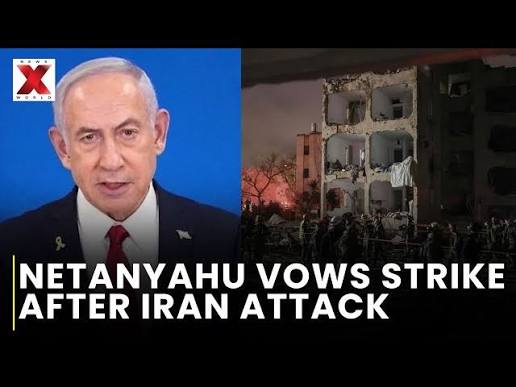
The Middle East remains one of the world’s most volatile regions, and fresh developments involving Israel and Iran continue to draw international attention. Recent statements attributed to Israeli Prime Minister Benjamin Netanyahu regarding a potential strike on Iran have intensified speculation about the possibility of a broader regional conflict. While analysts continue to debate the likelihood of military action, governments across the globe are closely monitoring the situation.
The ongoing tensions between Israel and Iran are rooted in decades of geopolitical rivalry, proxy conflicts, intelligence operations, and disagreements over Iran’s nuclear program. Every new military warning or political statement fuels concerns that even a limited confrontation could have far-reaching consequences for regional stability, global energy markets, and international diplomacy.
It is important to distinguish between official announcements, political rhetoric, and actual military decisions. Governments often issue strong public statements as part of strategic messaging, deterrence, or diplomatic negotiations. Therefore, while headlines may suggest an imminent conflict, the actual situation on the ground is often more complex.
This article examines the latest developments, the historical context behind Israel-Iran tensions, the strategic calculations of both countries, the potential military implications, and what these developments could mean for the wider international community.
Why Netanyahu’s Latest Statement Matters
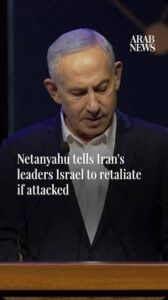
Israeli leaders have consistently maintained that Iran’s expanding military capabilities and nuclear activities represent a major national security concern.
According to Israeli officials, preventing Iran from obtaining nuclear weapons remains one of the country’s highest strategic priorities. Successive governments have repeatedly stated that Israel reserves the right to act independently if it believes diplomatic efforts have failed.
Netanyahu has frequently argued that:
- Iran’s nuclear program poses a long-term security challenge.
- Iranian-backed armed groups increase instability across the Middle East.
- Israel must maintain military readiness.
- Strategic deterrence remains essential.
These positions have remained largely consistent across multiple years despite changes in regional dynamics.
The Background of Israel-Iran Tensions
Understanding the current situation requires examining decades of political and military rivalry.
Following Iran’s 1979 Islamic Revolution, diplomatic relations between Israel and Iran deteriorated dramatically.
Since then, both countries have accused each other of:
- Supporting hostile organizations
- Conducting cyber operations
- Intelligence activities
- Regional interference
- Military escalation
Although the two nations rarely engage in direct warfare, they have frequently confronted one another through proxy conflicts across several countries.
These indirect confrontations have occurred in places including:
- Syria
- Lebanon
- Iraq
- Yemen
- The Red Sea
Military analysts often describe this as a prolonged “shadow conflict.”
Iran’s Regional Influence
Iran has developed strategic relationships with several regional groups over the years.
Israeli officials argue that these alliances create security risks near Israel’s borders.
Iran, meanwhile, maintains that its regional partnerships serve defensive and strategic purposes while opposing what it considers external aggression.
These competing narratives continue to shape Middle East politics.
Israel’s Security Doctrine
Israel has traditionally emphasized proactive national defense.
Its military doctrine includes:
- Advanced intelligence gathering
- Missile defense systems
- Rapid mobilization
- Precision air operations
- Cyber defense capabilities
Israeli officials have repeatedly stated that waiting for threats to fully materialize is not an acceptable security strategy.
As a result, Israeli military planners often prioritize deterrence alongside defensive preparedness.
Concerns Over Iran’s Nuclear Program
One of the central issues driving current tensions is Iran’s nuclear program.
Western governments, including the United States and several European nations, have long expressed concerns about uranium enrichment levels and nuclear transparency.
Iran has consistently stated that its nuclear program is intended for peaceful civilian purposes.
International monitoring agencies continue to inspect various facilities under existing agreements, although disagreements over access and compliance have periodically emerged.
Negotiations aimed at restoring nuclear agreements have faced repeated setbacks, contributing to continued uncertainty.
Regional Military Balance
The Middle East has become one of the world’s most heavily militarized regions.
Israel possesses sophisticated military technology, including:
- Advanced fighter aircraft
- Missile defense networks
- Precision-guided weapons
- Intelligence capabilities
- Cyber warfare expertise
Iran, meanwhile, has invested heavily in:
- Ballistic missile development
- Drone technology
- Naval capabilities
- Air defense systems
- Domestic weapons production
Military experts generally agree that any direct confrontation would involve complex strategic calculations rather than a straightforward conventional conflict.
International Reactions
Major world powers continue to urge restraint.
Many governments have emphasized that diplomacy remains the preferred solution to reducing tensions.
International organizations have repeatedly warned that further military escalation could:
- Disrupt global trade
- Increase refugee pressures
- Affect regional stability
- Threaten energy supplies
- Increase humanitarian risks
Diplomatic efforts continue despite recurring setbacks.
Why Global Markets Are Watching
Financial markets often react quickly to geopolitical developments involving the Middle East.
Investors closely monitor developments because the region plays a critical role in global energy production and shipping.
Even speculation surrounding possible military action can contribute to:
- Oil price volatility
- Stock market fluctuations
- Currency movements
- Increased investment in safe-haven assets
Analysts caution that market reactions often reflect uncertainty rather than confirmed events.
Although headlines often suggest an imminent confrontation, military experts caution that several outcomes are possible. A strong public statement does not necessarily indicate that military operations are about to begin.
Some of the scenarios analysts discuss include:
1. Limited Precision Strikes
Israel could choose to target specific military facilities or infrastructure that it considers a security threat. Such operations would likely aim to avoid a wider regional conflict, though retaliation could still occur.
2. Expanded Regional Escalation
If either side responds with significant military force, neighboring countries and armed groups aligned with regional powers could become involved. This would increase the complexity of the conflict and place additional pressure on diplomatic efforts.
3. Diplomatic De-escalation
Despite heightened rhetoric, governments may continue negotiations through international partners. Diplomatic engagement remains a key tool for reducing tensions and preventing direct military confrontation.
Impact on Global Oil Prices
The Middle East plays a crucial role in global energy production. As a result, any increase in regional instability often influences energy markets.
Possible economic effects include:
- Higher crude oil prices
- Increased transportation costs
- Rising inflation in some countries
- Greater uncertainty in financial markets
- Temporary disruptions to supply chains
However, the extent of any impact depends on actual developments rather than political statements alone.
Could the Conflict Affect Global Trade?
Major shipping routes in the Middle East are essential for international commerce. If tensions escalate, shipping companies may adjust routes or increase security measures.
Potential consequences include:
- Longer delivery times
- Higher insurance costs
- Increased freight charges
- Delays in international trade
Businesses and investors typically monitor these developments closely because prolonged instability can affect global supply chains.
Diplomatic Efforts Continue
Even during periods of heightened tension, diplomatic channels usually remain active.
Several governments and international organizations continue to encourage dialogue aimed at reducing the risk of conflict. Diplomatic discussions often focus on:
- Preventing military escalation
- Encouraging regional stability
- Addressing nuclear concerns
- Protecting civilian populations
- Maintaining freedom of navigation
History shows that negotiations frequently continue behind the scenes, even when public statements appear confrontational.
Military Readiness and Deterrence
Countries in the region routinely maintain military readiness as part of their national security strategies.
Military preparedness may include:
- Intelligence monitoring
- Air defense operations
- Naval patrols
- Cybersecurity measures
- Joint exercises with allies
Maintaining readiness does not necessarily indicate that conflict is inevitable. Governments often use preparedness as a deterrent intended to discourage potential adversaries.
International Community Calls for Restraint
Leaders from around the world have consistently emphasized the importance of avoiding further escalation.
Many governments support diplomatic solutions because a large-scale conflict could have significant humanitarian and economic consequences.
International priorities generally include:
- Preventing civilian casualties
- Protecting regional stability
- Supporting diplomatic negotiations
- Maintaining secure trade routes
- Reducing the risk of wider conflict
Separating Headlines from Reality
News surrounding the Middle East often develops rapidly, and early reports may evolve as additional information becomes available.
Readers should keep the following points in mind:
- Political statements do not always lead to military action.
- Official government announcements may change as negotiations progress.
- Verified information is more reliable than unconfirmed online speculation.
- Geopolitical situations often remain fluid for extended periods.
Following reputable news sources and official statements is essential when assessing developments.
What Happens Next?
The coming days and weeks will likely determine whether current tensions ease through diplomacy or continue to intensify.
Several factors will shape future developments:
- Official decisions by Israeli and Iranian leaders
- Regional diplomatic initiatives
- International mediation efforts
- Security assessments
- Responses from global allies
While analysts continue to assess possible outcomes, predicting the exact course of events remains difficult.
Conclusion
The latest reports surrounding Netanyahu vows strike on Iran have once again focused global attention on one of the world’s most sensitive geopolitical rivalries. Israel and Iran remain divided over security concerns, regional influence, and Iran’s nuclear activities, making the relationship highly complex.
Although strong political rhetoric can increase public concern, it does not necessarily signal that a broader war is inevitable. Military strategy, international diplomacy, and economic considerations all influence decision-making during periods of heightened tension.
For now, governments worldwide continue to monitor developments closely while urging restraint and supporting diplomatic engagement. As the situation evolves, verified information and careful analysis remain essential for understanding the broader implications.
Frequently Asked Questions (FAQs)
1. Why are Israel and Iran in conflict?
The two countries have longstanding disagreements involving regional influence, security concerns, and Iran’s nuclear program, alongside years of indirect confrontation through proxy groups.
2. Has Israel officially announced a large-scale war against Iran?
Governments may issue strong public statements, but such statements do not necessarily mean that a large-scale military operation has been officially launched. Readers should rely on verified official updates.
3. Why do oil prices react to Middle East tensions?
Because the Middle East is a major energy-producing region, concerns about instability can influence global oil markets and investor confidence.
4. Could this situation affect countries outside the Middle East?
Yes. Any major regional conflict could affect global trade, financial markets, energy prices, and international diplomacy.
5. Are diplomatic efforts still underway?
Yes. Multiple countries and international organizations continue to encourage dialogue and diplomatic solutions aimed at reducing tensions and preventing further escalation.
6. Is World War III inevitable because of these tensions?
No. While heightened tensions raise international concern, they do not mean that a global war is inevitable. Diplomatic efforts, deterrence, and international engagement continue to play important roles in managing the situation.
How useful was this post?
Click on a star to rate it!
Average rating 0 / 5. Vote count: 0
No votes so far! Be the first to rate this post.
About the Author

usa5911.com
Administrator
Hi, I’m Gurdeep Singh, a professional content writer from India with over 3 years of experience in the field. I specialize in covering U.S. politics, delivering timely and engaging content tailored specifically for an American audience. Along with my dedicated team, we track and report on all the latest political trends, news, and in-depth analysis shaping the United States today. Our goal is to provide clear, factual, and compelling content that keeps readers informed and engaged with the ever-changing political landscape.