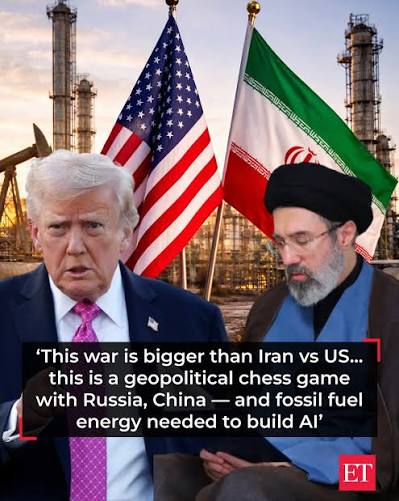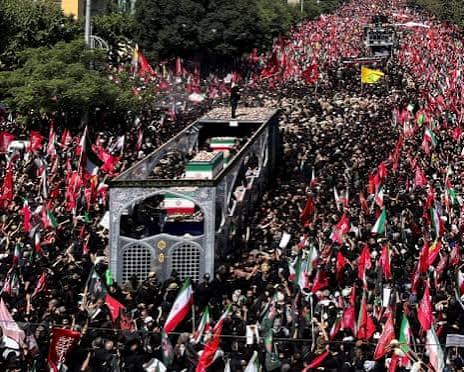
The decision to pause Iran’s diplomatic talks during the funeral of former Ayatollah Ali Khamenei has become one of the most significant developments in the Middle East. The temporary halt reflects not only the importance of the national mourning period but also the broader political and diplomatic implications for regional stability.
Government officials confirmed that negotiations involving Iran have been temporarily suspended while funeral ceremonies take place. Although the pause is expected to be short-term, analysts believe it could influence the timing of future discussions on security, sanctions, and regional cooperation.
The latest Iran talks pause during Khamenei funeral has attracted international attention because ongoing negotiations involve issues that directly affect the Middle East, global energy markets, and international diplomacy. Countries participating in these discussions are now closely monitoring Tehran’s next diplomatic move.
Why Were the Iran Talks Paused?
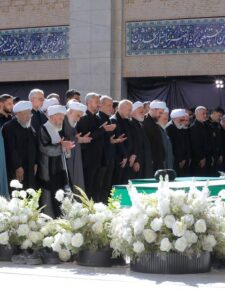
The suspension of negotiations follows the official mourning period announced after the passing of former Ayatollah Ali Khamenei. State institutions have shifted their immediate focus toward funeral arrangements, national ceremonies, and internal political coordination.
Major diplomatic meetings have therefore been postponed until government representatives return to their regular schedules. While such pauses are not uncommon during significant national events, the timing has drawn attention because negotiations were entering an important phase.
Diplomatic observers suggest that the delay should not necessarily be interpreted as a breakdown in communication. Instead, it appears to be a procedural pause linked to national priorities.
Nevertheless, the development has increased uncertainty among governments that were expecting progress in ongoing discussions.
International Response to the Pause
Several countries involved in Middle East diplomacy have acknowledged Iran’s decision and expressed hope that negotiations will resume soon.
Officials continue to emphasize diplomacy as the preferred path toward resolving outstanding disputes. International organizations have also encouraged all parties to maintain open communication channels despite the temporary interruption.
Western governments are carefully assessing whether the pause will affect broader diplomatic timelines. Meanwhile, regional partners are watching closely for any indication that the delay could extend beyond the mourning period.
Most analysts believe that all sides remain interested in returning to negotiations once official ceremonies conclude.
Political Significance of the Funeral
The funeral of former Ayatollah Ali Khamenei represents more than a ceremonial event. It serves as a major political moment for Iran’s leadership.
Senior government officials, military leaders, religious figures, and international delegations are expected to participate in ceremonies honoring the country’s long-serving leader. These events provide an opportunity for Iran’s political establishment to demonstrate unity during a period of national transition.
Political experts note that major state funerals often influence government schedules, foreign policy meetings, and diplomatic engagements.
For this reason, the temporary suspension of talks is viewed by many observers as an expected administrative decision rather than an unexpected policy shift.
How Could This Affect Nuclear Negotiations?
One of the biggest questions surrounding the latest Middle East update is whether the delay will influence future nuclear negotiations.
Iran has remained engaged in discussions over sanctions, nuclear commitments, and international monitoring for several years. While progress has often been slow, diplomatic channels have remained open.
The current pause may postpone scheduled meetings, but experts do not believe it automatically changes each side’s negotiating position.
Instead, the delay could simply shift the timetable by several days or weeks, depending on how quickly officials return to diplomatic activities after the funeral.
However, prolonged uncertainty could increase tensions if negotiations fail to resume within a reasonable timeframe.
Impact on Regional Security
The Middle East remains one of the world’s most strategically important regions. As a result, any interruption in diplomatic talks attracts widespread attention.
Neighboring countries continue monitoring developments because Iran plays a central role in several regional security issues.
These include:
- Maritime security
- Regional alliances
- Military cooperation
- Energy exports
- Counterterrorism efforts
A temporary diplomatic pause does not immediately alter these issues. However, prolonged delays could complicate efforts to reduce tensions through dialogue.
Regional governments are therefore encouraging all parties to return to negotiations as soon as circumstances permit.
Economic Implications
Financial markets often react to political uncertainty, especially when developments involve major energy-producing nations.
Iran remains an important player in global energy discussions despite international sanctions.
News of paused diplomatic talks has prompted investors to monitor oil prices and commodity markets more closely.
Energy analysts note that expectations surrounding future negotiations can influence market sentiment even before any policy changes occur.
Although no immediate economic disruption has been reported, investors remain cautious while awaiting further announcements.
What Analysts Are Saying
Political analysts generally agree that the pause should be viewed within the context of Iran’s national mourning period.
Many believe diplomatic negotiations are likely to resume once funeral ceremonies conclude.
Others caution that unexpected political developments during leadership transitions can sometimes affect foreign policy priorities.
Several international affairs experts also emphasize that maintaining diplomatic communication remains essential for reducing regional tensions.
Overall, most assessments suggest the suspension is temporary rather than permanent.
Why This Matters for the Middle East
The latest Iran talks pause during Khamenei funeral illustrates how domestic political events can influence international diplomacy.
Middle Eastern politics often involve interconnected security, economic, and diplomatic interests.
Consequently, even a brief interruption in negotiations attracts worldwide attention.
Governments across the region are expected to continue informal communication while awaiting the resumption of official meetings.
If talks restart quickly, the long-term diplomatic impact may remain limited. However, extended delays could create additional uncertainty for ongoing regional initiatives.
Possible Impact on Global Diplomacy
The temporary suspension of negotiations has implications beyond the Middle East. Major world powers have invested considerable diplomatic effort in maintaining communication with Iran over issues ranging from regional security to sanctions and nuclear oversight.
A pause in talks, even if brief, may delay scheduled meetings and slow progress on key diplomatic initiatives. However, experienced diplomats note that temporary interruptions are not unusual during periods of national mourning or political transition.
Countries involved in negotiations are expected to remain in contact through diplomatic channels while awaiting the resumption of formal discussions. Maintaining communication behind the scenes often helps preserve momentum despite public delays.
What Happens Next?
Attention is now focused on when Iranian officials will formally resume negotiations. Much depends on the duration of the official mourning period and the government’s domestic priorities following the funeral ceremonies.
If talks restart within days, analysts expect little long-term disruption. Negotiators can typically continue discussions from where they left off, provided no major political developments occur during the interim.
However, if the pause extends longer than anticipated, participating countries may need to revise diplomatic schedules. This could postpone discussions on sanctions relief, regional security arrangements, and confidence-building measures.
Leadership Transition and Policy Continuity
Political transitions often raise questions about future policy direction. While Iran’s institutions are designed to maintain continuity, international observers will closely watch whether the country’s diplomatic priorities remain unchanged.
Government officials have repeatedly emphasized that foreign policy decisions are based on national interests rather than individual personalities. As a result, many experts believe the temporary suspension of talks should not automatically be interpreted as a shift in Iran’s negotiating strategy.
Nevertheless, leadership transitions frequently influence diplomatic timelines, making the coming weeks particularly important for regional diplomacy.
Reactions from Regional Neighbors
Neighboring countries have responded cautiously to reports that negotiations have been paused.
Many governments continue advocating dialogue as the preferred means of resolving disputes. Regional leaders recognize that diplomatic engagement remains essential for addressing ongoing security concerns, maritime stability, and economic cooperation.
Some countries have also expressed hope that all parties will return to the negotiating table soon, reducing the risk of additional tensions across the region.
Energy Markets Continue Monitoring Developments
Iran remains one of the Middle East’s significant energy producers, meaning political developments often influence market expectations.
Although no immediate disruption to energy exports has been reported, traders continue monitoring diplomatic updates closely. Oil prices can react quickly to geopolitical uncertainty, particularly when negotiations involve countries with substantial influence over global energy supplies.
Market analysts stress that investor sentiment often changes faster than actual energy production. Consequently, future announcements regarding the resumption of talks could have a noticeable impact on commodity markets.
International Organizations Call for Continued Dialogue
Several international organizations have reiterated the importance of diplomacy despite the temporary interruption.
Officials continue encouraging peaceful negotiations and constructive engagement among all participating nations. Diplomatic dialogue is widely viewed as the most effective method for addressing complex regional disputes while reducing the possibility of escalation.
The current pause therefore represents a delay rather than an abandonment of diplomatic efforts.
Challenges Facing Future Negotiations
Even before the suspension, negotiations faced numerous challenges.
Among the most significant issues are:
- Nuclear monitoring agreements
- International sanctions
- Regional security concerns
- Maritime stability
- Humanitarian issues
- Economic cooperation
- Confidence-building measures
Each of these topics requires extensive negotiations, making consistent diplomatic engagement especially important.
Although the funeral has temporarily shifted national priorities, these underlying issues remain unresolved and will likely dominate future meetings.
Expert Outlook
Foreign policy specialists generally expect negotiations to resume once official ceremonies conclude.
Most analysts believe both Iran and participating governments recognize the importance of maintaining diplomatic channels.
Some experts caution that unexpected political developments can occasionally alter negotiation schedules. Nevertheless, there is currently little evidence suggesting that either side intends to permanently suspend diplomatic engagement.
Instead, the prevailing assessment is that the pause reflects respect for national mourning rather than a change in strategic objectives.
Why the Situation Matters Globally
The latest Iran talks pause during Khamenei funeral is important because developments involving Iran frequently have international consequences.
Diplomatic relations affect regional stability, global energy markets, international security, and economic confidence.
Governments around the world therefore continue monitoring events in Tehran while preparing for the next phase of negotiations.
If diplomatic discussions resume as expected, the temporary interruption may ultimately have only limited long-term consequences. However, any prolonged delay would likely increase international attention and encourage renewed diplomatic efforts from global partners.
Conclusion
The decision to pause negotiations during former Ayatollah Ali Khamenei’s funeral highlights the close connection between domestic political events and international diplomacy.
Although the interruption has temporarily delayed important discussions, most observers expect negotiations to resume after the national mourning period concludes.
The coming weeks will determine whether diplomatic momentum can be restored quickly or whether broader geopolitical developments reshape the negotiating landscape.
For now, governments, analysts, and financial markets remain focused on Tehran, awaiting confirmation that diplomatic engagement will continue.
Frequently Asked Questions
Why were Iran’s talks paused?
Iran temporarily suspended diplomatic negotiations to observe the official mourning period and funeral ceremonies for former Ayatollah Ali Khamenei.
Will the pause affect nuclear negotiations?
Most experts believe the interruption is temporary and primarily affects scheduling rather than the substance of ongoing negotiations.
How could this impact the Middle East?
Extended delays could slow diplomatic progress on regional security, sanctions, and economic cooperation. However, a short pause is unlikely to significantly alter existing policies.
Are international negotiations expected to resume?
Yes. Analysts generally expect discussions to restart after the conclusion of official funeral ceremonies, although the exact timeline has not been confirmed.
Why is this development important?
Iran plays a significant role in regional politics, global energy markets, and international diplomacy. Consequently, even temporary changes in its diplomatic schedule attract worldwide attention.
About the Author