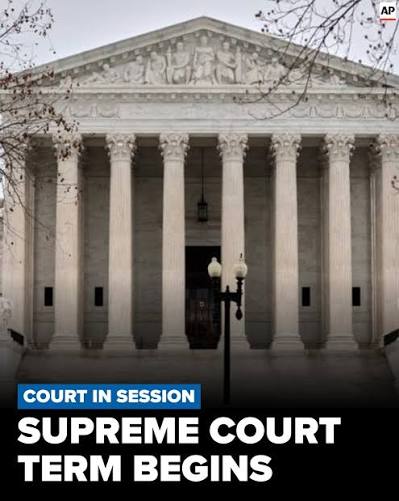
Landmark Decision: Supreme Court Rules On Transgender Sports Bans
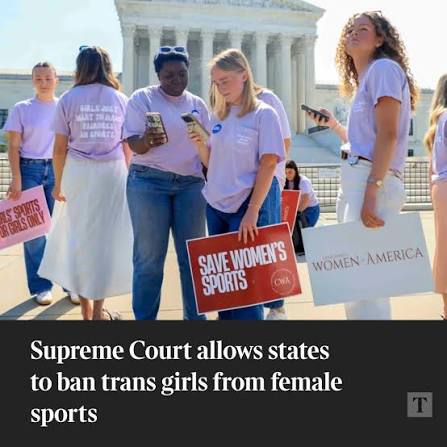
The U.S. Supreme Court has delivered one of its most closely watched decisions of the year, issuing a landmark ruling on state laws that prohibit transgender girls and women from participating in female school sports. The decision marks a major legal milestone in the ongoing national debate over transgender rights, Title IX protections, and state authority to regulate school athletics.
The Court’s ruling affects not only the two states directly involved—Idaho and West Virginia—but also establishes an important legal precedent that could influence similar laws across the United States. Supporters argue the decision protects fairness in women’s sports, while critics contend it limits opportunities for transgender students and raises significant civil rights concerns.
In this article, we examine what the Supreme Court decided, why the cases reached the nation’s highest court, the legal arguments presented by both sides, reactions from across the political spectrum, and what the ruling means for the future.
Supreme Court Upholds State Sports Restrictions
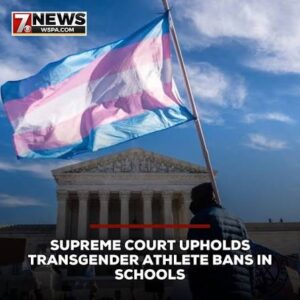
In a significant decision announced on June 30, 2026, the Supreme Court upheld state laws in Idaho and West Virginia that restrict transgender girls from competing on girls’ and women’s school sports teams.
The Court concluded that the challenged state laws do not violate federal Title IX protections or the Equal Protection Clause of the U.S. Constitution. According to the majority opinion, states may distinguish athletic participation based on biological sex because competitive sports present circumstances where physical differences may be relevant.
The ruling represents the Court’s first major decision directly addressing transgender participation in school athletics.
Background of the Cases
The Supreme Court reviewed two closely watched lawsuits:
- Little v. Hecox, involving Idaho’s Fairness in Women’s Sports Act.
- West Virginia v. B.P.J., challenging West Virginia’s restrictions on transgender athletes.
Both cases questioned whether state laws excluding transgender girls from girls’ sports violated constitutional equal protection guarantees and Title IX, the federal law prohibiting sex discrimination in education.
Lower courts had reached differing conclusions, making Supreme Court review increasingly likely.
Why These Cases Were Important
The legal battle extended far beyond athletics.
The Court’s decision touched upon:
- Interpretation of Title IX
- Equal Protection Clause standards
- State authority over education
- Rights of transgender students
- Women’s athletics policies
Legal experts viewed the cases as among the most significant transgender rights disputes since recent Supreme Court decisions involving gender identity.
The Majority’s Reasoning
Justice Brett Kavanaugh authored the majority opinion.
The Court emphasized that:
- Sports have unique competitive characteristics.
- Biological sex may be considered when determining athletic eligibility.
- Title IX permits sex-separated athletic competition.
- States have discretion to regulate school athletics.
The majority stated that lawmakers—not courts—are generally responsible for resolving policy questions surrounding competitive fairness in sports.
Equal Protection Analysis
A major constitutional question involved whether these laws unlawfully discriminated against transgender students.
The majority determined that:
- The laws classify athletes based on biological sex.
- The classifications satisfy constitutional review.
- States presented legitimate governmental interests related to athletic competition.
Because of this reasoning, the Court rejected claims that the bans violated the Equal Protection Clause.
Title IX Interpretation
Another central issue involved Title IX.
Supporters of the bans argued:
- Title IX was enacted to preserve equal opportunities for biological females.
- Sex-separated sports remain lawful under federal law.
Opponents argued:
- Gender identity should receive protection under Title IX.
- Blanket bans unfairly exclude transgender students.
The Court sided with the states, concluding that Title IX does not prevent them from maintaining biological-sex-based athletic categories.
The Dissenting Opinion
The Court’s liberal justices disagreed with portions of the majority’s reasoning.
Justice Sonia Sotomayor argued the Court failed to adequately consider the individual circumstances of transgender students and prematurely foreclosed constitutional challenges.
The dissent warned that the decision could significantly affect transgender youth seeking equal participation in school activities.
Supporters Welcome the Decision
Supporters described the ruling as a victory for women’s athletics.
Many advocates argued it:
- Protects competitive fairness.
- Preserves opportunities created under Title IX.
- Gives states flexibility in designing athletic policies.
- Provides legal clarity after years of litigation.
Several Republican leaders praised the ruling shortly after it was announced.
Critics Express Concern
Civil rights organizations and LGBTQ advocacy groups criticized the ruling.
They argued that:
- Transgender students face increased exclusion.
- The decision could contribute to stigma.
- Participation in school sports offers important social and educational benefits.
- Future litigation may continue in related areas.
Advocates also expressed concern about broader implications for transgender rights beyond athletics.
National Impact
More than two dozen states have enacted laws addressing transgender participation in girls’ sports.
Because of the Supreme Court’s ruling:
- Existing state laws are likely to receive stronger legal support.
- Ongoing lawsuits may become more difficult for challengers.
- Additional states could adopt similar legislation.
However, the ruling does not automatically require every state to enact such restrictions. Instead, it confirms that states have constitutional authority to do so.
Relationship to Earlier Supreme Court Decisions
The ruling follows several recent Supreme Court decisions involving transgender rights.
Observers note that the Court has increasingly allowed states greater authority to regulate issues involving transgender healthcare, athletics, and education.
Legal scholars believe the sports decision continues that broader judicial trend.
Political Reactions
The decision immediately generated reactions from lawmakers.
Republican officials largely praised the outcome, saying it protects women’s sports and reflects congressional intent behind Title IX.
Democratic leaders and many civil rights advocates criticized the ruling, arguing it undermines protections for transgender Americans.
The decision is expected to remain an important issue in future political campaigns.
Educational Implications
Schools, athletic associations, and colleges may now review existing eligibility policies.
Administrators will likely examine:
- Participation rules
- State compliance requirements
- Athletic governing body regulations
- Student eligibility procedures
Some organizations may revise their policies to align with the Court’s interpretation.
Impact on Student Athletes
For transgender students, the decision could significantly affect athletic participation depending on state law.
For female athletes, supporters believe the ruling reinforces competitive protections established under Title IX.
School districts must now balance legal compliance with efforts to foster inclusive educational environments.
Legal Experts Weigh In
Constitutional scholars say the ruling provides substantial guidance regarding:
- Equal Protection standards
- Title IX interpretation
- State regulatory authority
- Future transgender-related litigation
Even so, experts note that many legal questions surrounding transgender rights remain unresolved.
Future disputes could involve locker rooms, educational accommodations, employment protections, or other issues beyond athletics.
What Comes Next?
Although the Supreme Court has resolved these two cases, litigation surrounding transgender rights is far from over.
Possible future developments include:
- Additional federal lawsuits.
- Legislative action by Congress.
- New state laws.
- Changes to athletic association policies.
- Continued public debate.
The Court’s ruling will likely serve as an important precedent for years to come.
Conclusion
The Supreme Court’s decision on transgender sports bans represents one of the most consequential legal rulings involving gender identity and athletics in recent years.
By upholding laws in Idaho and West Virginia, the Court concluded that states may base participation in girls’ and women’s school sports on biological sex without violating Title IX or the Equal Protection Clause. The ruling strengthens state authority in this area while ensuring that debate over fairness, inclusion, and equal opportunity remains at the forefront of public discussion.
As schools, lawmakers, athletes, and advocacy organizations respond to the decision, its legal and social impact is expected to shape education and sports policy across the United States for years ahead.
Frequently Asked Questions (FAQs)
1. What did the Supreme Court decide?
The Court upheld state laws allowing Idaho and West Virginia to restrict transgender girls from participating in girls’ school sports.
2. Does the ruling create a nationwide ban?
No. The decision does not impose a nationwide ban. It confirms that states may enact such laws if they choose.
3. Which cases were involved?
The ruling resolved Little v. Hecox and West Virginia v. B.P.J.
4. Why is Title IX important in this case?
Title IX prohibits sex discrimination in education. The Court concluded that Title IX permits states to separate sports participation based on biological sex in this context.
5. Will more legal challenges follow?
Yes. While this ruling settles key questions about school sports bans, other legal issues involving transgender rights are likely to continue in courts across the country.
The Supreme Court’s decision is expected to have a lasting impact on women’s and girls’ athletics throughout the United States. Organizations that support sex-based athletic categories argue that the ruling reinforces the original purpose of Title IX, which was enacted to expand opportunities for female athletes.
Supporters believe that allowing states to establish eligibility rules based on biological sex helps preserve competitive balance in sports where physical differences may affect performance. They also argue that the decision provides much-needed legal certainty after years of conflicting lower court rulings.
At the same time, the ruling does not require every state to adopt the same approach. States remain free to develop policies that align with their own laws, provided they comply with constitutional and federal legal standards.
How Schools and Athletic Associations May Respond
Following the Court’s decision, school districts, colleges, and athletic associations are expected to review their current participation policies.
Educational institutions may need to:
- Update athletic eligibility guidelines.
- Train coaches and administrators on new legal requirements.
- Ensure compliance with state laws.
- Communicate policy changes clearly to students and families.
- Review procedures for handling eligibility disputes.
Some athletic organizations may also revisit their own rules to ensure they are consistent with the legal framework established by the Supreme Court.
Impact on Ongoing Legal Challenges
The Court’s ruling will likely influence several pending lawsuits involving transgender participation in school athletics. While each case depends on its own facts and state laws, lower courts are expected to consider the Supreme Court’s reasoning when deciding future disputes.
Legal experts say the decision establishes an important precedent, making it more difficult for challengers to argue that similar state laws are unconstitutional under the Equal Protection Clause or Title IX.
However, questions involving other aspects of transgender rights—such as healthcare, education, employment, and public accommodations—remain unresolved and could lead to additional litigation.
National Debate Continues
The issue of transgender participation in sports has become one of the most debated topics in American politics. Supporters of state restrictions argue that they are necessary to protect opportunities for female athletes, while opponents believe such laws unfairly exclude transgender students from school activities.
The Supreme Court’s decision is unlikely to end that debate. Instead, it may shift the focus toward state legislatures, Congress, and athletic governing bodies as they continue to consider policies affecting transgender athletes.
Public opinion remains divided, and advocacy groups on both sides have pledged to continue pursuing their goals through legislative and legal channels.
Political Reactions Across the Country
The ruling prompted swift reactions from elected officials and advocacy organizations.
Many Republican leaders praised the decision, calling it a victory for women’s sports and state authority. They argued that the Court correctly interpreted Title IX and recognized the importance of maintaining separate athletic categories based on biological sex.
Democratic lawmakers and LGBTQ+ advocacy groups expressed disappointment, arguing that the decision could reduce opportunities for transgender students and increase discrimination. They urged lawmakers to consider additional federal protections for transgender individuals.
The differing reactions underscore how closely the issue is tied to broader political debates over gender identity, education, and civil rights.
What the Decision Does—and Does Not Do
Although the ruling is significant, it is important to understand its scope.
The decision does:
- Uphold the challenged laws in Idaho and West Virginia.
- Confirm that states may adopt similar policies under current federal law.
- Provide guidance on how courts should analyze comparable cases.
The decision does not:
- Create a nationwide ban on transgender athletes.
- Prevent states from adopting different policies.
- Resolve every legal question involving transgender rights.
Future court cases may address related issues that were not directly before the Supreme Court in these cases.
What Comes Next?
The Court’s ruling is expected to shape legal and policy discussions for years to come.
Possible future developments include:
- Additional legislation at the state level.
- Congressional efforts to clarify Title IX.
- Updated rules from athletic organizations.
- New legal challenges involving different factual circumstances.
- Continued public debate over fairness and inclusion in sports.
Because the issue involves constitutional rights, federal law, and evolving public policy, it is likely to remain a major topic in both the courts and the political arena.
Conclusion
The Supreme Court’s landmark decision on transgender sports bans represents a defining moment in the ongoing debate over athletics, gender identity, and the interpretation of Title IX.
By upholding state laws in Idaho and West Virginia, the Court affirmed that states may separate school sports participation based on biological sex without violating federal law or the Constitution. Supporters view the ruling as a victory for fairness in women’s sports, while critics argue it limits opportunities for transgender students and raises important civil rights concerns.
Although the decision resolves two closely watched cases, it does not end the broader national conversation. Schools, lawmakers, athletic organizations, and advocacy groups will continue to grapple with questions about equality, inclusion, and competitive fairness. As additional legal and legislative developments unfold, this ruling will remain a key reference point in shaping the future of school athletics across the United States.
Frequently Asked Questions (FAQs)
1. What did the Supreme Court decide in the transgender sports cases?
The Supreme Court upheld laws in Idaho and West Virginia that restrict transgender girls from participating in girls’ school sports, finding that the laws do not violate the Equal Protection Clause or Title IX under the Court’s interpretation.
2. Does the ruling apply nationwide?
No. The decision does not impose a nationwide policy. Instead, it confirms that states may enact and enforce similar laws if they choose.
3. Which states were directly involved in the cases?
The ruling concerned laws from Idaho and West Virginia, but it is expected to influence similar laws in many other states.
4. What is Title IX?
Title IX is a federal civil rights law that prohibits sex-based discrimination in educational programs receiving federal funding. It also allows schools to maintain separate athletic teams based on sex under certain circumstances.
5. Will this end legal disputes over transgender rights?
No. While the decision settles these specific cases, legal challenges involving transgender rights in healthcare, education, employment, and other areas are expected to continue.
6. Why is this ruling considered historic?
It is one of the Supreme Court’s most significant decisions addressing transgender participation in school athletics and provides important guidance on how courts should evaluate similar state laws in the future.
How useful was this post?
Click on a star to rate it!
Average rating 0 / 5. Vote count: 0
No votes so far! Be the first to rate this post.
About the Author

usa5911.com
Administrator
Hi, I’m Gurdeep Singh, a professional content writer from India with over 3 years of experience in the field. I specialize in covering U.S. politics, delivering timely and engaging content tailored specifically for an American audience. Along with my dedicated team, we track and report on all the latest political trends, news, and in-depth analysis shaping the United States today. Our goal is to provide clear, factual, and compelling content that keeps readers informed and engaged with the ever-changing political landscape.