Major Escalation: US Military Conducts Strikes Near The Strait Of Hormuz
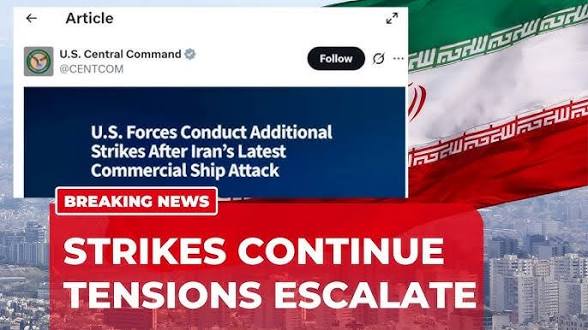
The Middle East has entered another period of heightened uncertainty after the United States launched military strikes against Iranian targets following attacks on commercial vessels near the Strait of Hormuz. According to official statements from the U.S. military, the strikes were carried out as a defensive response to protect international shipping and maintain freedom of navigation through one of the world’s most important maritime corridors.
The latest developments have increased concerns about regional security, global energy markets, and the possibility of a broader military confrontation. Governments around the world are closely monitoring the situation, while shipping companies and financial markets are assessing the potential risks.
This article explains what happened, why the Strait of Hormuz matters, the international response, and what could happen next.
What Happened Near the Strait of Hormuz?
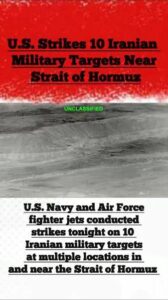
The United States confirmed that its military conducted precision strikes targeting Iranian military infrastructure after Iran allegedly launched drone attacks against commercial vessels operating near the Strait of Hormuz. U.S. Central Command stated that the operation targeted facilities connected to missile launches, drone operations, and surveillance systems that threatened maritime traffic.
According to U.S. officials, the military action was intended to deter further attacks and ensure the safety of commercial shipping passing through the strategic waterway.
Iran, however, has disputed the U.S. narrative and has warned that continued military operations could trigger additional retaliation, increasing fears of a wider regional conflict.
Why Is the Strait of Hormuz So Important?
The Strait of Hormuz is one of the world’s most strategically significant waterways. It connects the Persian Gulf with the Gulf of Oman and the Arabian Sea.
Every day, millions of barrels of crude oil and liquefied natural gas pass through this narrow shipping lane. Countries including Saudi Arabia, Iraq, Kuwait, the United Arab Emirates, and Qatar rely heavily on this route to export energy products.
Because so much of the world’s energy supply depends on uninterrupted shipping through the strait, any military activity immediately attracts global attention.
Even minor disruptions can affect:
- Global oil prices
- International shipping costs
- Supply chains
- Energy security
- Financial markets
For decades, the Strait of Hormuz has remained one of the world’s most sensitive geopolitical hotspots.
Why Did the US Launch the Strikes?
According to U.S. Central Command, the strikes followed Iranian drone attacks against commercial shipping that Washington says violated an existing ceasefire framework and threatened civilian maritime traffic. Officials described the operation as a defensive response rather than the beginning of a larger offensive campaign.
Military officials said the objectives included:
- Protecting international shipping
- Preventing future attacks
- Deterring additional drone operations
- Preserving freedom of navigation
- Supporting regional stability
The U.S. emphasized that it does not seek a broader war but will continue responding to threats against commercial vessels and American interests.
Iran’s Response
Iran condemned the U.S. strikes and characterized them as violations of its sovereignty. Iranian officials argued that the attacks risk escalating tensions across the region and warned that further military action could provoke additional responses.
Following the U.S. operation, reports indicated renewed military activity involving missile and drone strikes against U.S.-linked facilities in the Gulf, raising fears of a cycle of retaliation.
Analysts warn that both sides appear to be attempting to avoid a full-scale war while simultaneously demonstrating military strength.
Impact on Global Oil Markets
Whenever tensions rise near the Strait of Hormuz, global energy markets react almost immediately.
Investors closely monitor developments because roughly one-fifth of the world’s oil trade passes through this maritime corridor.
Potential consequences include:
- Higher crude oil prices
- Increased fuel costs
- Rising shipping insurance premiums
- Delays in cargo transportation
- Greater market volatility
Although shipping has continued in recent days, traders remain cautious because additional military incidents could quickly disrupt maritime traffic.
How International Leaders Are Responding
Several governments have urged restraint while emphasizing the importance of protecting international shipping routes.
Many countries have called for diplomatic engagement to reduce tensions and prevent further escalation.
International observers continue to stress:
- Respect for international law
- Protection of civilian vessels
- Continued maritime security
- Diplomatic negotiations
- Regional stability
Shipping companies are also reviewing security procedures for vessels traveling through the Gulf region.
Military Significance of the Operation
Military analysts believe the strikes were carefully designed to degrade Iranian capabilities without triggering a broader conflict.
Reports indicate that the targets included surveillance infrastructure, drone-related facilities, and military assets associated with attacks on commercial shipping.
Such operations aim to reduce immediate threats while signaling that attacks on international shipping will receive a military response.
However, experts caution that even limited strikes carry significant risks, particularly when multiple armed actors operate within a relatively small geographic area.
The latest U.S. military strikes near the Strait of Hormuz have prompted swift reactions from governments and international organizations. Many world leaders have urged restraint, warning that additional military exchanges could further destabilize the Middle East and threaten international trade.
Several Western allies reaffirmed the importance of protecting commercial shipping and freedom of navigation. At the same time, many countries called on both the United States and Iran to avoid actions that could escalate into a wider regional conflict.
The United Nations also renewed calls for dialogue and diplomatic engagement. Officials emphasized that reducing tensions through negotiations remains the best path toward maintaining regional peace and protecting civilians.
Regional Gulf nations are closely monitoring developments because any disruption in the Strait of Hormuz directly affects their economies and energy exports. Governments across the Gulf have increased maritime surveillance while coordinating with international partners to safeguard shipping lanes.
Economic Impact Beyond Oil Prices
Although oil prices often receive the most attention during crises in the Strait of Hormuz, the broader economic consequences can be equally significant.
The waterway is a vital route for global trade. Any increase in military activity may affect:
- International shipping schedules
- Freight costs
- Marine insurance premiums
- Supply chain reliability
- Investor confidence
- Global stock markets
Shipping companies may choose alternative routes or delay voyages if security risks increase. These decisions can raise transportation costs, which may eventually affect consumers through higher prices for imported goods.
Financial markets also tend to react quickly to geopolitical uncertainty. Investors often shift toward traditionally safer assets while monitoring updates from military and diplomatic officials.
Why Freedom of Navigation Matters
Freedom of navigation is a key principle of international maritime law. It allows commercial vessels to travel through international waterways without unlawful interference.
The Strait of Hormuz is particularly important because it connects the Persian Gulf with global markets. If shipping were significantly disrupted, energy-importing nations across Asia, Europe, and other regions could experience supply shortages or higher fuel costs.
For this reason, the United States and several allied nations regularly conduct maritime security operations in the region. Their stated objective is to ensure that commercial shipping can continue safely despite regional tensions.
Possible Scenarios Going Forward
The coming weeks will likely determine whether the latest escalation remains limited or develops into a broader crisis.
Several possible outcomes include:
1. Increased Diplomatic Engagement
International mediators could encourage direct or indirect talks between the United States and Iran. Diplomatic efforts may focus on reducing military activity and preventing additional attacks on commercial shipping.
2. Continued Limited Military Responses
If further attacks occur, the United States could conduct additional targeted strikes against military infrastructure while attempting to avoid a full-scale conflict.
3. Greater Maritime Security
Coalition naval forces may expand patrols around the Strait of Hormuz to deter future attacks and reassure commercial shipping companies.
4. Broader Regional Escalation
The most concerning possibility is a wider military confrontation involving additional regional actors. Such a scenario could significantly affect energy markets, international trade, and regional stability.
At present, officials continue to stress that they seek to avoid this outcome.
Expert Analysis
Security analysts generally agree that the Strait of Hormuz will remain one of the world’s most strategically sensitive regions.
Military experts note that both Washington and Tehran face difficult choices. While each side wants to demonstrate resolve, both also recognize the enormous costs associated with a prolonged regional conflict.
Economic analysts likewise warn that uncertainty itself can influence markets. Even if shipping continues without major interruption, persistent security concerns may keep energy prices volatile.
Diplomatic experts argue that sustained communication between regional powers and international organizations remains essential to reducing the risk of further escalation.
What This Means for Global Security
The latest military strikes highlight how quickly localized incidents can have worldwide consequences.
Because the Strait of Hormuz serves as a critical artery for global energy supplies, events in the region influence governments, businesses, investors, and consumers around the world.
Maintaining secure shipping routes remains a shared international interest. At the same time, long-term regional stability will likely depend on continued diplomatic engagement alongside security measures designed to deter attacks on civilian maritime traffic.
Conclusion
The reported U.S. military strikes near the Strait of Hormuz represent another significant development in an already tense regional security environment. According to U.S. officials, the operation was intended to protect commercial shipping and deter future attacks. Iranian officials have condemned the strikes and warned of potential consequences.
While the immediate objective appears focused on maritime security, the broader implications extend far beyond the Gulf. Global energy markets, international trade, diplomatic relations, and regional stability all remain closely linked to developments in this strategically important waterway.
As governments continue monitoring the situation, the international community is urging restraint and emphasizing diplomacy as the most effective path toward preventing further escalation. The coming days and weeks will be critical in determining whether tensions ease or intensify.
Frequently Asked Questions (FAQs)
1. Why did the U.S. conduct strikes near the Strait of Hormuz?
According to U.S. officials, the strikes were carried out in response to attacks on commercial shipping and were intended to protect freedom of navigation and deter future threats.
2. Why is the Strait of Hormuz important?
The Strait of Hormuz is one of the world’s busiest energy shipping routes, carrying a substantial share of globally traded oil and liquefied natural gas.
3. How could these strikes affect oil prices?
Military tensions near the strait can increase uncertainty, which may lead to higher oil prices and greater market volatility.
4. Has commercial shipping stopped?
Commercial shipping has generally continued, although some companies have adopted additional security measures and are closely monitoring the situation.
5. What has Iran said about the strikes?
Iran has condemned the U.S. military action, disputed aspects of the U.S. account, and warned against further escalation.
6. Could this lead to a wider regional conflict?
Analysts say the risk exists, but many governments are working through diplomatic channels to prevent a broader confrontation.
7. How does this affect the global economy?
Potential impacts include higher shipping costs, increased insurance premiums, fluctuations in oil prices, and greater uncertainty in financial markets.
8. What role does the U.S. military play in the region?
The United States maintains a military presence in the region to support allies, protect maritime security, and help ensure freedom of navigation.
9. What are world leaders calling for?
Many governments and international organizations are urging restraint, dialogue, and diplomatic efforts to reduce tensions.
10. What should people watch for next?
Key developments include any further military activity, diplomatic negotiations, changes in commercial shipping, and movements in global energy markets.
How useful was this post?
Click on a star to rate it!
Average rating 0 / 5. Vote count: 0
No votes so far! Be the first to rate this post.
About the Author

usa5911.com
Administrator
Hi, I’m Gurdeep Singh, a professional content writer from India with over 3 years of experience in the field. I specialize in covering U.S. politics, delivering timely and engaging content tailored specifically for an American audience. Along with my dedicated team, we track and report on all the latest political trends, news, and in-depth analysis shaping the United States today. Our goal is to provide clear, factual, and compelling content that keeps readers informed and engaged with the ever-changing political landscape.