Major Immigration Move: Trump Set To Nominate New ICE Director
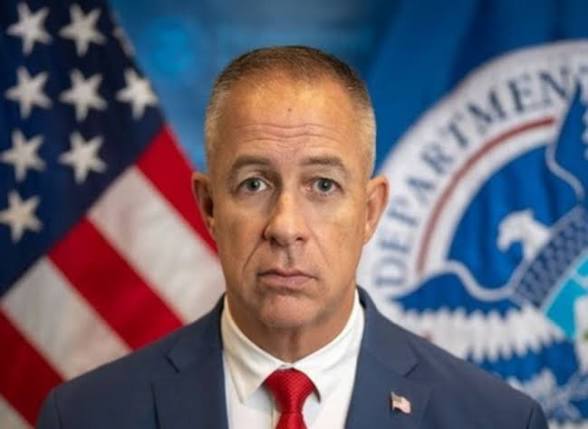
The Trump administration is preparing for another significant development in its immigration agenda. President Donald Trump has announced his intention to nominate a new Director of U.S. Immigration and Customs Enforcement (ICE), a move that is expected to strengthen the administration’s focus on border security, immigration enforcement, and interior deportation operations.
The nominee, Lance Schroyer, has spent years working within immigration enforcement and has developed a reputation as an experienced law enforcement official. If confirmed by the Senate, Schroyer would become the public face of one of the federal government’s most influential immigration agencies during a period of heightened debate over illegal immigration and border security.
The announcement comes as immigration continues to dominate national political discussions. With record levels of border encounters in recent years, ongoing debates over asylum policies, and renewed efforts to reshape immigration enforcement, the appointment of a permanent ICE Director could significantly influence the direction of federal immigration policy.
This article explains who Lance Schroyer is, why President Trump selected him, what the nomination means for ICE, and how the decision could affect immigration enforcement across the United States.
Why the ICE Director Position Matters

The Director of Immigration and Customs Enforcement oversees one of the largest law enforcement agencies within the Department of Homeland Security (DHS). ICE is responsible for enforcing immigration laws inside the United States and investigating criminal organizations involved in activities such as human trafficking, drug smuggling, cybercrime, financial crimes, and child exploitation.
Unlike U.S. Customs and Border Protection (CBP), which focuses primarily on securing the nation’s borders, ICE carries out immigration enforcement throughout the country. Its responsibilities include:
- Arresting individuals who violate immigration laws.
- Conducting deportation and removal operations.
- Investigating transnational criminal organizations.
- Fighting human trafficking networks.
- Targeting illegal drug distribution operations.
- Protecting national security through immigration enforcement.
Because of these broad responsibilities, the leadership of ICE often plays a central role in shaping federal immigration policy.
President Trump Announces New Nomination
President Donald Trump announced that he intends to nominate Lance Schroyer as the next Director of ICE. The decision reflects the administration’s broader commitment to increasing immigration enforcement while emphasizing public safety and border security.
According to the announcement, Schroyer brings decades of experience in immigration enforcement and federal law enforcement operations. His background includes leadership positions within ICE, making him familiar with both field operations and agency management.
The administration has described Schroyer as someone capable of leading the agency during a period of expanding immigration enforcement initiatives.
Although the nomination has been announced, Schroyer must still receive confirmation from the U.S. Senate before officially assuming the role.
Who Is Lance Schroyer?
Lance Schroyer is a veteran immigration enforcement official with years of experience inside ICE. Throughout his federal career, he has worked in multiple leadership capacities involving immigration enforcement and investigative operations.
His professional experience reportedly includes:
- Leadership within ICE Enforcement and Removal Operations (ERO).
- Oversight of immigration enforcement initiatives.
- Management of field offices and enforcement personnel.
- Coordination with federal, state, and local law enforcement agencies.
- Strategic planning for immigration enforcement operations.
Because of his extensive operational experience, Schroyer is viewed by many supporters as someone who understands the agency from the ground up.
Unlike political appointees without enforcement backgrounds, Schroyer has spent much of his career working directly within immigration enforcement structures.
That experience is expected to be one of the administration’s primary arguments during the Senate confirmation process.
Why Trump Selected Schroyer
President Trump has consistently emphasized stricter immigration enforcement throughout both his presidential campaigns and his time in office. His administration has argued that stronger interior enforcement is necessary to improve public safety and uphold immigration laws.
Several factors likely contributed to Schroyer’s nomination.
Extensive Enforcement Experience
Schroyer’s career inside ICE provides firsthand knowledge of how immigration enforcement operations function across the country.
This experience may allow him to implement policy directives more efficiently than an outsider.
Leadership Background
Managing a nationwide law enforcement agency requires significant administrative experience.
Schroyer’s leadership roles have involved supervising personnel, coordinating investigations, and overseeing enforcement priorities.
These qualifications may help him manage an agency with thousands of employees spread across numerous field offices.
Alignment With Administration Priorities
President Trump’s immigration agenda emphasizes:
- Increased deportation efforts.
- Stronger enforcement against criminal organizations.
- Expanded detention capacity.
- Greater cooperation with local law enforcement.
- Faster immigration case processing where legally possible.
Observers expect Schroyer to support these priorities if confirmed.
Immigration Remains a Top Political Issue
Immigration continues to rank among the most discussed issues in American politics.
Supporters of stricter enforcement argue that stronger immigration controls are necessary to:
- Protect national security.
- Reduce illegal border crossings.
- Combat drug trafficking.
- Address human smuggling.
- Enforce existing immigration laws.
Meanwhile, critics often argue that immigration policy should balance enforcement with humanitarian protections, asylum rights, and due process.
Because ICE sits at the center of these debates, every leadership change attracts significant political attention.
What Could Change Under New Leadership?
Although agency policies ultimately reflect directives from the President and the Department of Homeland Security, the ICE Director plays an important role in determining operational priorities.
If confirmed, Schroyer could oversee efforts focused on:
Expanded Interior Enforcement
ICE may prioritize locating individuals who have final removal orders or who are accused or convicted of certain crimes, consistent with administration policy and applicable law.
Increased Cooperation With Local Agencies
The administration has expressed interest in expanding cooperation between ICE and state or local law enforcement through existing partnership programs.
Supporters say such coordination improves public safety, while opponents have raised concerns about community trust and civil rights.
Greater Focus on Criminal Organizations
ICE’s Homeland Security Investigations (HSI) division investigates transnational criminal organizations involved in drug trafficking, money laundering, child exploitation, and human trafficking.
Leadership could place additional emphasis on these investigations.
Technology and Intelligence
ICE increasingly relies on intelligence analysis, digital investigations, and data-sharing tools to identify individuals involved in criminal activity and immigration violations.
Schroyer’s operational experience may influence how these resources are prioritized.
Senate Confirmation Will Be Closely Watched
The nomination process is expected to receive considerable attention in the Senate.
Lawmakers are likely to question Schroyer on topics such as:
- Enforcement priorities.
- Detention policies.
- Border security coordination.
- Due process protections.
- Agency oversight and accountability.
- Cooperation with state and local governments.
Supporters are expected to emphasize his law enforcement experience, while critics may scrutinize how he would implement the administration’s immigration agenda.
The confirmation hearings could also provide additional insight into the administration’s broader immigration strategy for the coming years.
President Trump’s decision to nominate Lance Schroyer as the next ICE Director has generated discussion across the political spectrum. As with many immigration-related decisions, reactions have largely reflected differing views on border security and immigration enforcement.
Supporters Welcome the Nomination
Supporters of the nomination argue that ICE needs experienced leadership at a time when immigration remains a top national issue. They believe Schroyer’s background within the agency makes him well-qualified to oversee enforcement operations and implement the administration’s priorities.
Many supporters point to several reasons why they favor the nomination:
- Extensive experience within ICE.
- Familiarity with immigration enforcement procedures.
- Strong law enforcement background.
- Understanding of agency operations.
- Ability to coordinate with other federal agencies.
Supporters also argue that appointing someone with years of operational experience could improve efficiency within the agency and help carry out existing immigration laws more effectively.
Several lawmakers who favor stricter immigration enforcement have emphasized that experienced leadership is especially important as the administration continues expanding efforts to combat illegal immigration, human trafficking, and transnational criminal organizations.
Critics Raise Questions About Future Enforcement
Immigration advocacy organizations and some lawmakers have expressed concerns about how a new ICE Director might implement the administration’s policies.
Critics argue that aggressive enforcement strategies could affect immigrant communities, asylum seekers, and mixed-status families. They have called for transparency, accountability, and adherence to constitutional protections throughout immigration proceedings.
Some of the key issues critics are expected to raise include:
- Protection of due process rights.
- Oversight of detention facilities.
- Treatment of asylum applicants.
- Enforcement priorities.
- Community relations.
- Civil rights protections.
Many advocacy groups have indicated that they will closely monitor the Senate confirmation process and any future policy changes implemented under new leadership.
What the Senate Confirmation Process Looks Like
Before Lance Schroyer can officially become the Director of ICE, the U.S. Senate must confirm his nomination.
The confirmation process generally includes several important steps.
Committee Review
The nomination is first referred to the appropriate Senate committee, where lawmakers review the nominee’s qualifications, career history, and policy positions.
Committee members may request documents, conduct background reviews, and prepare questions for the confirmation hearing.
Confirmation Hearing
During the hearing, senators question the nominee on a wide range of topics, including:
- Immigration enforcement priorities.
- Agency management.
- Border security.
- Cooperation with other law enforcement agencies.
- Civil liberties.
- Oversight and accountability.
The hearing provides lawmakers and the public with an opportunity to better understand how the nominee plans to lead the agency.
Senate Vote
If the committee advances the nomination, the full Senate votes on whether to confirm the nominee.
A successful vote would allow Schroyer to officially assume leadership of ICE.
What Could the Nomination Mean for U.S. Immigration Policy?
Although the ICE Director does not independently create immigration law, the position plays an important role in implementing the administration’s priorities.
If confirmed, Schroyer could oversee several initiatives aligned with President Trump’s immigration agenda.
Increased Interior Immigration Enforcement
The administration has emphasized enforcing existing immigration laws within the United States. This could include prioritizing individuals with final removal orders or those accused or convicted of certain crimes, consistent with applicable law and policy.
Enhanced Coordination With Federal Agencies
ICE frequently works alongside agencies such as:
- U.S. Customs and Border Protection (CBP)
- Federal Bureau of Investigation (FBI)
- Drug Enforcement Administration (DEA)
- Homeland Security Investigations (HSI)
- U.S. Marshals Service
A coordinated approach may help address issues such as drug trafficking, human smuggling, financial crimes, and organized criminal activity.
Continued Focus on National Security
The administration has repeatedly linked immigration enforcement with national security objectives. Under Schroyer’s leadership, ICE may continue emphasizing investigations into transnational criminal organizations and immigration fraud.
Challenges Facing the New ICE Director
Leading ICE involves balancing law enforcement responsibilities with legal, operational, and humanitarian considerations. If confirmed, Schroyer is likely to face several significant challenges.
Managing Resources
ICE oversees thousands of employees across the country. Ensuring adequate staffing, training, and funding will remain a priority.
Court Backlogs
The U.S. immigration court system continues to face substantial case backlogs. While ICE does not control the courts, delays can affect detention decisions, removal proceedings, and overall case management.
Public Confidence
ICE has long been at the center of public debate. The agency’s leadership must maintain public trust while carrying out its statutory responsibilities and complying with court rulings and federal law.
Policy Changes
Immigration policy can evolve through legislation, executive actions, and court decisions. The next ICE Director will need to adapt agency operations to changing legal requirements.
Why This Nomination Matters
The nomination of a new ICE Director is significant because the agency plays a central role in enforcing U.S. immigration laws. Leadership decisions can influence operational priorities, resource allocation, and coordination with other federal, state, and local agencies.
For supporters of stricter immigration enforcement, the nomination signals the administration’s intention to strengthen enforcement efforts and border security.
For critics, the nomination raises questions about how future policies will affect immigrant communities and whether enforcement actions will be balanced with due process and humanitarian considerations.
As the confirmation process moves forward, lawmakers will examine Schroyer’s qualifications, leadership approach, and vision for the agency.
Looking Ahead
Immigration is expected to remain one of the defining policy issues in the United States. The appointment of a permanent ICE Director comes at a time when debates continue over border security, asylum procedures, interior enforcement, and immigration reform.
If confirmed by the Senate, Lance Schroyer will oversee one of the federal government’s most visible law enforcement agencies. His leadership could shape how ICE carries out its mission during the remainder of President Trump’s administration.
While supporters anticipate stronger enforcement and operational efficiency, opponents will likely continue advocating for oversight and protections for affected communities.
Ultimately, the confirmation process will provide a clearer picture of how the administration intends to implement its immigration agenda and what role ICE will play in achieving those objectives.
Frequently Asked Questions (FAQs)
Who has President Trump nominated as the new ICE Director?
President Trump has announced his intention to nominate Lance Schroyer, a longtime immigration enforcement official, to serve as the next Director of U.S. Immigration and Customs Enforcement (ICE), subject to Senate confirmation.
What does the ICE Director do?
The ICE Director leads U.S. Immigration and Customs Enforcement, overseeing immigration enforcement, deportation operations, criminal investigations, and efforts to combat human trafficking, drug smuggling, and other transnational crimes.
Does the nomination mean immediate policy changes?
No. The nominee must first be confirmed by the U.S. Senate. Any operational changes would occur after confirmation and would be implemented in accordance with federal law and administration policies.
Why is this nomination important?
The ICE Director plays a key role in implementing immigration enforcement priorities. Leadership decisions can influence agency operations, resource allocation, and coordination with other law enforcement organizations.
What issues are expected during the confirmation hearing?
Senators are likely to ask questions about immigration enforcement priorities, detention policies, agency oversight, border security, civil liberties, and cooperation with state and local law enforcement.
Will this affect border security?
The ICE Director primarily oversees interior immigration enforcement rather than border patrol. However, ICE works closely with other federal agencies, and leadership changes may influence broader immigration enforcement strategies.
Conclusion
President Trump’s decision to nominate Lance Schroyer as the next ICE Director represents another significant step in the administration’s immigration agenda. With years of experience in immigration enforcement, Schroyer brings extensive operational knowledge to a role that carries substantial responsibility.
If confirmed by the Senate, he will lead an agency responsible for enforcing immigration laws, investigating transnational criminal organizations, and supporting national security efforts. At the same time, his leadership is likely to remain the subject of close public and congressional scrutiny as debates over immigration policy continue.
As the confirmation process unfolds, the nomination will remain an important development for policymakers, law enforcement officials, advocacy groups, and anyone following the future direction of U.S. immigration enforcement.
How useful was this post?
Click on a star to rate it!
Average rating 0 / 5. Vote count: 0
No votes so far! Be the first to rate this post.
About the Author

usa5911.com
Administrator
Hi, I’m Gurdeep Singh, a professional content writer from India with over 3 years of experience in the field. I specialize in covering U.S. politics, delivering timely and engaging content tailored specifically for an American audience. Along with my dedicated team, we track and report on all the latest political trends, news, and in-depth analysis shaping the United States today. Our goal is to provide clear, factual, and compelling content that keeps readers informed and engaged with the ever-changing political landscape.