BREAKING: 920 DEAD, 51K MISSING After Catastrophic Venezuela Earthquakes
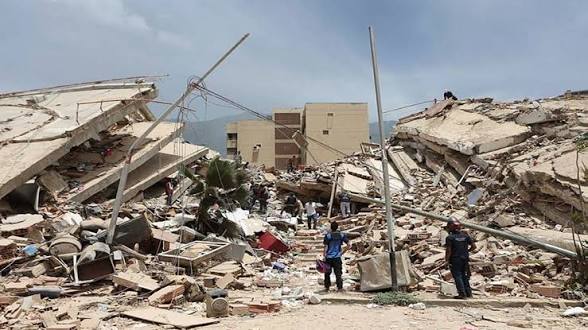
Two powerful earthquakes have plunged Venezuela into one of the worst natural disasters in the country’s modern history. Authorities and rescue organizations report that at least 920 people have died, while more than 51,000 remain missing following the catastrophic twin earthquakes that struck northern Venezuela. Search-and-rescue operations continue around the clock as emergency workers race against time to locate survivors trapped beneath collapsed buildings.
The devastating earthquakes caused widespread destruction across several regions, with neighborhoods reduced to rubble, roads rendered impassable, and essential infrastructure severely damaged. Hospitals are struggling to cope with thousands of injured residents, while emergency shelters have filled rapidly with displaced families.
Venezuela Earthquakes Leave Thousands Feared Trapped
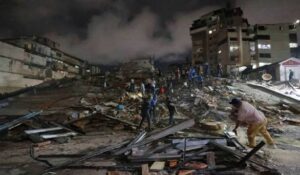
The earthquakes struck within seconds of one another, creating violent ground shaking that caused residential buildings, schools, hospitals, and commercial structures to collapse.
Emergency responders describe the disaster zone as one of overwhelming destruction. Entire communities remain without electricity, clean drinking water, or reliable communication networks.
Rescue teams from Venezuela and several international partners are working tirelessly to locate survivors before the critical rescue window closes. Heavy machinery, trained search dogs, drones, and thermal imaging equipment are being used to search through mountains of debris.
Death Toll Continues to Rise
Officials warn that the confirmed death toll may continue increasing as rescue operations reach previously inaccessible areas.
Current preliminary figures indicate:
- Confirmed deaths: 920
- Missing persons: More than 51,000
- Injured: More than 3,300
- Hundreds of buildings completely destroyed
- Thousands displaced from their homes
Authorities caution that these figures remain provisional and could change as emergency crews continue assessments.
Rescue Efforts Enter Critical Phase
Search-and-rescue teams have entered what experts describe as the most crucial period following a major earthquake.
International humanitarian organizations have begun delivering:
- Emergency medical supplies
- Food and drinking water
- Temporary shelters
- Search-and-rescue specialists
- Heavy rescue equipment
However, damaged roads, blocked highways, and communication outages continue to slow relief operations in several of the hardest-hit areas. Survivors have also reported shortages of food, water, and medical care as volunteers and international teams work to expand aid distribution.
The strongest damage has been reported in northern Venezuela, particularly in and around Caracas, La Guaira, and neighboring communities where thousands of residential and commercial buildings either collapsed or suffered severe structural damage. Entire neighborhoods have been reduced to rubble, leaving many families homeless overnight. Rescue workers continue searching damaged apartment complexes, schools, hospitals, and office buildings for survivors.
Major highways have been cracked or blocked by landslides, making it difficult for emergency vehicles to reach isolated communities. Several bridges have also sustained damage, forcing authorities to rely on helicopters and military aircraft to deliver emergency supplies.
Hospitals Overwhelmed by Thousands of Injured
Healthcare facilities across the affected region are under immense pressure. Doctors, nurses, and emergency personnel are working around the clock as thousands of injured people require urgent treatment.
Many hospitals have experienced power outages, while shortages of medical equipment, blood supplies, and essential medicines have complicated emergency care. Temporary field hospitals have been established to accommodate the growing number of patients.
Medical teams are treating victims for:
- Crush injuries
- Broken bones
- Head trauma
- Severe burns
- Dehydration
- Psychological trauma
Children and elderly residents remain among the most vulnerable survivors.
Humanitarian Crisis Deepens
Beyond the immediate destruction, the earthquakes have triggered a rapidly worsening humanitarian emergency.
Thousands of families have lost everything, including their homes, personal belongings, and access to clean drinking water. Emergency shelters are overcrowded, while food distribution centers are struggling to meet growing demand.
Relief agencies warn that prolonged shortages of clean water could increase the risk of disease outbreaks if sanitation systems are not restored quickly. Emergency generators are helping keep some critical facilities operational, but fuel shortages remain a concern.
International Aid Begins Arriving
Countries and humanitarian organizations around the world have pledged assistance as Venezuela confronts one of the most destructive disasters in its history.
Support includes:
- Urban search-and-rescue teams
- Medical personnel
- Emergency food supplies
- Temporary shelters
- Water purification systems
- Heavy rescue equipment
International organizations are coordinating closely with Venezuelan authorities to prioritize rescue operations and deliver life-saving assistance to the hardest-hit communities.
Aftershocks Continue to Threaten Survivors
Even as rescue efforts intensify, the danger has not passed. Multiple aftershocks have continued to shake the affected region, forcing rescue workers to temporarily halt operations several times due to the risk of additional building collapses.
Authorities have urged residents to avoid entering damaged structures until engineers declare them safe. Seismologists warn that aftershocks may continue for days or even weeks following major earthquakes.
Communities Show Extraordinary Resilience
Despite overwhelming devastation, local residents have demonstrated remarkable courage. Volunteers have joined professional rescue teams, using shovels, ropes, and even their bare hands to search for survivors trapped beneath collapsed buildings.
Community centers, schools, churches, and sports facilities have been transformed into emergency shelters, while citizens continue donating food, clothing, blankets, and medical supplies to support displaced families.
The determination shown by survivors and first responders has become a symbol of hope as Venezuela begins the long road to recovery.
How useful was this post?
Click on a star to rate it!
Average rating 0 / 5. Vote count: 0
No votes so far! Be the first to rate this post.
About the Author

usa5911.com
Administrator
Hi, I’m Gurdeep Singh, a professional content writer from India with over 3 years of experience in the field. I specialize in covering U.S. politics, delivering timely and engaging content tailored specifically for an American audience. Along with my dedicated team, we track and report on all the latest political trends, news, and in-depth analysis shaping the United States today. Our goal is to provide clear, factual, and compelling content that keeps readers informed and engaged with the ever-changing political landscape.