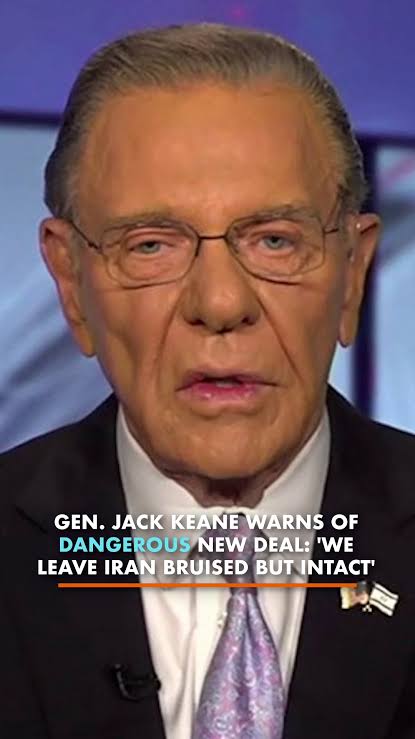
Rising tensions between the United States and Iran have once again captured international attention. Following recent military developments and ongoing concerns over regional security, retired four-star General Jack Keane has warned thant another Iranian attack could provoke a much stronger response from former President Donald Trump if he returns to office or influence over future policy.
General Keane’s remarks come amid growing fears that the fragile stability in the Middle East could deteriorate quickly if military confrontations continue. His comments have sparked debate among political analysts, military experts, and foreign policy observers about how the United States should respond to future Iranian aggression.
As diplomatic negotiations remain uncertain and regional conflicts continue, policymakers are evaluating possible scenarios that could shape U.S.-Iran relations in the coming months.
Why General Keane Issued the Warning
General Jack Keane has long been recognized as one of America’s leading military analysts. During numerous television appearances, he has argued that Iran often tests American resolve through proxy groups and limited military actions.
According to Keane, any future Iranian attack directly targeting U.S. personnel, military installations, or close allies could receive a far stronger military response than previous administrations have authorized.
His warning reflects a broader belief among many security experts that deterrence depends upon demonstrating both military capability and political willingness to respond decisively.
Background Behind Current U.S.-Iran Tensions
Relations between Washington and Tehran have remained tense for decades.
Several major issues continue fueling disagreements:
- Iran’s nuclear program
- Regional proxy militias
- Maritime security in the Persian Gulf
- Missile development
- Economic sanctions
- Support for armed groups across the Middle East
Each of these disputes increases the possibility of military escalation whenever new incidents occur.
Recent confrontations involving commercial shipping, regional militia attacks, and military deployments have further heightened concerns.
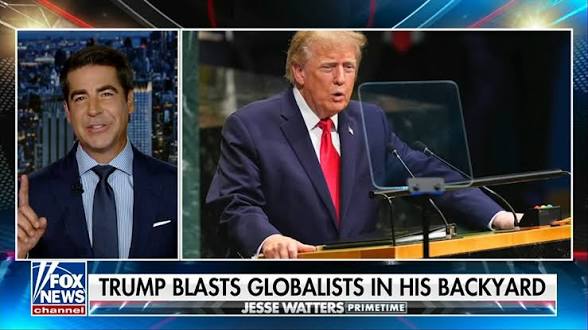
Trump’s Previous Iran Policy
Donald Trump adopted one of the toughest Iran policies in recent U.S. history.
His administration implemented:
- Maximum economic sanctions
- Withdrawal from the 2015 nuclear agreement
- Increased military presence
- Targeted operations against senior Iranian military leaders
- Expanded diplomatic pressure through regional allies
Supporters argued these measures strengthened deterrence.
Critics claimed they increased regional instability.
General Keane believes a future Trump administration would likely maintain a similarly firm posture.
Military Experts Discuss Possible Responses
Defense analysts suggest several possible responses if Iran were responsible for another significant attack.
Potential options include:
Expanded Economic Sanctions
Washington could introduce additional financial restrictions targeting Iran’s energy exports, banking system, and defense industries.
Precision Military Strikes
Limited military operations could target missile facilities, command centers, or infrastructure associated with Iranian military operations.
Cyber Operations
The United States possesses advanced cyber capabilities that could disrupt military communications and critical infrastructure without direct conventional warfare.
Increased Regional Deployments
Additional naval forces, missile defense systems, and aircraft could be positioned throughout the Middle East to strengthen deterrence.
Military planners generally prefer measured responses that avoid triggering a broader regional conflict.
Why Iran Remains a Strategic Challenge
Iran occupies a highly influential position within the Middle East.
Its geographic location provides access to important maritime routes, including the Strait of Hormuz.
A significant percentage of global oil shipments passes through this narrow waterway.
Any disruption could immediately affect:
- Global oil prices
- International shipping
- Energy markets
- Inflation worldwide
For this reason, many governments closely monitor developments involving Iran.
Regional Allies Continue Monitoring Events
Several U.S. allies remain concerned about increasing tensions.
These include:
- Israel
- Saudi Arabia
- United Arab Emirates
- Bahrain
- Jordan
These nations have strengthened intelligence cooperation while enhancing missile defense systems and military readiness.
Regional leaders continue emphasizing both deterrence and diplomacy.
Diplomatic Efforts Continue
Despite heightened rhetoric, diplomatic channels remain active.
International organizations continue encouraging negotiations aimed at preventing direct military confrontation.
Diplomatic priorities include:
- Preventing nuclear escalation
- Protecting maritime commerce
- Reducing proxy conflicts
- Expanding humanitarian cooperation
Although progress has been slow, diplomats argue that continued dialogue remains essential.
How Financial Markets React
Financial markets closely watch geopolitical developments involving Iran.
Major military incidents often cause:
- Rising crude oil prices
- Increased gold demand
- Stock market volatility
- Currency fluctuations
Investors generally seek safer assets during periods of international uncertainty.
Energy-importing countries may experience higher fuel costs if shipping routes become disrupted.
Political Debate Inside the United States
General Keane’s comments have fueled renewed debate among American policymakers.
Some lawmakers support maintaining maximum military deterrence.
Others argue diplomacy should remain the primary tool for preventing conflict.
The discussion reflects broader questions regarding:
- America’s role in the Middle East
- Military intervention
- National security priorities
- Long-term regional stability
These issues are expected to remain central topics throughout future political campaigns.
Potential Risks of Escalation
Security experts caution that even limited military exchanges carry significant risks.
Possible consequences include:
Regional Conflict
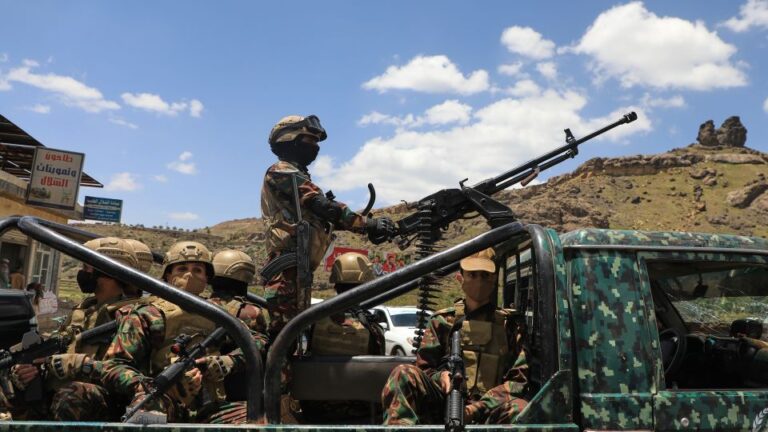
Proxy groups operating across Iraq, Syria, Lebanon, and Yemen could become involved.
Global Energy Disruptions
Attacks affecting shipping lanes may reduce energy supplies and increase prices.
Humanitarian Concerns
Military escalation often places civilian populations at greater risk.
Economic Uncertainty
Businesses and financial institutions typically react cautiously during geopolitical crises.
These risks reinforce the importance of balancing deterrence with diplomacy.
The Importance of Strategic Deterrence
Military analysts frequently emphasize deterrence as a cornerstone of national security.
Effective deterrence requires:
- Credible military capability
- Clear political messaging
- Strong alliances
- Consistent foreign policy
General Keane argues that demonstrating resolve can reduce the likelihood of future attacks.
However, deterrence must also avoid unintended escalation.
International Reactions
Governments around the world continue urging restraint.
European allies have emphasized the need for diplomacy while maintaining support for regional security.
Asian economies remain particularly concerned about uninterrupted energy supplies.
International organizations have encouraged all parties to avoid actions that could intensify hostilities.
Looking Ahead
Future developments will depend on several key factors:
- Iran’s military decisions
- U.S. foreign policy direction
- Diplomatic negotiations
- Regional security cooperation
- Global economic conditions
Analysts believe the coming months could prove critical in determining whether tensions stabilize or increase further.
Conclusion
General Keane’s warning that another Iranian attack could trigger a stronger Trump response highlights the ongoing challenges facing U.S. foreign policy in the Middle East.
Although military preparedness remains an important element of national security, diplomatic engagement continues to play a vital role in reducing the risk of broader conflict.
The international community will closely monitor future developments as leaders seek to balance deterrence, diplomacy, and regional stability.
Whether tensions ultimately ease or intensify will depend on decisions made by governments across the region and beyond.
Frequently Asked Questions (FAQs)
Who is General Jack Keane?
General Jack Keane is a retired four-star U.S. Army general and a well-known military analyst who frequently comments on national security and foreign policy.
Why did General Keane issue this warning?
He suggested that another significant Iranian attack could prompt a stronger U.S. response under a Trump-led foreign policy approach focused on deterrence.
Why are U.S.-Iran relations tense?
Major issues include Iran’s nuclear program, regional proxy groups, sanctions, maritime security, and broader geopolitical competition.
How could a conflict affect global markets?
Escalation could increase oil prices, disrupt shipping, create financial market volatility, and affect global inflation.
Is diplomacy still possible?
Yes. Despite ongoing tensions, diplomatic discussions continue through international partners seeking to reduce the risk of military conflict.
Could another attack trigger broader regional instability?
Many analysts believe additional attacks could increase tensions across the Middle East, making careful diplomatic and military decision-making especially important.
About the Author