Behind The Negotiations: Expert Claims Iran Is Demanding The US Hold Israel Back
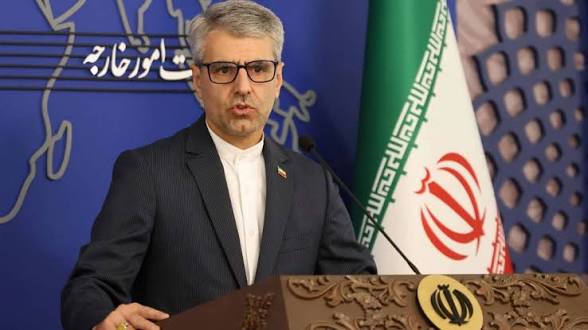
Diplomatic efforts between the United States and Iran have entered another critical phase, with regional stability hanging in the balance. According to recent reports and expert analysis, one of Iran’s primary demands during ongoing negotiations is that Washington must prevent Israel from expanding military operations before meaningful progress can be achieved.
The claim has reignited debates about America’s influence over Israel, Iran’s negotiating strategy, and the broader future of Middle East security. While officials continue to pursue diplomatic solutions, military tensions across the region remain high, making every round of negotiations increasingly significant. Recent reporting indicates that ceasefire efforts, nuclear issues, sanctions relief, and the Israel-Hezbollah conflict are all influencing the talks.
This article examines the expert’s claims, the current diplomatic landscape, the strategic interests of all parties involved, and what these developments could mean for international security.
Why Iran Wants the US to Restrain Israel
According to analysts following the negotiations, Tehran believes that meaningful diplomacy cannot succeed if Israel continues military operations against Iranian-backed groups or Iranian interests.
Experts argue that Iran views American influence over Israel as one of Washington’s strongest bargaining tools. If the United States can successfully encourage restraint, Iranian negotiators may become more willing to discuss broader issues including sanctions, nuclear restrictions, and regional security.
Several recent reports indicate that Iranian officials have repeatedly linked diplomatic progress to reducing regional military pressure.
The Broader Context Behind the Negotiations
The current negotiations extend far beyond nuclear enrichment.
Several major issues remain under discussion:
- Regional ceasefires
- Israel-Hezbollah tensions
- Sanctions relief
- Maritime security in the Strait of Hormuz
- Future economic cooperation
- Verification of nuclear commitments
Each issue affects the others, making negotiations exceptionally complicated.
Diplomats describe the process as one of the most difficult rounds of US-Iran discussions in years because military developments can quickly undermine diplomatic progress.
Experts Explain Iran’s Strategy
Foreign policy experts suggest Iran is attempting to reshape the negotiating environment before making significant concessions.
Rather than focusing exclusively on nuclear issues, Tehran appears to be seeking broader guarantees involving:
- Reduced military pressure
- Recognition of regional security concerns
- Protection against future attacks
- Gradual sanctions relief
Some analysts argue that Iran’s negotiating position reflects years of mistrust following previous diplomatic breakdowns and military confrontations. Others believe Tehran is trying to maximize leverage while Washington remains eager to stabilize the region.
Can Washington Actually Control Israel?
One of the biggest questions raised by the negotiations is how much influence the United States truly has over Israeli military decisions.
Although the United States remains Israel’s closest ally, Israeli leaders consistently emphasize that national security decisions are ultimately made independently.
This creates a difficult situation for American negotiators.
If Washington cannot guarantee Israeli restraint, Iran may question the value of diplomatic commitments.
If Washington pressures Israel too aggressively, domestic political criticism could intensify.
Balancing these competing interests remains one of the administration’s greatest diplomatic challenges.
Israel’s Security Perspective
Israeli officials have consistently argued that Iran’s nuclear ambitions and regional proxy network present serious security threats.
From Israel’s perspective, delaying military operations while negotiations continue could allow Iran or allied groups additional time to strengthen military capabilities.
Israeli leaders have repeatedly stated that they reserve the right to defend national security regardless of diplomatic discussions occurring elsewhere.
The American Balancing Act
For Washington, the negotiations require balancing multiple strategic priorities simultaneously.
These include:
- Supporting Israeli security
- Preventing regional war
- Protecting global energy markets
- Limiting nuclear proliferation
- Maintaining relationships with Gulf allies
- Preserving diplomatic credibility
Each objective sometimes conflicts with another, making compromise especially difficult.
The Nuclear Issue Still Dominates
Although headlines increasingly focus on military tensions, Iran’s nuclear program remains central to negotiations.
The United States continues to seek stronger limits on uranium enrichment and enhanced international monitoring, while Iran maintains that its nuclear activities are peaceful and insists on retaining certain enrichment rights. These longstanding disagreements remain among the biggest obstacles to a comprehensive agreement.
Regional Stability Remains Fragile
The Middle East continues experiencing overlapping security crises.
Current concerns include:
- Lebanon
- Syria
- Iraq
- Gaza
- The Strait of Hormuz
- Red Sea shipping
Any military escalation in one location could rapidly influence negotiations taking place elsewhere.
Diplomatic experts frequently describe these conflicts as interconnected rather than isolated.
Economic Stakes Are Enormous
Successful negotiations could significantly influence global markets.
Potential outcomes include:
- Lower oil price volatility
- Increased international trade
- Reduced shipping risks
- Expanded investment opportunities
- Greater regional economic stability
Conversely, failed negotiations could increase uncertainty for energy markets and international commerce.
How useful was this post?
Click on a star to rate it!
Average rating 0 / 5. Vote count: 0
No votes so far! Be the first to rate this post.
About the Author

usa5911.com
Administrator
Hi, I’m Gurdeep Singh, a professional content writer from India with over 3 years of experience in the field. I specialize in covering U.S. politics, delivering timely and engaging content tailored specifically for an American audience. Along with my dedicated team, we track and report on all the latest political trends, news, and in-depth analysis shaping the United States today. Our goal is to provide clear, factual, and compelling content that keeps readers informed and engaged with the ever-changing political landscape.