Middle East On Edge: Iran Vows Response After Israel Hits Hezbollah Targets
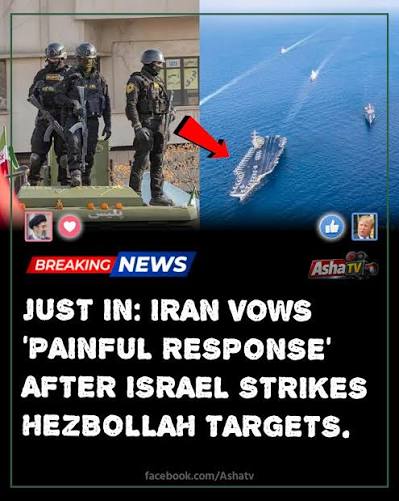
The Middle East is once again facing a dangerous moment as tensions between Israel, Hezbollah, and Iran continue to escalate. Fresh Israeli airstrikes targeting Hezbollah positions in Beirut’s southern suburbs have prompted a strong reaction from Tehran, with Iranian officials promising that the attacks will not go unanswered. The latest developments have heightened concerns that the conflict could expand beyond Lebanon and Israel, potentially drawing more regional actors into an already volatile situation.
The strikes came after Hezbollah launched projectiles toward northern Israel, prompting Israeli forces to carry out what they described as precision attacks against Hezbollah military infrastructure. Israeli officials argued that the operation was necessary to defend Israeli citizens and respond to violations of the fragile ceasefire along the northern border.
Iran, a longtime supporter of Hezbollah, reacted swiftly. Senior Iranian officials condemned the Israeli operation and questioned ongoing diplomatic efforts involving Washington and Tehran. Iranian leaders warned that continued attacks on Hezbollah could undermine broader regional negotiations and trigger further retaliation.
As diplomatic efforts continue behind closed doors, military activity on the ground threatens to derail hopes for de-escalation. Governments around the world are closely monitoring the rapidly changing situation, fearing that another major conflict could have serious consequences for regional security, energy markets, and global diplomacy.
Israel Launches New Strikes Against Hezbollah
Israel’s military announced that it carried out targeted strikes against Hezbollah positions located in Beirut’s southern suburbs, an area widely regarded as one of Hezbollah’s primary strongholds. According to Israeli officials, the operation was launched after Hezbollah fired multiple projectiles toward northern Israel, an action Israel described as a direct violation of existing ceasefire understandings.
The Israeli Defense Forces stated that the targeted locations included facilities allegedly used for command and operational planning. Military officials emphasized that the strikes focused on Hezbollah infrastructure rather than civilian areas, although local reports indicated casualties and damage within the densely populated district.
Israeli leaders have repeatedly maintained that they will continue military operations whenever they believe Hezbollah poses an immediate threat to Israeli territory. Officials argue that preventing Hezbollah from rebuilding military capabilities remains a top national security priority.
The latest operation also reflects Israel’s broader strategy of maintaining pressure on Iran-backed armed groups operating across the region. Analysts note that Israeli decision-makers increasingly view Hezbollah’s activities as part of a wider regional security challenge involving Iranian influence throughout the Middle East.
Hezbollah Responds As Border Tensions Intensify
Following the Israeli strikes, Hezbollah continued its military response by launching missiles and drones toward Israeli military positions near the Lebanese border. The exchange represents another escalation in months of cross-border fighting that has repeatedly threatened to expand into a larger regional war.
Since the current phase of hostilities began, both Israel and Hezbollah have exchanged regular attacks despite multiple international attempts to restore calm. Communities on both sides of the border have experienced repeated evacuations, security alerts, and disruptions to daily life.
Military analysts believe Hezbollah remains determined to demonstrate that it retains operational capabilities despite sustained Israeli military pressure. At the same time, Israel insists it will continue responding forcefully to any attacks originating from Lebanese territory.
This cycle of retaliation has complicated diplomatic efforts aimed at restoring long-term stability. International mediators continue urging restraint, but each new military exchange increases the possibility of wider conflict.
Iran Vows A Strong Response
Iran wasted little time condemning Israel’s latest military action. Iranian officials accused Israel of deliberately escalating tensions at a critical diplomatic moment and warned that Tehran would respond appropriately if attacks against Hezbollah continued.
Iranian leaders have consistently described Hezbollah as an important regional ally and have repeatedly argued that Israeli military operations threaten overall Middle East stability. Officials in Tehran also questioned whether ongoing diplomatic negotiations can succeed while military operations continue in Lebanon.
Public statements from Iranian officials suggested that Israel’s actions could seriously undermine confidence in current peace efforts. Some officials argued that any broader agreement involving Iran would require meaningful reductions in military activity across the region, including Lebanon.
While Tehran has not publicly outlined what form its response might take, regional security experts believe Iranian policymakers are weighing several options. These could include increased diplomatic pressure, additional support for regional allies, or other measures intended to deter further Israeli military action.
The uncertainty surrounding Iran’s next move has significantly increased regional anxiety. Governments across the Middle East continue assessing the potential consequences of any further escalation, especially given the interconnected nature of current regional conflicts.
How useful was this post?
Click on a star to rate it!
Average rating 0 / 5. Vote count: 0
No votes so far! Be the first to rate this post.
About the Author

usa5911.com
Administrator
Hi, I’m Gurdeep Singh, a professional content writer from India with over 3 years of experience in the field. I specialize in covering U.S. politics, delivering timely and engaging content tailored specifically for an American audience. Along with my dedicated team, we track and report on all the latest political trends, news, and in-depth analysis shaping the United States today. Our goal is to provide clear, factual, and compelling content that keeps readers informed and engaged with the ever-changing political landscape.