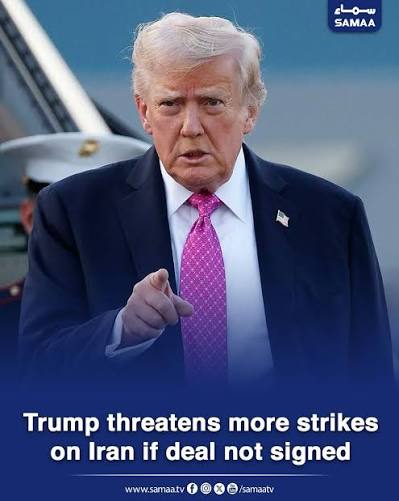
The crisis between the United States and Iran has entered a dangerous new phase as President Donald Trump signaled that larger military actions could be on the horizon. Amid renewed strikes, threats of additional bombings, and increasing pressure on Tehran, the Middle East is once again facing the prospect of a broader regional conflict.
Recent comments from Trump have intensified global concerns after he suggested that more powerful military actions could be used if Iran fails to meet U.S. demands. The remarks come as both nations exchange strikes and diplomatic efforts struggle to produce a lasting breakthrough. While officials continue discussing possible agreements behind closed doors, military activity on the ground suggests tensions remain extremely high.
The latest developments have drawn attention from governments, investors, energy markets, and security experts worldwide. With the Strait of Hormuz remaining a focal point of concern and Iran’s strategic infrastructure under scrutiny, the consequences of further escalation could extend far beyond the Middle East.
Why The Latest Trump Comments Matter
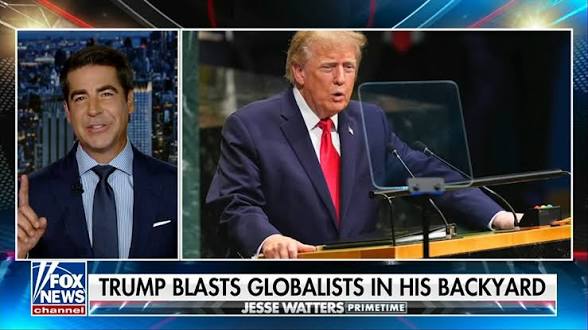
Trump’s recent statements indicate growing frustration with stalled negotiations. Reports suggest the president warned that larger bombings could be considered if diplomatic efforts continue to fail. At the same time, he has publicly discussed Iran’s critical energy infrastructure, including Kharg Island, one of the country’s most important oil export hubs.
Such comments represent more than political rhetoric. They signal a willingness to increase military pressure in pursuit of strategic objectives. Analysts believe these statements are intended to strengthen Washington’s negotiating position while demonstrating that military options remain available.
The administration argues that increased pressure is necessary to force concessions from Tehran. Critics, however, warn that threats of expanded bombing campaigns could make negotiations even more difficult.
A Conflict That Continues To Intensify
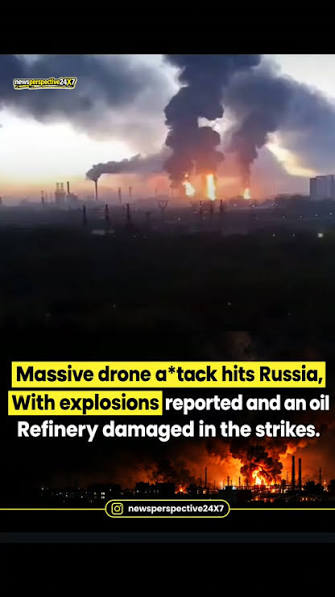
The current crisis has evolved rapidly over recent weeks. U.S. and Iranian forces have exchanged strikes, and military officials have acknowledged the possibility of additional operations if tensions continue to rise. Reports indicate that American military assets remain on heightened alert throughout the region.
The escalation follows months of fragile diplomacy. While both sides have occasionally expressed optimism regarding a possible agreement, repeated incidents have undermined confidence in the peace process. Each new exchange of fire increases the risk of miscalculation.
Security experts note that conflicts often become harder to control once military actions intensify. Even limited strikes can trigger responses that rapidly expand beyond their original scope.
The Strategic Importance Of Kharg Island
One of the most significant aspects of Trump’s recent remarks involved Kharg Island. The island serves as a vital hub for Iran’s oil exports and plays a central role in the country’s economy. Any military action involving such infrastructure would have major economic and geopolitical consequences.
Kharg Island has long been viewed as a strategic asset. Because a substantial portion of Iran’s oil exports pass through facilities located there, disruptions could affect global energy supplies.
Energy analysts warn that attacks on critical oil infrastructure often create uncertainty in international markets. Investors closely monitor developments involving energy-producing regions because disruptions can quickly influence oil prices worldwide.
Military Pressure Versus Diplomacy
A key question surrounding the crisis is whether military pressure will help achieve diplomatic objectives or push both sides further apart.
Supporters of a tougher approach argue that economic sanctions, military deployments, and targeted strikes create leverage during negotiations. They believe Iran may eventually agree to terms it would otherwise reject.
Others argue that excessive military pressure can reduce incentives for compromise. If leaders perceive negotiations as occurring under threat, they may become less willing to make concessions.
Recent reports indicate that both military action and diplomatic discussions have been occurring simultaneously. This dual-track strategy reflects the complexity of the current situation.
The Strait Of Hormuz Remains A Global Concern
The Strait of Hormuz remains one of the most strategically important waterways in the world. A significant portion of global oil shipments travels through this narrow passage connecting the Persian Gulf to international markets.
Recent tensions have renewed concerns about possible disruptions. Any interruption to shipping activity could have immediate consequences for energy markets and global trade.
Market participants continue monitoring developments closely. Historically, geopolitical instability in the region has contributed to oil price volatility and increased uncertainty across financial markets.
Regional Allies Watch Closely
The growing confrontation is not occurring in isolation. Several regional countries have significant security and economic interests tied to the outcome.
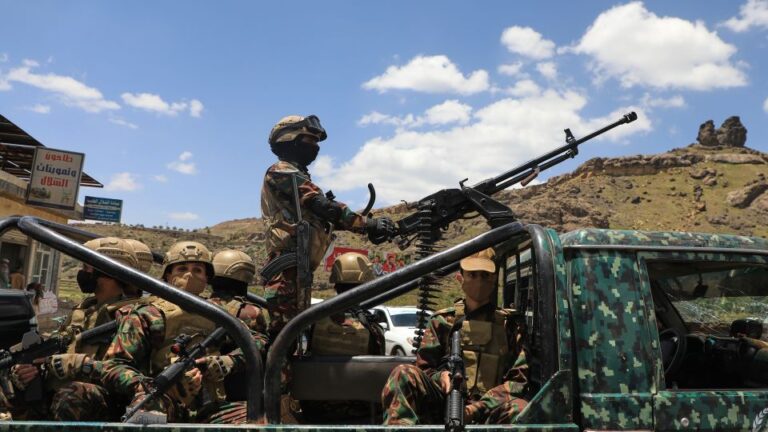
Nations throughout the Gulf region continue coordinating with international partners while preparing for potential scenarios. Increased military activity raises concerns about regional stability and the possibility of broader involvement by neighboring countries.
At the same time, diplomatic efforts involving multiple international actors remain underway. Several governments have reportedly encouraged continued negotiations in hopes of preventing a larger conflict.
Economic Consequences Of Escalation
Beyond military considerations, the economic implications of further escalation are substantial.
Global energy markets are particularly sensitive to developments involving Iran. The country possesses significant oil and natural gas resources, making it an important player in international energy supply chains.
Increased tensions can contribute to:
- Higher oil prices
- Market volatility
- Increased transportation costs
- Supply chain disruptions
- Reduced investor confidence
Businesses and governments alike are monitoring the situation to assess potential economic risks.
The Role Of Military Deterrence
Military deterrence remains central to U.S. strategy. By maintaining a strong regional presence and demonstrating readiness to act, American officials aim to discourage hostile actions while preserving negotiating leverage.
Deterrence, however, carries inherent risks. Actions intended to prevent escalation can sometimes contribute to it if they are interpreted as preparation for broader military operations.
This delicate balance has characterized many previous U.S.-Iran confrontations. Policymakers must weigh the benefits of pressure against the possibility of unintended consequences.
Could A Larger Conflict Emerge?
Many observers are asking whether the current crisis could evolve into a larger regional war.
While neither side appears eager for a full-scale conflict, repeated exchanges increase uncertainty. Military analysts often note that conflicts can expand gradually through a series of retaliatory actions.
Several factors could influence future developments:
- Success or failure of diplomatic talks
- Additional military incidents
- Regional security concerns
- Economic pressures
- Domestic political considerations
The coming weeks may prove critical in determining whether tensions decrease or continue escalating.
Trump’s Balancing Act
Trump faces a complex challenge. On one hand, he has repeatedly emphasized strength and deterrence. On the other, he has also suggested that a negotiated agreement remains preferable to prolonged military action.
Recent reports indicate that planned strikes were at one point canceled amid renewed discussions with Iranian leadership. This demonstrates the fluid nature of the situation and the ongoing interaction between military planning and diplomacy.
Observers note that maintaining credibility while avoiding uncontrolled escalation is a difficult balancing act for any administration.
What Happens Next?
The future of the crisis remains uncertain.
Several possible outcomes exist:
1. Diplomatic Breakthrough
Negotiators could reach an agreement that reduces tensions and limits further military action.
2. Continued Limited Strikes
Both sides could continue exchanging targeted attacks while avoiding a broader war.
3. Expanded Military Campaign
If negotiations collapse entirely, larger military operations could become more likely.
4. Regional Escalation
Additional actors could become involved, increasing the scope and complexity of the conflict.
At present, analysts believe all four scenarios remain possible.
Conclusion
The latest Iran escalation represents one of the most significant geopolitical challenges facing the international community. Trump’s warning that bigger bombings could lie ahead has intensified concerns about the future direction of the conflict. While diplomatic channels remain open, military pressure continues to grow.
The coming days and weeks will likely determine whether negotiations can produce a breakthrough or whether the region moves closer to a broader confrontation. With energy markets, international security, and regional stability all at stake, the world is watching developments closely.
As military pressure intensifies and diplomatic efforts continue, one reality remains clear: decisions made now could shape the future of the Middle East for years to come.
About the Author