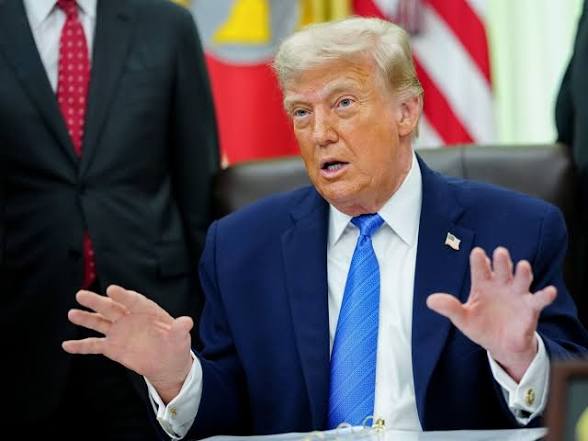
The standoff between the United States and Iran has entered a dangerous new phase as President Donald Trump signals growing frustration with Tehran over stalled negotiations. After months of diplomatic efforts, backchannel discussions, and repeated warnings, Trump has adopted increasingly aggressive rhetoric, raising fears that the conflict could escalate into a broader regional confrontation.
Recent statements from the White House and military developments across the Middle East suggest that Washington’s patience is wearing thin. Trump has repeatedly accused Iran of delaying negotiations, refusing to make meaningful concessions, and attempting to gain leverage through prolonged talks. At the same time, Iran insists that sanctions relief, access to frozen assets, and security guarantees remain essential components of any agreement.
The growing tension has rattled global energy markets, raised concerns among U.S. allies, and reignited debate over whether diplomacy can still prevent another major conflict in the Middle East.
Why Trump Says He Is “Fed Up” With Iran
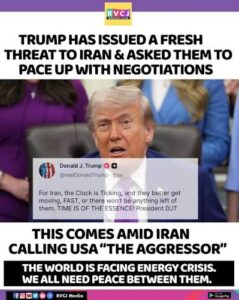
The latest escalation stems from what Trump views as Iran’s continued refusal to finalize a negotiated settlement. According to multiple reports, U.S. officials have spent weeks working through mediators to bridge gaps between Washington and Tehran. However, significant disagreements remain unresolved.
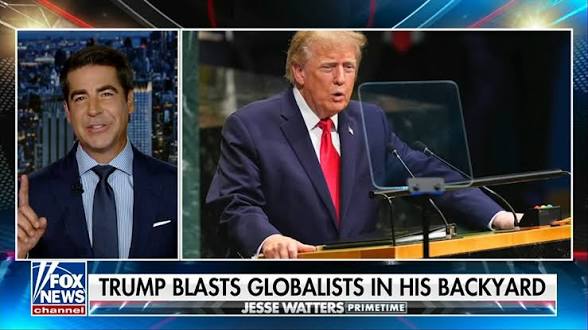
Trump recently stated that Iran has “taken too long to negotiate” and warned that the country would “pay the price” if it continues delaying a deal. The remarks marked one of his strongest public criticisms of Tehran in recent months and signaled a potential shift away from diplomacy toward increased military pressure.
Administration officials reportedly believe that Iran is using negotiations as a strategy to buy time while maintaining leverage in regional disputes. Meanwhile, Iranian leaders argue that the United States has failed to demonstrate sufficient trust by keeping sanctions in place and refusing to release frozen Iranian funds.
Negotiations Reach a Critical Deadlock
Although negotiations have continued through international mediators, progress has been slow. Several key issues remain unresolved.
Frozen Iranian Assets
One of Tehran’s primary demands is access to billions of dollars in frozen funds held abroad. Iranian officials view the release of these assets as a test of Washington’s commitment to any future agreement. U.S. negotiators, however, have reportedly favored a phased approach tied to specific Iranian actions.
Nuclear Program Concerns
The United States continues to insist on strict limitations regarding Iran’s nuclear activities. Washington has pressed Tehran to reduce or surrender portions of its enriched uranium stockpile and accept stronger monitoring measures. Iran maintains that its nuclear activities are peaceful and argues that it has the right to pursue civilian nuclear development.
Regional Security Issues
Negotiators are also struggling to address broader regional concerns, including military activity in neighboring countries, maritime security, and tensions involving Iranian-backed groups throughout the Middle East. These disputes have complicated efforts to reach a comprehensive agreement.
Military Pressure Intensifies
As negotiations have stalled, military activity in the region has increased dramatically.
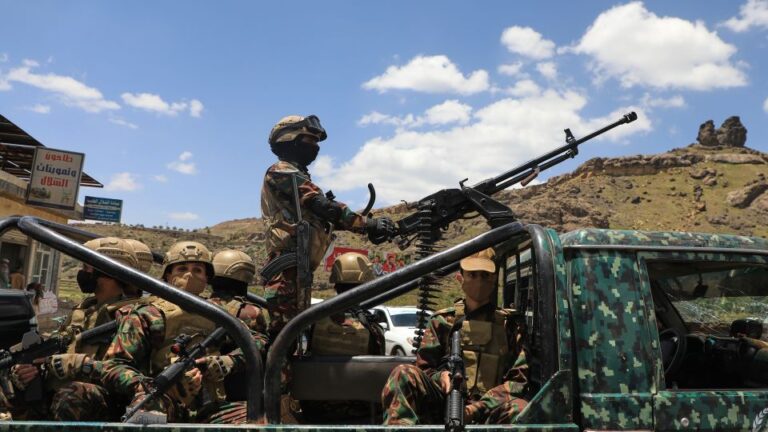
The United States recently conducted strikes against Iranian-linked targets following a series of confrontations involving American forces and regional allies. U.S. officials described the operations as defensive measures intended to deter future attacks and strengthen America’s negotiating position.
Trump has repeatedly warned that additional military action remains on the table. In some of his most forceful comments, he threatened that Iran would be hit “very hard” if negotiations continue to stall. Reports indicate that the administration has considered further strikes against strategic Iranian infrastructure if diplomacy fails.
The escalating rhetoric has fueled concerns among diplomats and military analysts who fear that miscalculations could trigger a wider conflict.
The Strait of Hormuz Crisis
A major factor driving international concern is the strategic importance of the Strait of Hormuz.
The narrow waterway serves as one of the world’s most critical energy corridors, carrying a significant share of global oil and natural gas shipments. Recent threats by Iran to restrict or block traffic through the strait have alarmed energy markets and governments around the world.
Iran has warned that continued pressure from Washington could lead to stronger measures affecting maritime traffic. Although commercial shipping continues to pass through the region, the possibility of disruptions has already contributed to increased market volatility.
For the United States and its allies, maintaining freedom of navigation through the Strait of Hormuz remains a top strategic priority.
Oil Markets React to Rising Tensions
Global oil prices have responded sharply to the deteriorating situation.
Investors fear that any interruption to energy exports from the Gulf region could reduce supplies and drive prices significantly higher. Recent reports indicate that crude oil prices climbed as traders reacted to growing concerns about military escalation and potential disruptions to shipping routes.
Energy analysts note that prolonged instability in the region could have consequences far beyond the Middle East. Higher energy costs can contribute to inflation, increase transportation expenses, and place additional pressure on economies already facing uncertainty.
The economic stakes help explain why many governments continue urging both Washington and Tehran to pursue diplomacy despite mounting tensions.
Trump’s Balancing Act
While Trump’s public comments have become increasingly aggressive, his broader strategy appears more complex.
In recent weeks, the president has alternated between threatening military action and expressing optimism that a deal remains possible. Earlier reports indicated that Trump delayed certain military operations to allow negotiations additional time. He has also encouraged regional partners to support diplomatic efforts.
This dual-track approach reflects a longstanding element of Trump’s foreign policy style: combining economic and military pressure with negotiations designed to achieve favorable terms.
Supporters argue that such pressure is necessary to force concessions from Iran. Critics contend that repeated threats increase the risk of accidental escalation and make productive diplomacy more difficult.
Iran’s Perspective
From Tehran’s viewpoint, the situation looks very different.
Iranian officials argue that Washington has failed to meet key commitments and continues to rely on threats rather than mutual compromise. Leaders in Tehran maintain that sanctions relief and access to frozen assets are essential before any lasting agreement can be finalized.
Iran also believes that external pressure has not weakened its negotiating position. Instead, officials argue that patience and persistence will ultimately produce better terms.
This difference in negotiating philosophy has become one of the biggest obstacles to progress. While Washington seeks rapid movement toward a final agreement, Tehran appears willing to engage in lengthy bargaining processes.
International Reactions
The international community is watching developments closely.
European governments have repeatedly called for restraint and renewed diplomacy. Gulf states remain concerned about regional stability and the economic consequences of conflict. Meanwhile, global financial markets continue to react to every major announcement from Washington and Tehran.
Diplomatic mediators, including regional partners, continue efforts to keep communication channels open. Reports suggest that negotiations have not completely collapsed despite the increasingly hostile rhetoric.
Many observers believe that a negotiated settlement remains possible, but only if both sides are willing to compromise on several contentious issues.
What Happens Next?
The coming weeks could prove decisive.
Several scenarios remain possible:
1. Negotiations Resume Successfully
Diplomatic mediators could help bridge remaining differences, leading to a framework agreement that reduces tensions and prevents further military escalation.
2. Continued Stalemate
Talks may continue without significant progress, creating a prolonged period of uncertainty marked by periodic confrontations and heightened rhetoric.
3. Limited Military Escalation
Additional targeted strikes could occur if either side seeks to increase pressure without triggering a full-scale war.
4. Broader Regional Conflict
The most concerning scenario involves a wider military confrontation that affects shipping routes, regional allies, and global energy supplies.
At present, analysts view the first two outcomes as the most likely, though risks remain elevated.
Conclusion
Trump’s growing frustration with Iran reflects the broader challenges facing U.S.-Iran relations. Despite months of negotiations, critical disagreements over sanctions relief, nuclear restrictions, frozen assets, and regional security continue to prevent a breakthrough.
As military pressure increases and diplomatic progress remains elusive, the stakes are rising for both countries and the international community. Oil markets, regional allies, and global policymakers are all watching closely for signs of either compromise or confrontation.
Whether Trump can convert pressure into a lasting agreement remains uncertain. What is clear, however, is that the next phase of negotiations may determine whether diplomacy prevails or whether the crisis enters an even more dangerous chapter.
FAQs
Why is Trump frustrated with Iran?
Trump believes Iran has delayed negotiations for too long and has failed to make sufficient progress toward a final agreement.
What are the main issues blocking a deal?
Key disputes include sanctions relief, frozen Iranian assets, nuclear restrictions, and regional security concerns.
Has the United States threatened military action?
Yes. Trump has publicly warned that further military strikes remain possible if negotiations continue to stall.
Why is the Strait of Hormuz important?
The Strait of Hormuz is one of the world’s most important energy shipping routes and carries a significant share of global oil exports.
Could a diplomatic solution still be reached?
Yes. Despite rising tensions, negotiations and mediation efforts continue, and many analysts believe a deal remains possible.
About the Author