Apache Downing Sparks Fury: Army Veteran Says Attack Was ‘Disrespectful’ To Trump
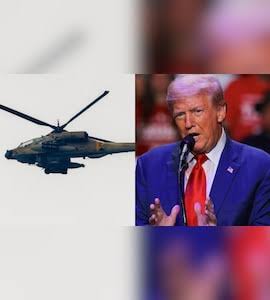
The downing of a U.S. Army Apache helicopter near the Strait of Hormuz has ignited fierce debate across military and political circles, with one Army veteran describing the incident as “disrespectful” to President Donald Trump and the United States. The dramatic event, which reportedly involved an Iranian drone striking an AH-64 Apache attack helicopter, has become one of the most significant flashpoints in the escalating confrontation between Washington and Tehran.
While both crew members survived and were successfully rescued, the incident has fueled renewed discussions about deterrence, military readiness, and the future of U.S.-Iran relations. President Trump quickly vowed that the United States would respond, and U.S. Central Command subsequently launched what officials described as “proportional” strikes against Iranian military assets.
As reactions continue to pour in from military veterans, lawmakers, and foreign policy experts, the Apache helicopter incident has become a symbol of broader geopolitical tensions in one of the world’s most strategically important waterways.
What Happened Near the Strait of Hormuz?
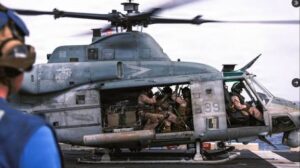
According to multiple reports, a U.S. Army AH-64 Apache helicopter operating near the Strait of Hormuz went down after being struck by what U.S. officials later identified as an Iranian drone. President Trump stated that Iran was responsible for the attack and emphasized that America “must respond.”
The Strait of Hormuz remains one of the most critical maritime chokepoints in the world, handling a substantial portion of global oil shipments. Any military incident in the region immediately draws international attention due to its potential impact on energy markets and regional security.
Initial investigations suggested that an Iranian drone collided with or struck the helicopter during patrol operations. Although questions remain regarding intent, U.S. officials characterized the incident as unjustified aggression.
Army Veteran Calls Attack ‘Disrespectful’
The reaction from military veterans has been swift and emotional.
Several former service members have argued that targeting an American military aircraft sends a direct message not only to the armed forces but also to the Commander-in-Chief. One Army veteran reportedly characterized the attack as “disrespectful” to President Trump, suggesting that adversaries may view such actions as a challenge to American resolve.
For many veterans, the issue extends beyond politics. They see attacks on U.S. military personnel and equipment as tests of national credibility. The argument is that failing to respond could embolden hostile actors and encourage future provocations.
Supporters of this viewpoint contend that America must demonstrate strength when its military assets are targeted. Critics, however, warn against allowing emotions to drive foreign policy decisions, especially in a region already on the brink of wider conflict.
Trump’s Immediate Response
President Trump wasted little time responding publicly.
In statements following the incident, Trump confirmed that both pilots survived and said the United States would be compelled to answer the attack. He later approved military operations described as defensive and proportional.
Trump’s position reflects a broader strategy that has characterized much of his approach to national security: responding forcefully to perceived aggression while attempting to avoid prolonged military entanglements.
The president reportedly emphasized that the helicopter attack could not go unanswered, arguing that America must protect its service members and maintain deterrence against future threats.
The Dramatic Rescue Operation
One of the most remarkable aspects of the incident was the rescue mission that followed.
After the Apache went down, the two crew members were recovered using an autonomous sea drone in what officials described as a first-of-its-kind military rescue operation. The unmanned vessel transported the soldiers to safety before they were extracted by another aircraft.
Military analysts have pointed to the rescue as a demonstration of how emerging technologies are transforming battlefield operations.
The successful recovery of both pilots prevented what could have been an even more serious crisis and showcased new capabilities within the U.S. military.
Why the Apache Helicopter Matters
The AH-64 Apache is among the most advanced attack helicopters in the world.
Designed for close air support, anti-armor operations, and reconnaissance missions, the aircraft has played a central role in numerous military campaigns. Its advanced targeting systems, weaponry, and survivability features make it one of the most respected platforms in modern warfare.
Because of its reputation and capabilities, any successful attack against an Apache attracts significant attention.
Military experts note that while advanced helicopters possess extensive defensive systems, no aircraft is invulnerable—particularly in increasingly crowded battlespaces where drones have become a growing threat.
The incident highlights the changing nature of warfare, where relatively inexpensive unmanned systems can challenge sophisticated military hardware.
U.S. Retaliatory Strikes Begin
Following the helicopter downing, U.S. Central Command launched military strikes against Iranian targets.
Officials described the operation as a proportional response aimed at military infrastructure, radar installations, and air-defense systems. The administration stressed that the strikes were intended as self-defense measures rather than an effort to expand the conflict.
The retaliatory action underscored Washington’s determination to maintain freedom of navigation and protect American forces operating in the region.
However, the strikes also raised concerns among international observers who fear the possibility of a broader regional war.
Iran’s Position
Iranian officials have offered a different interpretation of events.
According to various reports, Tehran suggested that the helicopter’s downing may not have been intentional and criticized the presence of foreign military forces near Iranian territory. Iranian leaders have simultaneously emphasized their willingness to pursue diplomacy while warning that they remain prepared to defend national interests.
This divergence in narratives illustrates the complexity of the situation.
While Washington views the incident as aggression requiring a response, Tehran portrays it within the context of broader regional tensions and military activity near its borders.
Growing Concerns About Escalation
The Apache incident occurred during a period of already heightened tensions.
Analysts warn that even limited military exchanges can spiral into larger confrontations when both sides feel compelled to demonstrate resolve.
Recent reports indicate that subsequent missile and drone activity across the region has increased concerns among neighboring countries, many of which fear becoming caught in a wider conflict.
The international community has repeatedly called for restraint, emphasizing the importance of diplomatic channels.
Military Veterans Weigh In
Veterans remain divided over the appropriate response.
Some believe the United States must react decisively to preserve deterrence and protect military personnel.
Others argue that proportionality and strategic patience are essential to avoid unnecessary escalation.
The “disrespectful” characterization reflects a broader sentiment among some former service members who believe attacks on American forces challenge national prestige and leadership.
Meanwhile, more cautious voices stress that military actions should be guided by long-term strategic interests rather than emotional reactions.
The Strategic Importance of the Strait of Hormuz
Understanding the significance of the incident requires appreciating the importance of the Strait of Hormuz.
The narrow waterway serves as a vital corridor connecting the Persian Gulf to international markets. A substantial share of the world’s oil exports passes through the strait.
As a result, military confrontations in the area often have global consequences.
Energy prices, shipping routes, insurance costs, and international trade can all be affected by instability in the region.
The Apache helicopter incident therefore carries implications far beyond the immediate military confrontation.
What Happens Next?
Several key questions remain unanswered:
Will the United States conduct additional military operations?
How will Iran respond to recent strikes?
Can diplomatic efforts prevent further escalation?
Will regional partners become more directly involved?
These questions are likely to shape international headlines in the coming weeks.
While both Washington and Tehran have indicated interest in avoiding a full-scale war, the risk of miscalculation remains significant.
Political Impact in the United States
The incident has also generated political debate at home.
Supporters of President Trump argue that a strong response is necessary to defend American interests and deter future attacks.
Critics question whether military escalation could undermine diplomatic opportunities and increase the risk of a prolonged conflict.
As the 2026 political landscape continues to evolve, foreign policy decisions related to Iran are likely to remain a major topic of discussion.
Conclusion
The downing of a U.S. Army Apache helicopter near the Strait of Hormuz has become a defining moment in the latest chapter of U.S.-Iran tensions. With an Army veteran describing the attack as “disrespectful” to President Trump and America, the incident has sparked passionate reactions across the political and military spectrum.
The successful rescue of the helicopter crew prevented a tragedy, but the broader implications remain serious. Retaliatory strikes, competing narratives, and fears of regional escalation have transformed a single military incident into a major international story.
As policymakers, military leaders, and diplomats navigate the aftermath, the world will be watching closely to see whether this confrontation leads to renewed diplomacy—or a more dangerous phase of conflict.
FAQs
What happened to the Apache helicopter near the Strait of Hormuz?
The helicopter reportedly went down after being struck by an Iranian drone during patrol operations. Both crew members survived and were rescued.
Why did an Army veteran call the attack “disrespectful” to Trump?
The veteran argued that targeting a U.S. military aircraft challenges American leadership and national credibility, making it a symbolic affront to the Commander-in-Chief.
Did the United States respond militarily?
Yes. U.S. Central Command launched strikes against Iranian military targets, describing them as a proportional response to the helicopter downing.
Were the Apache helicopter pilots injured?
Reports indicate that both crew members survived and were rescued safely.
Why is the Strait of Hormuz important?
The Strait of Hormuz is a crucial global shipping route through which a large portion of the world’s oil exports pass, making regional stability extremely important.
Could the incident lead to a wider conflict?
Analysts warn that escalation remains possible, though both sides have indicated they do not seek a full-scale war.
How useful was this post?
Click on a star to rate it!
Average rating 0 / 5. Vote count: 0
No votes so far! Be the first to rate this post.
About the Author

usa5911.com
Administrator
Hi, I’m Gurdeep Singh, a professional content writer from India with over 3 years of experience in the field. I specialize in covering U.S. politics, delivering timely and engaging content tailored specifically for an American audience. Along with my dedicated team, we track and report on all the latest political trends, news, and in-depth analysis shaping the United States today. Our goal is to provide clear, factual, and compelling content that keeps readers informed and engaged with the ever-changing political landscape.