Iran ‘Will Pay The Price’: Trump Escalates Threats As New Strikes Loom
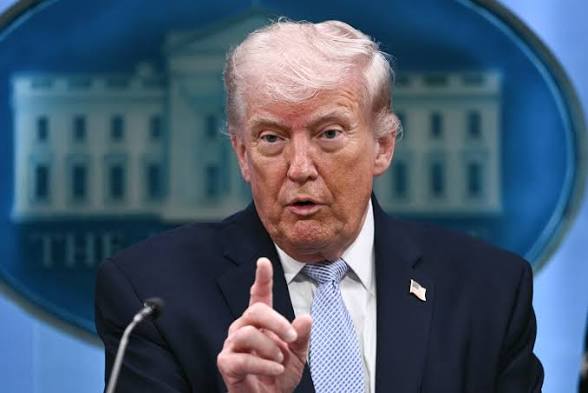
The conflict between the United States and Iran entered a dangerous new phase on June 10, 2026, after President Donald Trump issued one of his strongest warnings yet against Tehran. Declaring that Iran had “taken too long to negotiate,” Trump said the country would now “pay the price,” fueling speculation that additional U.S. military strikes could be imminent.
The remarks came amid renewed military exchanges in the Gulf region and growing concerns that diplomatic efforts aimed at preventing a broader conflict are rapidly unraveling. With reports of retaliatory attacks, rising military activity, and warnings from international observers, fears of a larger regional war are once again dominating global headlines.
Trump Delivers Stark Warning To Iran
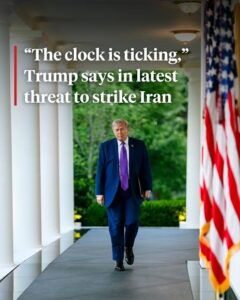
President Trump’s latest comments marked a dramatic shift from his recent optimism regarding negotiations with Iran. Only days earlier, officials had suggested that diplomatic channels remained active and that a potential agreement could still be reached.
However, Trump’s tone changed sharply after fresh hostilities erupted in the region. Posting on social media, he accused Iran of delaying negotiations and warned that Tehran would face severe consequences.
According to multiple reports, Trump stated:
“They’ve taken too long to negotiate a deal that would have been great for them, now they will have to pay the price.”
The statement immediately drew international attention because it appeared to signal a willingness by Washington to intensify military pressure if diplomatic talks continue to stall.
What Triggered The Latest Escalation?
The latest crisis follows a series of military incidents involving U.S. and Iranian forces.
Reports indicate that tensions surged after a U.S. Apache helicopter was brought down near the Strait of Hormuz, a strategically vital waterway through which a significant portion of the world’s oil supply passes. The incident reportedly prompted U.S. retaliatory strikes against Iranian-linked targets.
Iran subsequently launched attacks targeting locations connected to U.S. military operations in several regional countries, including Bahrain, Kuwait, and Jordan, according to multiple news reports.
These exchanges have raised fresh doubts about the durability of ongoing ceasefire efforts and have significantly increased tensions throughout the Middle East.
New Strikes May Be On The Horizon
Perhaps the most alarming aspect of Trump’s latest comments is the suggestion that additional military action remains under active consideration.
According to reports citing interviews and statements from the president, potential future targets could include Iranian infrastructure such as power plants and bridges.
Such remarks have intensified speculation that Washington is preparing contingency plans for another round of strikes if Tehran does not alter its position.
Military analysts note that attacks on infrastructure would represent a major escalation compared to previous operations focused primarily on military assets.
While no official announcement regarding new strikes has been made, Trump’s rhetoric has clearly signaled that military options remain on the table.
Why The Strait Of Hormuz Matters
The Strait of Hormuz remains one of the most strategically important waterways in the world.
Located between Iran and Oman, the narrow passage serves as a critical route for global energy exports. Any disruption in the area can have immediate consequences for oil prices, shipping routes, and international markets.
The recent military incidents near the strait have heightened concerns among governments and businesses worldwide. Analysts warn that prolonged instability could affect energy supplies and increase economic uncertainty.
The strategic significance of the region is one reason why developments involving Iran and the United States receive such intense international scrutiny.
Diplomatic Efforts Facing Serious Challenges
Despite the escalating rhetoric, diplomatic initiatives have not completely disappeared.
Reports indicate that mediators, including regional partners, continue attempting to facilitate communication between Washington and Tehran. However, recent military exchanges have complicated those efforts considerably.
Iranian officials have reportedly expressed skepticism regarding negotiations while military actions continue. At the same time, U.S. leaders have maintained pressure on Tehran to accept terms that Washington views as necessary for regional stability.
The result is a diplomatic environment characterized by deep mistrust, competing demands, and rapidly shrinking room for compromise.
Global Concerns Grow
The latest developments have generated concern among international leaders, many of whom fear a broader conflict could emerge if the current cycle of retaliation continues.
Several governments have called for restraint and urged both sides to prioritize diplomacy over military action. International organizations have similarly emphasized the need to avoid steps that could further destabilize the region.
A wider conflict would likely have consequences far beyond the Middle East, potentially affecting global trade, energy markets, and international security arrangements.
Financial Markets React
Financial markets closely monitor geopolitical developments involving Iran because of the country’s strategic location and influence over regional energy flows.
Following Trump’s warning and reports of renewed military exchanges, investors began assessing the possibility of further escalation. Market observers noted increased uncertainty regarding future energy supplies and transportation routes.
Historically, tensions in the Gulf region have often contributed to fluctuations in oil prices, shipping costs, and broader market sentiment.
As long as uncertainty persists, economic analysts expect investors to remain highly sensitive to developments involving Washington and Tehran.
Iran’s Position
Iran has consistently maintained that it will defend its interests and respond to perceived aggression.
Officials in Tehran have criticized U.S. actions while emphasizing that sustainable negotiations require conditions conducive to diplomacy rather than military pressure. Reports indicate that Iranian leaders remain cautious about engaging in talks amid ongoing hostilities.
At the same time, Iran continues to face significant economic and strategic pressures resulting from years of sanctions, regional competition, and security challenges.
This complex backdrop makes any diplomatic breakthrough particularly difficult.
The Political Dimension
The confrontation also carries major political implications for both countries.
For Trump, demonstrating a firm response to attacks against U.S. interests aligns with his administration’s broader approach to national security and foreign policy.
For Iranian leaders, resisting external pressure remains an important domestic and regional political objective.
These competing political incentives can sometimes complicate negotiations, as neither side wishes to appear weak in the face of public scrutiny.
As a result, diplomatic compromises often become more difficult during periods of heightened tension.
What Happens Next?
The coming days may prove critical in determining whether the crisis escalates further or returns to a diplomatic track.
Several key questions remain unanswered:
Will the United States authorize additional strikes?
How will Iran respond to ongoing pressure?
Can mediators revive negotiations?
Will regional partners help reduce tensions?
How will global markets react if the crisis deepens?
Much will depend on decisions made in Washington, Tehran, and key regional capitals over the next several days.
For now, Trump’s warning that Iran will “pay the price” has significantly raised the stakes and intensified concerns about the possibility of another major military confrontation in the Middle East.
Conclusion
The latest exchange between the United States and Iran underscores how fragile the current situation remains. President Trump’s warning, combined with reports of potential new strikes and ongoing military activity, has increased fears that diplomacy may be losing ground to confrontation.
While negotiations have not completely collapsed, the path toward a peaceful resolution appears increasingly difficult. As both sides exchange warnings and military pressure intensifies, the international community is watching closely for signs of either escalation or de-escalation.
The next chapter in the U.S.-Iran standoff could have profound implications not only for the Middle East but also for global security and economic stability.
Frequently Asked Questions (FAQs)
Why did Trump say Iran will “pay the price”?
Trump accused Iran of delaying negotiations and warned that continued resistance could result in additional consequences, including potential military action.
What sparked the latest U.S.-Iran tensions?
The latest escalation followed the downing of a U.S. Apache helicopter near the Strait of Hormuz and subsequent retaliatory military actions.
Are new U.S. strikes against Iran expected?
Trump has indicated that further strikes remain possible, with reports suggesting infrastructure targets could be under consideration.
Why is the Strait of Hormuz important?
The Strait of Hormuz is a critical global shipping route for oil and energy exports, making it strategically important for international markets.
Could the conflict impact global markets?
Yes. Increased tensions in the Gulf region can affect oil prices, shipping routes, investor confidence, and overall market stability.
Is diplomacy still possible?
Diplomatic efforts continue through regional mediators, but recent military exchanges have made negotiations significantly more difficult.
How useful was this post?
Click on a star to rate it!
Average rating 0 / 5. Vote count: 0
No votes so far! Be the first to rate this post.
About the Author

usa5911.com
Administrator
Hi, I’m Gurdeep Singh, a professional content writer from India with over 3 years of experience in the field. I specialize in covering U.S. politics, delivering timely and engaging content tailored specifically for an American audience. Along with my dedicated team, we track and report on all the latest political trends, news, and in-depth analysis shaping the United States today. Our goal is to provide clear, factual, and compelling content that keeps readers informed and engaged with the ever-changing political landscape.