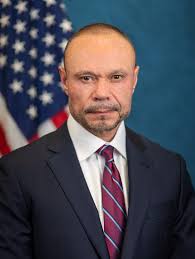
The Maine Democratic Senate primary has become one of the most closely watched political contests in the United States, and much of the attention now centers on a growing series of controversies involving Democratic candidate Graham Platner. What was once viewed as a promising campaign aimed at unseating long-time Republican Senator Susan Collins has transformed into a political drama filled with allegations, internal party divisions, and concerns about electability.
As Maine voters prepare to make a crucial decision, Platner remains a leading figure in the race despite a wave of damaging headlines. Supporters argue that he represents a fresh political voice capable of energizing voters, while critics contend that the mounting scandals could jeopardize Democratic hopes in a race that may play a role in determining control of the U.S. Senate.
Why the Maine Senate Race Matters

The 2026 Maine Senate race is attracting national attention because it is considered one of the most competitive contests in the country. Republicans are defending an important seat currently held by Senator Susan Collins, while Democrats see a rare opportunity to make gains in a politically divided state.
Maine’s independent-minded electorate has a history of surprising political observers. While Collins has repeatedly demonstrated strong electoral appeal, Democrats believe changing political dynamics could create an opening. That possibility helped elevate Graham Platner from a relatively unknown candidate into a national political figure.
However, the emergence of multiple controversies has complicated the Democratic Party’s strategy and raised serious questions about the campaign’s future.
Who Is Graham Platner?
Graham Platner is a Marine Corps veteran, oyster farmer, and harbor master from Maine who built his campaign around populist themes and progressive policy proposals.
His outsider image resonated with many voters frustrated by traditional politics. Platner attracted grassroots enthusiasm and gained support from progressive activists who viewed him as a candidate capable of challenging establishment politics.
His campaign emphasized issues such as:
- Affordable healthcare
- Economic opportunity
- Rural development
- Veterans’ issues
- Political reform
These positions helped him gain momentum and emerge as a frontrunner in the Democratic primary.
Yet as his profile increased, so did scrutiny of his personal history and past conduct.
The Scandals That Changed the Race
The controversy surrounding Platner stems from several separate allegations and incidents that surfaced during the campaign.
Allegations from Former Partners
One of the most significant challenges facing the campaign involves allegations from former romantic partners regarding past behavior.
Reports have highlighted claims of emotional abuse, intimidation, and toxic relationship dynamics. These allegations quickly became a central topic of discussion within Democratic circles and among political observers.
Platner has denied accusations of physical abuse and has argued that some allegations are politically motivated. Nevertheless, the claims have generated intense media coverage and sparked debate about whether the Democratic Party adequately vetted its leading candidate.
The allegations have also prompted concerns among voters who believe character and personal conduct should play an important role in evaluating candidates for public office.
Controversial Messages and Online Conduct
Additional scrutiny emerged after reports revealed that Platner had sent explicit messages to women during his marriage.
Critics argue that the revelations raise concerns about judgment and personal accountability. The controversy intensified because it came at a time when Democrats were emphasizing ethical leadership and responsible conduct in public life.
While Platner has acknowledged mistakes and expressed regret for aspects of his past behavior, opponents continue to highlight the issue as evidence of a broader pattern of questionable decision-making.
The controversy has become a recurring theme in political debates and campaign discussions throughout Maine.
Tattoo Controversy Sparks National Attention
Another issue that generated widespread coverage involved a tattoo that critics linked to Nazi symbolism.
The tattoo became a major news story after photographs and videos circulated online. Platner responded by stating that he was unaware of the symbol’s historical significance when he received the tattoo and later took steps to cover it.
Despite his explanation, the incident created additional political challenges.
Opponents questioned how such a tattoo could have gone unnoticed during the early stages of the campaign, while supporters argued that the candidate had already addressed the issue and taken responsibility.
The controversy quickly expanded beyond Maine and became part of a broader national conversation about candidate vetting and accountability.
Democratic Party Divisions Deepen
The scandals have exposed significant divisions within the Democratic Party.
Some party leaders continue to support Platner, arguing that voters should focus primarily on policy positions and future leadership rather than past mistakes.
Others worry that the ongoing controversies could weaken Democratic chances in the general election.
Several prominent Democrats have publicly expressed discomfort with the allegations while stopping short of calling for Platner to withdraw from the race.
This balancing act reflects a difficult political reality. Party leaders want to maintain unity while also addressing concerns raised by voters and advocacy groups.
The result has been growing tension inside Democratic ranks.
Supporters Stand Firm
Despite the controversies, Platner continues to maintain a dedicated base of supporters.
Many backers point to his military service, personal struggles, and willingness to acknowledge mistakes as evidence of growth and resilience.
Supporters argue that voters are capable of distinguishing between past misconduct and present leadership potential.
At campaign events, many attendees have remained focused on policy discussions rather than personal controversies.
This continued support demonstrates that while the scandals have created challenges, they have not completely undermined Platner’s political appeal.
Critics Warn of General Election Risks
Political analysts note that the Democratic primary is only the first hurdle.
Even if Platner secures the nomination, Democrats must consider whether the controversies could become a major liability in a general election against Susan Collins.
Collins has built a reputation as a moderate Republican with a history of winning difficult races.
Republicans are expected to use the allegations and controversies aggressively if Platner becomes the Democratic nominee.
Some Democratic strategists fear that continued revelations could distract from policy issues and allow Republicans to shift the campaign narrative away from economic and legislative concerns.
These fears have fueled ongoing discussions about electability.
How Voters Are Responding
The response among Maine voters appears mixed.
Some voters view the allegations as deeply troubling and believe they should influence electoral decisions.
Others argue that the political process should allow room for redemption, particularly when candidates acknowledge past mistakes and demonstrate personal growth.
This divide reflects broader national debates about accountability, forgiveness, and the standards voters apply to political leaders.
The primary election will provide an important test of how voters balance these competing considerations.
Impact on the Democratic Campaign Strategy
The controversies have forced Democrats to adjust their messaging.
Instead of focusing exclusively on policy differences with Senator Collins, much of the conversation has centered on Platner himself.
Campaign resources that might otherwise have been used for voter outreach and issue advocacy have been redirected toward damage control and crisis management.
Political observers note that such shifts can be costly, particularly in highly competitive races where every message matters.
The challenge for Democrats is finding a way to move the discussion back toward issues that resonate with voters.
National Implications
The significance of the Maine Senate race extends far beyond state borders.
Control of the Senate remains a critical objective for both major political parties.
As a result, developments in Maine are being closely monitored by national organizations, donors, strategists, and political commentators.
If the controversy surrounding Platner continues to dominate headlines, it could influence campaign strategies in other competitive races as well.
The situation serves as a reminder that candidate vetting remains one of the most important aspects of modern political campaigns.
What Happens Next?
The immediate focus is the Democratic primary.
A strong performance by Platner would demonstrate that many voters remain willing to support him despite the controversies.
A weaker-than-expected result could reignite questions about whether the scandals significantly damaged his campaign.
Beyond the primary, attention will shift toward the general election and whether Democrats can unify behind a nominee capable of competing against Susan Collins.
The coming weeks may prove decisive in determining the future of the race.
Conclusion
The Graham Platner scandals have transformed Maine’s Democratic Senate primary into one of the most dramatic political contests of 2026. Allegations involving former relationships, controversial messages, online activity, and a tattoo controversy have generated intense scrutiny and sparked divisions within the Democratic Party.
Yet despite the turmoil, Platner remains a significant political force with a loyal base of supporters and substantial national attention.
As voters head to the polls, they face a decision that goes beyond policy preferences. The election has become a test of accountability, redemption, and political judgment.
The outcome will not only shape Maine’s political future but could also influence the broader battle for control of the United States Senate.
About the Author