Iran Halts Attacks On Israel: Overnight Strikes Give Way To Ceasefire Push
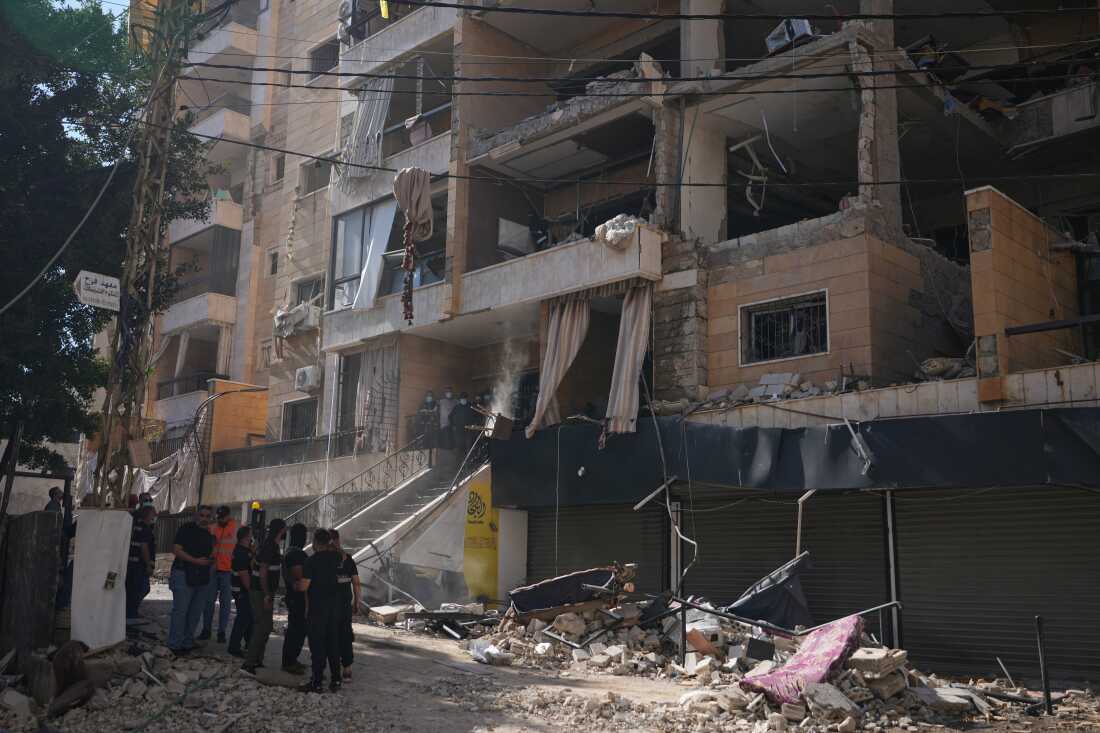
Lebanese security officers gather at the site where an Israeli airstrike hit a building in Dahiyeh, Beirut's southern suburb, Lebanon, Sunday, June 7, 2026. (AP Photo/Hassan Ammar)
Following the overnight exchanges, Iranian officials announced that military operations against Israel were ending. Tehran stated that it had delivered its response and was now halting the current phase of military action. However, officials also warned that future attacks could occur if new strikes were launched against Iranian interests.
Iran characterized its actions as a response to earlier developments and signaled that it remained prepared for further confrontation if necessary. Nevertheless, the decision to stop active attacks was widely interpreted as a step toward de-escalation.
The announcement helped calm immediate fears of an expanding conflict, although regional tensions remain elevated. Security analysts emphasize that a pause in attacks does not automatically translate into a durable peace agreement.
Israel Responds Amid Ongoing Security Concerns
Israel maintained a high level of military readiness throughout the crisis. Officials reiterated their commitment to protecting national security and responding to threats as they arise. Israeli defense systems reportedly intercepted incoming projectiles during the exchange, reducing the potential impact on civilian areas.
At the same time, Israeli leaders faced increasing international pressure to avoid actions that could trigger another cycle of escalation. Observers noted that the latest confrontation highlighted the delicate balance between military deterrence and diplomatic restraint.
The pause in hostilities offers Israel an opportunity to reassess its strategy while diplomatic negotiations continue behind the scenes. However, officials remain cautious given the history of rapidly changing conditions in the region.
Ceasefire Push Gains Momentum
One of the most significant aspects of the latest developments is the renewed push for a ceasefire. International mediators and political leaders have intensified efforts to prevent a return to full-scale conflict. Statements from multiple sources indicate that negotiations are continuing, with hopes that a broader understanding can be reached.
Diplomatic efforts reportedly accelerated after the overnight strikes raised alarm among regional allies and global powers. The prospect of another major military confrontation prompted urgent calls for restraint from governments around the world.
While no permanent settlement has been announced, the willingness of both sides to halt immediate attacks has been viewed as a positive sign. Diplomatic observers stress that sustained engagement will be necessary to transform the current pause into a lasting agreement.
International Reactions To The Crisis
The international community responded quickly to the renewed hostilities. Governments, international organizations, and regional partners expressed concern about the possibility of a wider conflict that could destabilize the Middle East and affect global markets.
Calls for restraint came from multiple directions, reflecting the widespread recognition that further escalation could have serious humanitarian, economic, and security consequences. Diplomatic channels remained active throughout the crisis as leaders sought ways to reduce tensions.
Energy markets also paid close attention to developments, given the strategic importance of the region to global oil supplies and international trade routes. Any prolonged conflict could have significant economic implications far beyond the Middle East.
Impact On Regional Stability
The latest confrontation underscores the fragile nature of regional stability. Despite periods of reduced violence, underlying tensions remain unresolved. Security experts warn that even limited military exchanges can rapidly evolve into larger conflicts if diplomatic mechanisms fail.
Several factors contribute to the ongoing instability, including longstanding political disputes, competing security interests, and the involvement of multiple regional actors. These complexities make it difficult to achieve lasting peace through short-term agreements alone.
The temporary halt in attacks may provide an opportunity for broader discussions aimed at reducing future risks. However, achieving meaningful progress will require sustained commitment from all parties involved.
Economic Consequences Of Escalation
Financial markets reacted nervously to reports of renewed hostilities. Investors closely monitored developments as concerns grew about disruptions to energy supplies and international shipping routes. Oil prices experienced volatility as traders assessed the potential impact of an expanding conflict.
The Middle East remains central to global energy markets, making regional stability a critical economic issue. Any threat to major transportation routes or production facilities can influence prices worldwide.
Although the current pause in fighting has eased some immediate concerns, market participants continue to watch the situation closely. Future developments could still affect energy prices, trade flows, and broader economic conditions.
The Role Of Diplomacy Going Forward
Diplomacy is likely to play a decisive role in determining whether the current pause evolves into a more durable peace arrangement. Negotiators face the challenge of addressing immediate security concerns while also tackling deeper issues that have fueled tensions for years.
Successful diplomacy will require trust-building measures, consistent communication, and a willingness to compromise. Observers note that previous ceasefires have often struggled because underlying disagreements remained unresolved.
Nevertheless, the decision by Iran to halt attacks and the broader push for restraint have created a window of opportunity. Whether that opportunity leads to meaningful progress remains one of the most important questions facing the region today.
What Happens Next?
The coming days will be critical. Both Iran and Israel must decide whether to maintain restraint or return to military action. International mediators are expected to continue their efforts to preserve calm and encourage further negotiations.
Much will depend on developments on the ground and the willingness of leaders to prioritize diplomacy over confrontation. Any new military incident could quickly reverse recent progress, while continued restraint could strengthen the prospects for a more stable ceasefire.
For now, the halt in attacks represents a significant, though potentially temporary, step away from escalation. The situation remains fluid, and the world will be watching closely to see whether this ceasefire push can succeed.
Conclusion
Iran’s decision to halt attacks on Israel following overnight strikes has provided a measure of relief amid fears of a broader regional conflict. While tensions remain high, the pause in hostilities has created an opening for renewed diplomatic efforts and ceasefire negotiations. The coming weeks will determine whether this moment becomes the foundation for greater stability or simply another pause in a long-running cycle of confrontation. For now, the focus remains firmly on diplomacy, restraint, and the pursuit of a sustainable peace.
FAQs
Why did Iran halt attacks on Israel?
Iran announced that it was ending its latest military operation after carrying out what it described as a response to recent events. Officials also warned that future action could occur if tensions escalate again.
Did Israel and Iran agree to a ceasefire?
Reports indicate that both sides have paused attacks for now, while diplomatic efforts continue to push for a broader ceasefire arrangement.
What triggered the latest escalation?
The confrontation followed military actions and retaliatory responses that marked the most serious tensions since the earlier ceasefire.
Could the conflict start again?
Yes. Although attacks have paused, officials and analysts caution that tensions remain high and future incidents could reignite hostilities.
How does this affect global markets?
Regional instability can impact oil prices, shipping routes, and investor confidence because of the Middle East’s importance to global energy supplies.
How useful was this post?
Click on a star to rate it!
Average rating 0 / 5. Vote count: 0
No votes so far! Be the first to rate this post.
About the Author

usa5911.com
Administrator
Hi, I’m Gurdeep Singh, a professional content writer from India with over 3 years of experience in the field. I specialize in covering U.S. politics, delivering timely and engaging content tailored specifically for an American audience. Along with my dedicated team, we track and report on all the latest political trends, news, and in-depth analysis shaping the United States today. Our goal is to provide clear, factual, and compelling content that keeps readers informed and engaged with the ever-changing political landscape.