Operation Midnight Hammer: F-16 Pilots Reveal Mission Details, Military Precision Strike Draws Global Attention
Operation Midnight Hammer has once again become a major topic of global discussion after new details emerged about the role of U.S. Air Force F-16 pilots during the high-profile military mission. The operation, which targeted Iranian nuclear facilities in June 2025, was already considered one of the most significant American air campaigns in recent years. However, recently released award citations and military reports have provided a closer look at what happened inside the cockpit and the extraordinary challenges faced by the pilots involved.
The newly disclosed information highlights how six F-16 pilots flew deep into heavily defended airspace, protected strategic bombers, suppressed enemy air defenses, and returned with dangerously low fuel levels. Their actions have drawn praise from military leaders and aviation experts, while also sparking renewed debate about modern air warfare, precision strikes, and the future of military deterrence.
As global tensions continue to influence security policies around the world, Operation Midnight Hammer is increasingly viewed as a case study in military planning, technological coordination, and operational execution.
What Was Operation Midnight Hammer?
Operation Midnight Hammer was the codename given to the U.S. military strike against several Iranian nuclear facilities in June 2025. The mission involved a massive force package that included stealth bombers, fighter aircraft, refueling tankers, intelligence assets, and naval support. More than 125 aircraft reportedly participated in the operation.
The primary targets included nuclear facilities located at Fordow, Natanz, and Isfahan. According to military briefings, the objective was to significantly degrade Iran’s nuclear infrastructure through a carefully coordinated precision strike operation.
The operation gained immediate international attention because it represented one of the most complex long-range strike missions conducted by the United States in recent years.
Why the F-16 Pilots Are Now Making Headlines
While much of the early coverage focused on the B-2 stealth bombers that delivered the primary strike package, recent disclosures have shifted attention toward the F-16 pilots who played a critical supporting role.
Six pilots from the 55th Fighter Squadron were awarded the Distinguished Flying Cross for their actions during the mission. Military officials stated that these aviators conducted high-risk flights into heavily defended airspace and directly contributed to the success of the operation.
The pilots honored included:
- Lt. Col. Christopher Beckett
- Maj. Matthew Croghan
- Maj. Alexander Trembly
- Capt. Abigail Maio
- Capt. Megan Langas
- Capt. Daniel Dodson
According to Air Force statements, their mission involved escorting bombers, engaging threats, and ensuring the strike package safely entered and exited contested airspace.
Entering Heavily Defended Airspace
One of the most remarkable aspects of Operation Midnight Hammer was the decision to send non-stealth F-16 aircraft deep into Iranian territory.
Unlike advanced stealth platforms designed to minimize radar detection, the F-16 Fighting Falcon is a fourth-generation fighter that remains highly visible to modern radar systems. Military analysts have noted that flying such aircraft into a sophisticated air defense network presents substantial risks.
Award documents indicate that the pilots flew nearly 300 miles into defended airspace while conducting suppression of enemy air defenses (SEAD) missions. Their role was to identify and neutralize threats that could endanger the bomber force.
The mission required exceptional situational awareness, rapid decision-making, and precise coordination with other aircraft participating in the operation.
Suppression of Enemy Air Defenses
A key objective for the F-16 crews was suppressing hostile radar and missile systems.
Reports indicate that the pilots employed AGM-88 High-Speed Anti-Radiation Missiles (HARMs), weapons specifically designed to locate and destroy enemy radar installations. By targeting these systems, the fighters created safer pathways for the bombers approaching their objectives.
SEAD missions are among the most dangerous assignments in modern air combat because pilots intentionally move toward enemy radar emissions rather than away from them. The success of these missions often determines whether larger strike packages can operate safely.
Military experts have pointed out that without effective suppression of enemy air defenses, even advanced stealth aircraft can face increased operational risks.
The Challenge of Fuel Management
Perhaps the most dramatic revelation from recently released documents concerns the fuel challenges encountered during the operation.
According to reports, the pilots faced unexpected air-refueling disruptions shortly after takeoff. Changes in tanker availability forced crews to adapt in real time, creating significant logistical challenges before they even reached the target area.
Several pilots reportedly conducted aerial refueling at speeds beyond what had previously been performed in the F-16. These adjustments were necessary to keep the strike package on schedule and maintain sufficient combat power for the mission.
As the aircraft exited Iranian airspace, fuel reserves became critically low. Some pilots reached refueling tankers with almost no margin for error, while others reportedly had to divert to alternate locations due to tanker-related complications.
These details have attracted significant attention because they reveal the often-overlooked logistical challenges behind successful military operations.
The Role of the B-2 Bombers
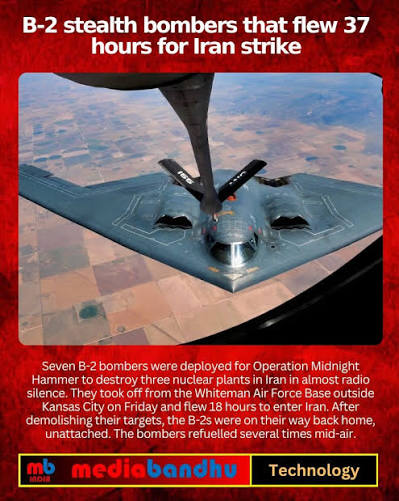
While the F-16 pilots handled escort and defense suppression responsibilities, B-2 Spirit stealth bombers carried out the primary strike mission.
The bombers flew an exceptionally long-range mission and delivered powerful bunker-busting weapons against hardened underground facilities. Military officials described the operation as one of the largest B-2 combat missions ever conducted.
According to Pentagon briefings, the bombers successfully reached their targets with support from multiple fighter aircraft and refueling assets. The integration of stealth bombers with escort fighters demonstrated the importance of joint-force coordination in modern warfare.
Operation Midnight Hammer showcased how different aircraft types can work together to achieve strategic objectives.
Planning Behind the Mission
Military officials have indicated that planning for Operation Midnight Hammer was extensive and intensive.
Pilots involved in the operation described spending long hours preparing mission routes, contingency plans, refueling schedules, and threat assessments. According to Air Force accounts, crews were placed on standby as tensions escalated before eventually receiving authorization to execute the mission.
Complex operations of this nature require coordination among multiple commands, intelligence agencies, and support units. Every aircraft movement must be timed precisely to avoid conflicts and maximize effectiveness.
The planning process reportedly included extensive scenario analysis to prepare for a range of potential outcomes.
Why Military Experts Are Paying Attention
Defense analysts view Operation Midnight Hammer as a significant example of modern airpower in action.
Several aspects of the mission stand out:
Long-Range Precision Strike
The operation demonstrated the ability of U.S. forces to conduct highly coordinated attacks over long distances while maintaining operational secrecy.
Joint Force Integration
The mission combined bombers, fighters, tankers, intelligence assets, and naval platforms into a single coordinated operation.
Risk Management
The fuel challenges experienced during the mission highlight the importance of logistics and contingency planning in military operations.
Air Defense Suppression
The successful suppression of enemy air defenses reinforced the value of specialized fighter units and SEAD capabilities.
Global Reaction to Operation Midnight Hammer
International reaction to the operation was mixed.
Some governments and security experts viewed the strikes as a necessary effort to disrupt nuclear development activities and strengthen regional deterrence. Others expressed concern that the operation could contribute to increased tensions and potential escalation.
The mission also sparked discussions about international security, military intervention, and the balance between deterrence and diplomacy.
Regardless of political perspectives, most observers agreed that the operation represented a significant demonstration of military capability and planning.
Distinguished Flying Cross Recognition
The Distinguished Flying Cross is one of the most respected awards in U.S. military aviation.
The six F-16 pilots honored for their participation in Operation Midnight Hammer received recognition for heroism and extraordinary achievement during flight operations. Military leaders emphasized that the success of the mission depended heavily on the actions of these aviators.
Air Combat Command officials noted that the pilots conducted high-risk missions under challenging conditions while ensuring the safety of the larger strike force.
Their recognition has helped bring broader public attention to the often unseen responsibilities of fighter pilots operating in combat environments.
Lessons Learned From Operation Midnight Hammer
The operation provides several important lessons for future military planning:
Logistics Matter
Fuel shortages and tanker availability can influence mission success just as much as combat performance.
Coordination Is Essential
Large-scale operations require seamless integration among numerous aircraft and support systems.
Adaptability Saves Missions
Pilots and commanders must be prepared to adjust plans when unexpected complications arise.
Training Remains Critical
The ability of pilots to respond effectively under pressure highlights the value of extensive training and preparation.
The Lasting Impact of Operation Midnight Hammer
Nearly a year after the mission, Operation Midnight Hammer continues to attract attention because it combined advanced technology, strategic planning, and individual courage.
The newly released details regarding the F-16 pilots have added a human dimension to the story. Beyond the aircraft and weapons systems, the operation depended on highly trained individuals making critical decisions under extreme pressure.
As military organizations around the world study the mission, Operation Midnight Hammer is likely to remain a key example of modern airpower and precision-strike doctrine for years to come.
Conclusion
Operation Midnight Hammer stands as one of the most closely examined military operations of recent years. New revelations about the F-16 pilots involved have highlighted the extraordinary risks, technical challenges, and strategic importance of their mission.
From suppressing enemy air defenses to managing critical fuel shortages and protecting bomber formations, these pilots played a pivotal role in ensuring the operation’s success. Their Distinguished Flying Cross awards reflect not only individual bravery but also the broader effectiveness of coordinated military planning.
As global attention remains focused on military readiness and strategic deterrence, Operation Midnight Hammer continues to serve as a powerful example of how modern air forces execute complex precision-strike missions in contested environments.
Frequently Asked Questions (FAQs)
What was Operation Midnight Hammer?
Operation Midnight Hammer was a U.S. military operation conducted in June 2025 that targeted Iranian nuclear facilities using a large force of aircraft and support assets.
Why are F-16 pilots receiving attention now?
Recently released military award citations revealed new details about the risks and challenges faced by six F-16 pilots during the mission.
What role did the F-16s play?
The F-16 pilots conducted suppression of enemy air defenses, escorted bombers, and protected the strike package while operating deep inside contested airspace.
What awards did the pilots receive?
Six pilots from the 55th Fighter Squadron received the Distinguished Flying Cross for heroism and extraordinary achievement during the operation.
Why was fuel management such a major issue?
Unexpected air-refueling complications and tanker availability problems left some aircraft critically low on fuel during the mission.
How many aircraft participated in Operation Midnight Hammer?
Reports indicate that more than 125 aircraft participated in the operation, including bombers, fighters, tankers, and support assets.
What makes Operation Midnight Hammer significant?
The operation demonstrated long-range precision-strike capability, advanced military coordination, and the importance of air superiority and logistics in modern warfare.
How useful was this post?
Click on a star to rate it!
Average rating 0 / 5. Vote count: 0
No votes so far! Be the first to rate this post.
About the Author

usa5911.com
Administrator
Hi, I’m Gurdeep Singh, a professional content writer from India with over 3 years of experience in the field. I specialize in covering U.S. politics, delivering timely and engaging content tailored specifically for an American audience. Along with my dedicated team, we track and report on all the latest political trends, news, and in-depth analysis shaping the United States today. Our goal is to provide clear, factual, and compelling content that keeps readers informed and engaged with the ever-changing political landscape.